Waking up in the middle of the night can be surprisingly frustrating.
You go to bed feeling tired, fall asleep normally, and then suddenly find yourself staring at the ceiling at 2 or 3 AM. You may check the clock, turn over, close your eyes, and try to fall back asleep.
Sometimes you do.
Other times, your mind becomes completely awake.
If this happens occasionally, it usually isn't a reason for concern. Sleep naturally occurs in cycles, and brief awakenings are normal. But if you're waking up around the same time almost every night and struggling to return to sleep, something about your sleep, lifestyle, environment, or health may be contributing.
Importantly, there is no scientific rule that waking specifically between 2 and 3 AM means your liver, kidneys, or another particular organ is "detoxing." Those claims are common online but aren't supported by established sleep physiology.
Instead, the timing may simply reflect where you are in your normal sleep cycles or when a particular trigger is most likely to interrupt your sleep.
Here are some common reasons it may be happening.
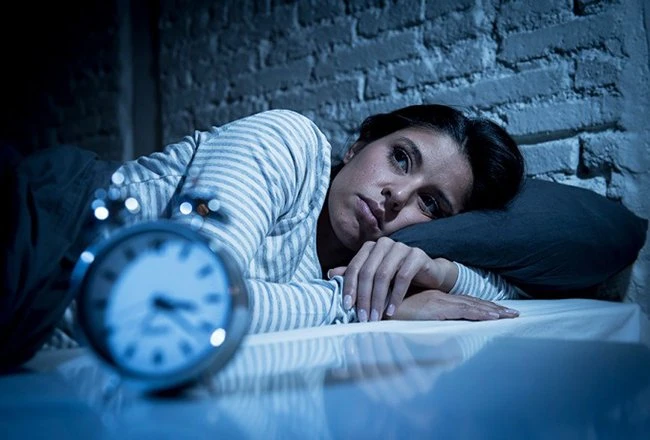
1. Your Sleep Cycles May Simply Be Bringing You to a Lighter Stage of Sleep
Sleep isn't one continuous state.
Throughout the night, your brain moves through repeated cycles involving non-REM and REM sleep. Earlier in the night, deeper non-REM sleep tends to make up a larger proportion of the night. As morning approaches, lighter sleep and REM periods generally become more prominent.
During lighter stages of sleep, you're easier to wake.
This means a small disturbance that wouldn't wake you during deep sleep may wake you later in the night.
You might briefly wake because of:
-
A noise
-
Temperature changes
-
Your partner moving
-
A dream
-
Needing to change position
-
A full bladder
-
Light entering the room
Sometimes you don't even remember waking.
If you happen to look at the clock during one of these natural awakenings, you may start noticing a pattern around 2 or 3 AM.
That doesn't necessarily mean something is wrong with your body.
2. Stress and Anxiety Can Keep Your Brain Alert
One of the most common reasons people wake up in the middle of the night is psychological arousal.
You may fall asleep easily because you're physically exhausted, only to wake several hours later when your brain becomes more alert.
Suddenly, thoughts begin racing:
"What if I miss that deadline?"
"Did I send that email?"
"How am I going to pay that bill?"
"What do I need to do tomorrow?"
This can create a frustrating cycle.
You wake up → start worrying about being awake → become more alert → struggle to sleep → become more frustrated → become even more awake.
Stress doesn't have to feel dramatic to affect sleep.
Work pressure, relationship problems, financial concerns, major life changes, or simply having too much on your mind can influence sleep quality.
What may help
Rather than trying to force yourself to sleep, create a calmer transition into bedtime.
Consider:
-
Writing tomorrow's tasks down before bed
-
Limiting stressful work late at night
-
Practicing slow breathing
-
Keeping your bedroom dark and quiet
-
Avoiding checking the time repeatedly
The goal is to reduce the amount of mental stimulation surrounding bedtime.
3. Alcohol May Be Interrupting Your Sleep
Some people believe alcohol helps them sleep because it can make them feel relaxed and sleepy initially.
But falling asleep quickly isn't the same as getting good-quality sleep.
Alcohol can alter normal sleep architecture and may contribute to awakenings later in the night as its effects change.
You may therefore fall asleep easily after drinking but wake several hours later.
Alcohol can also worsen:
-
Snoring
-
Sleep apnea
-
Reflux
-
Dehydration
-
Nighttime urination
If you repeatedly wake around the same time after drinking alcohol in the evening, the timing may not be a coincidence.
Try observing whether your sleep changes on nights when you don't drink.
4. Caffeine From Earlier in the Day May Still Be Affecting You
Caffeine can remain in the body for hours.
Its effects vary considerably from person to person, but some people are particularly sensitive.
Coffee isn't the only source.
Caffeine can also be found in:
-
Tea
-
Energy drinks
-
Cola
-
Chocolate
-
Pre-workout products
-
Certain medications
Even if you fall asleep normally, caffeine may reduce sleep quality or make you more likely to wake during the night.
If you're waking regularly at 2 or 3 AM, consider looking at not just your evening routine but also your total caffeine intake and timing throughout the day.
5. Your Blood Sugar May Be Contributing—But Don't Assume It Is
Blood glucose changes can affect sleep in certain circumstances.
For people with diabetes or those taking glucose-lowering medications, nighttime hypoglycemia can sometimes cause sweating, shakiness, confusion, nightmares, or awakening.
High blood glucose can also contribute to increased thirst and urination, which can interrupt sleep.
However, waking at 2 or 3 AM by itself is not evidence that your blood sugar is too high or too low.
If nighttime awakenings occur alongside:
-
Excessive thirst
-
Frequent urination
-
Sweating
-
Shaking
-
Confusion
-
Unexplained weight changes
discuss the symptoms with a healthcare professional, particularly if you have diabetes or take medication that affects blood glucose.
6. You May Be Drinking Too Much Fluid Before Bed
Sometimes the explanation is much simpler.
Your bladder may be waking you up.
Drinking a large amount of water shortly before bedtime can increase the likelihood of nighttime urination.
Alcohol and caffeine may contribute as well because they can influence urine production or sleep quality.
If you're repeatedly waking to use the bathroom, consider shifting more of your fluid intake toward earlier in the day while still maintaining adequate hydration.
Don't severely restrict fluids simply to avoid waking up.
7. Your Bedroom May Be Too Hot, Cold, Bright, or Noisy
Your sleeping environment can have a surprisingly large effect on sleep continuity.
Even if you don't consciously notice environmental disturbances, your brain can respond to them.
Potential sleep disruptors include:
-
Street noise
-
A partner snoring
-
Pets moving around
-
Temperature fluctuations
-
Bright electronic displays
-
Outdoor lighting
-
An uncomfortable mattress
-
Excessive blankets
-
Dry or stuffy air
If you consistently wake around the same time, think about what changes in your environment during those hours.
For example, a room may become warmer overnight as heating systems cycle, or early-morning traffic may gradually increase.
Simple environmental changes can sometimes make a meaningful difference.
8. Acid Reflux May Be Waking You Up
Gastroesophageal reflux can become more noticeable when you're lying down.
You don't always experience obvious heartburn.
Some people instead notice:
-
Sour taste
-
Throat irritation
-
Coughing
-
Hoarseness
-
Chest discomfort
-
A sensation of something in the throat
Eating a large meal shortly before going to bed can make symptoms worse for some people.
If nighttime awakenings frequently occur after heavy or late dinners, reflux may be worth considering.
9. Sleep Apnea Can Cause Repeated Nighttime Awakenings
Sleep apnea is an important cause of disrupted sleep that often goes unnoticed.
During obstructive sleep apnea, the upper airway repeatedly becomes blocked or narrowed during sleep. The brain may briefly wake the person to restore normal breathing.
Many people don't remember these awakenings.
Possible clues include:
-
Loud snoring
-
Gasping during sleep
-
Choking sensations at night
-
Morning headaches
-
Dry mouth
-
Excessive daytime sleepiness
-
Difficulty concentrating
-
High blood pressure
If a partner tells you that you stop breathing or gasp during sleep, don't ignore it.
Sleep apnea can affect sleep quality and overall health, and it can be evaluated through a medical assessment and, when appropriate, a sleep study.

10. Hormonal Changes Can Affect Sleep
Hormonal fluctuations can influence sleep at different stages of life.