For example, during perimenopause and menopause, changes in estrogen and other hormones can contribute to:
-
Hot flashes
-
Night sweats
-
Difficulty staying asleep
-
Increased nighttime awakenings
Other hormonal or metabolic conditions can also affect sleep.
If your sleep problems appear alongside major changes in body temperature, menstrual patterns, mood, weight, or energy, it may be worth discussing the broader pattern with a healthcare professional.
11. Your Sleep Schedule May Be Working Against You
Your circadian rhythm helps regulate when you feel awake and sleepy.
If your schedule changes constantly, your internal clock can become misaligned with your desired sleep time.
This can happen when you:
-
Go to bed at very different times
-
Sleep late on weekends
-
Work rotating shifts
-
Travel frequently
-
Take long daytime naps
-
Spend very little time outdoors during the day
Consistency can help.
Try maintaining a relatively stable wake-up time every day, including weekends.
Morning exposure to natural light can also help reinforce your body's day-night rhythm.
12. Depression Can Sometimes Cause Early-Morning Awakening
Sleep and mental health are closely connected.
Depression can affect sleep in different ways.
Some people sleep much more than usual.
Others have difficulty falling asleep, staying asleep, or may wake unusually early and struggle to return to sleep.
If nighttime awakening is accompanied by persistent:
-
Sadness
-
Loss of interest
-
Hopelessness
-
Low energy
-
Changes in appetite
-
Difficulty concentrating
-
Feelings of worthlessness
consider discussing these symptoms with a healthcare professional.
Treating the underlying condition can sometimes improve sleep as well.
13. Certain Medications Can Affect Sleep
Some medications can cause insomnia or nighttime awakening as a side effect.
Examples can include certain:
-
Decongestants
-
Steroids
-
Asthma medications
-
Stimulants
-
Antidepressants
-
Blood pressure medications
-
Thyroid medications
The effect depends on the specific medication and individual.
If your nighttime awakenings began after starting a new medication or changing the dose, talk to your healthcare professional or pharmacist.
Don't stop prescription medication on your own.
Sometimes simply changing the timing of a medication under professional guidance can help.
14. Aging Can Change Your Sleep Pattern
Sleep often changes as people get older.
Older adults may spend less time in deep sleep and may awaken more easily during the night.
They may also experience changes related to:
-
Medications
-
Pain
-
Urinary symptoms
-
Sleep apnea
-
Menopause
-
Chronic medical conditions
-
Changes in circadian rhythm
Waking briefly during the night can therefore become more common with age.
However, frequent awakenings that leave you exhausted during the day should not simply be dismissed as "normal aging."
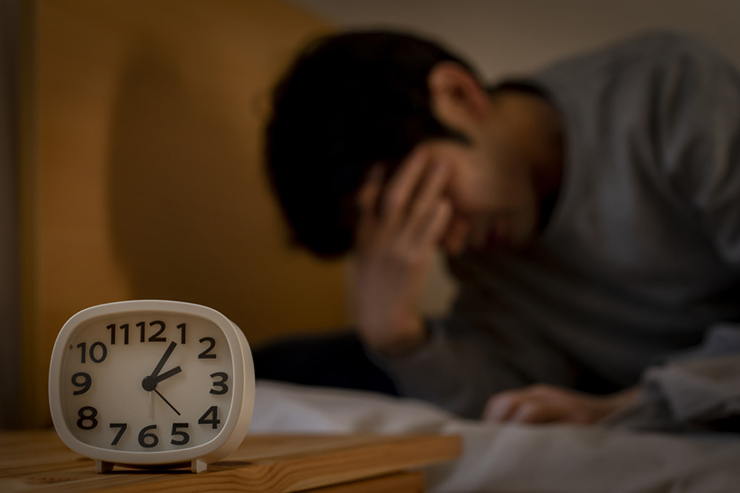
Why Checking the Clock Can Make Things Worse
There's an interesting psychological effect that can happen when people wake during the night.
You look at the clock.
It's 2:17 AM.
You think:
"I only have four hours left."
Then you check again.
2:42 AM.
Now you're calculating how much sleep you're losing.
This can increase anxiety and make it harder to fall asleep.
Instead of repeatedly checking the time, consider turning the clock away from your direct view.
If you wake briefly and feel calm, simply return your attention to resting.
What Should You Do If You Wake Up at 2 or 3 AM?
First, don't panic.
A single awakening isn't necessarily a problem.
If you wake and feel sleepy, remain in bed and allow yourself to relax.
Try:
-
Slow, comfortable breathing
-
Relaxing your muscles progressively
-
Keeping the room dark
-
Avoiding your phone
-
Avoiding bright lights
-
Not checking the clock repeatedly
If you've been awake for a while and are becoming frustrated, getting out of bed and doing something quiet in dim light can sometimes be better than lying there worrying about sleep.
Return to bed when you feel sleepy again.
What You Should Avoid
When you wake in the middle of the night, certain habits can make the problem worse.
Don't scroll through social media
Bright light and stimulating content can make your brain more alert.
Don't start working
Checking emails or responding to messages can quickly turn a nighttime awakening into an active work session.
Don't eat a large meal
Unless hunger is genuinely keeping you awake, a large late-night meal can worsen reflux and disrupt sleep.
Don't repeatedly check the clock
It can increase anxiety about sleep loss.
Don't immediately assume something is medically wrong
Occasional nighttime awakening is normal.
The pattern and accompanying symptoms matter more than the specific hour.
When Should You Talk to a Doctor?
Consider seeking professional advice if you're waking up repeatedly and the problem is affecting your daytime life.
Especially pay attention if you experience:
-
Significant daytime sleepiness
-
Loud snoring
-
Gasping or choking during sleep
-
Morning headaches
-
Persistent insomnia
-
Frequent nighttime urination
-
Night sweats
-
Unexplained weight changes
-
Chest pain
-
Significant shortness of breath
-
Persistent anxiety or depression
If you regularly wake at night for weeks or months and cannot identify an obvious cause, a healthcare professional can help determine whether insomnia, sleep apnea, reflux, medication effects, mood disorders, or another condition may be involved.
Keep a Sleep Diary
If nighttime awakening continues, a simple sleep diary can provide useful information.
For one or two weeks, record:
-
Bedtime
-
Approximate time you fall asleep
-
Time you wake during the night
-
How long you remain awake
-
Wake-up time
-
Caffeine consumption
-
Alcohol consumption
-
Exercise
-
Evening meals
-
Medication timing
-
Daytime naps
-
How rested you feel the next day
Patterns may become much easier to identify.
For example, you might discover that the awakenings occur mainly after alcohol, late meals, stressful workdays, or unusually late bedtimes.
The Bottom Line
If you keep waking between 2 and 3 AM, it doesn't necessarily mean that a particular organ is "sending you a warning."
There is no reliable medical rule that the clock tells you which organ is malfunctioning.
More often, repeated nighttime awakening is related to normal sleep cycles, stress, alcohol, caffeine, reflux, nighttime urination, environmental disturbances, hormonal changes, medication effects, sleep apnea, or other sleep-related factors.
The important question isn't simply:
"Why do I wake up at 2 or 3 AM?"
It's:
"Why am I waking repeatedly, and is it affecting my health or daytime functioning?"
If it happens occasionally, you may simply be experiencing a normal brief awakening.
If it happens night after night, leaves you exhausted, or occurs alongside symptoms such as loud snoring, gasping, persistent anxiety, excessive thirst, frequent urination, or other significant changes, it's worth looking beyond the clock and considering the underlying cause.
Your body doesn't follow a simple 2–3 AM organ schedule. But persistent changes in your sleep are still worth paying attention to.