If You See Someone with Bulging Veins, There Are Important Things They Should Know
Bulging veins, especially on the hands, arms, or legs, often catch attention. Some people see them as a sign of strength or fitness, while others worry they may indicate a health problem. The truth is more nuanced. Visible or bulging veins can be completely normal, but in some cases, they may signal that the body needs extra care.
Understanding what bulging veins mean—and when to take them seriously—can help protect long-term vascular and overall health.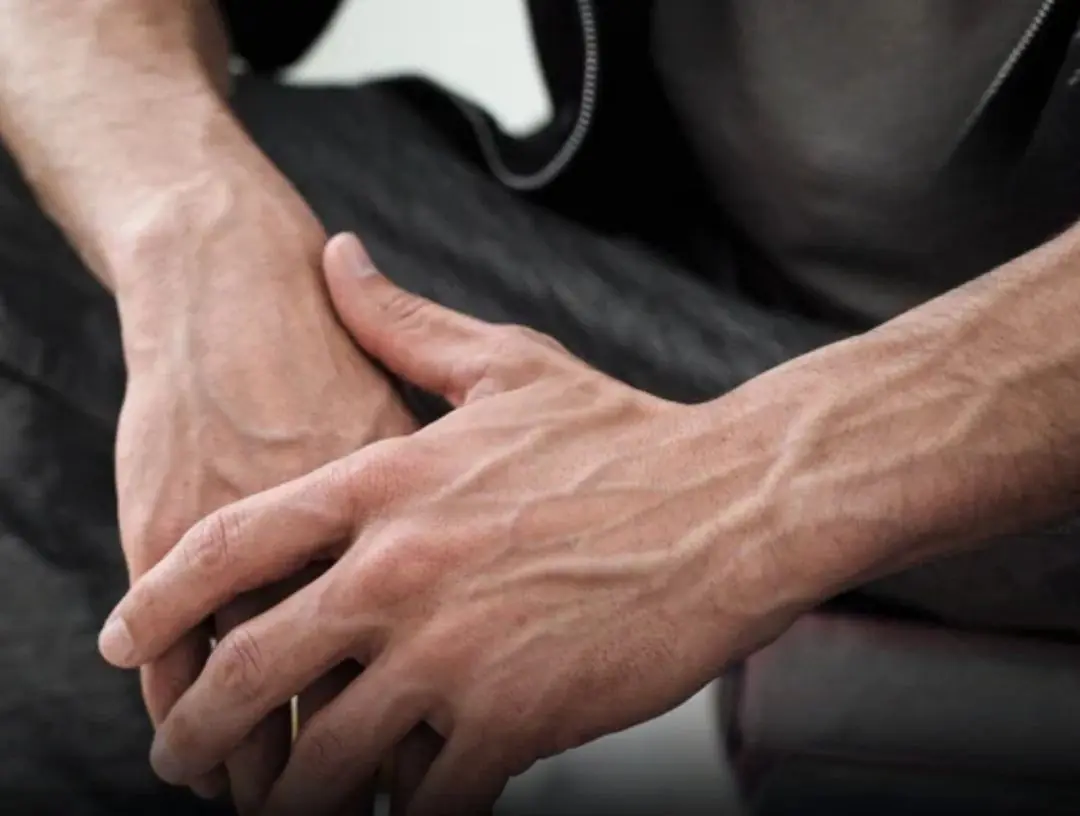
What Causes Veins to Bulge?
Veins become visible when they are closer to the skin’s surface or when blood flow changes. Several common factors can make veins stand out:
Normal and harmless causes include:
-
Low body fat, which makes veins more visible
-
Aging, as skin becomes thinner over time
-
Exercise, especially strength training
-
Heat, which causes veins to expand
In these situations, bulging veins are usually not dangerous and do not require treatment.
When Bulging Veins May Need Attention
While many cases are harmless, persistent or uncomfortable bulging veins may be linked to circulation issues.
Possible warning signs include:
-
Pain, heaviness, or throbbing in the limbs
-
Swelling in the legs or ankles
-
Skin discoloration near the veins
-
Veins that feel hard, warm, or tender
These symptoms can sometimes be associated with poor circulation, vein valve issues, or increased pressure in the veins.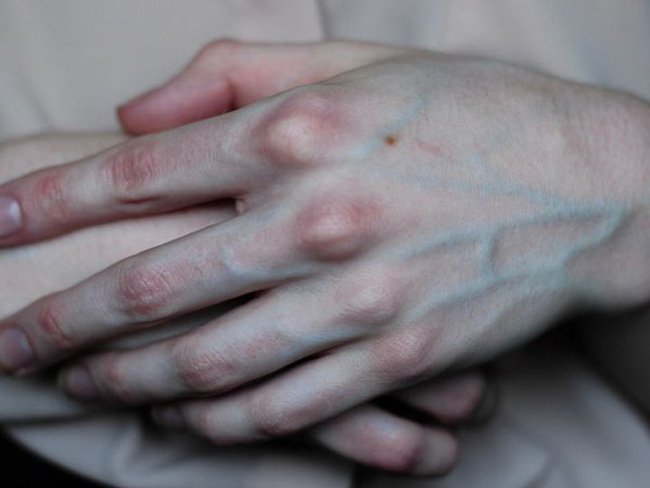
Why Circulation Matters More Than Appearance
Veins play a critical role in returning blood to the heart. When circulation is compromised, blood may pool in the veins, causing them to enlarge.
Poor circulation can contribute to:
-
Fatigue in the limbs
-
Increased inflammation
-
Slower healing
-
Greater strain on the cardiovascular system
That is why bulging veins should not be judged only by appearance. How the body feels matters far more.
Lifestyle Habits That Support Vein Health
If someone has noticeable veins, these habits can help support healthy circulation:
1. Stay Hydrated
Proper hydration keeps blood flowing smoothly and reduces unnecessary pressure on veins.
2. Move Regularly
Walking, stretching, and light exercise encourage blood circulation, especially for people who sit or stand for long periods.
3. Avoid Long Periods of Inactivity
Remaining in one position too long can slow blood flow. Gentle movement every 30–60 minutes can make a big difference.
4. Elevate the Legs When Possible
Elevating the legs helps blood return to the heart and reduces vein pressure in the lower body.
Nutrition and Vein Support
Diet plays an important role in vascular health.
Foods that support healthy veins include:
-
Fruits and vegetables rich in antioxidants
-
Fiber-rich foods to support circulation
-
Healthy fats that help reduce inflammation
Excess salt, highly processed foods, and dehydration can contribute to fluid retention and vein stress.
Exercise: Helpful, But Balance Is Key
Exercise is generally beneficial for circulation, but overtraining or excessive strain can temporarily increase vein visibility.
Strength training often makes veins more prominent due to increased blood flow and muscle engagement. This effect is usually temporary and not harmful. However, pain or persistent swelling should not be ignored.
When to Encourage Medical Advice
If bulging veins are accompanied by:
-
Ongoing pain
-
Sudden swelling
-
Skin changes
-
Unusual warmth or redness
It is wise to encourage professional medical evaluation. Early attention can help prevent complications and ensure peace of mind.
The Most Important Message to Share
Bulging veins are not automatically a sign of illness. For many people, they are simply part of normal anatomy, aging, or fitness.
However, listening to the body is essential. Comfort, mobility, and overall well-being are far more important than how veins look.
Encouraging hydration, movement, balanced nutrition, and awareness can go a long way in supporting vascular health—without fear or unnecessary worry.
Final Thoughts
Seeing bulging veins should prompt awareness, not panic. Most of the time, they reflect normal physiological changes. But when discomfort or changes appear, paying attention early is the smartest choice.
Healthy circulation supports a healthy life—and small daily habits make a real difference.