Ginger is widely used in home remedies and traditional medicine. Many people drink ginger tea for nausea, add fresh ginger to meals for digestion, or use ginger supplements for inflammation. In moderate amounts, ginger can be a helpful part of a healthy diet.
However, doctors warn that ginger is not risk-free. Because it can affect the stomach, blood clotting, and blood sugar, some people should limit or avoid ginger, especially if they have certain medical conditions or take specific medications. Experts emphasize that “natural” does not always mean “safe for everyone.”
Why Ginger Can Be Powerful in the Body
Ginger contains active compounds such as gingerol and shogaol, which may influence the digestive system and blood circulation. Research suggests ginger may help reduce nausea and support digestion, but it can also stimulate the stomach, thin the blood slightly, and interact with some drugs.
For most healthy adults, ginger in food is safe. But concentrated ginger tea, extracts, or supplements may increase the chance of side effects.
Condition #1: Bleeding Disorders or Blood-Thinner Use
Doctors often caution people who take blood-thinning medications to be careful with large amounts of ginger. Ginger may have mild “blood-thinning” effects, which can increase the risk of bruising or bleeding in sensitive individuals.
Be cautious if you take:
-
warfarin (Coumadin)
-
aspirin (high doses)
-
clopidogrel
-
other anticoagulants
People with clotting disorders or upcoming surgery should also discuss ginger use with a healthcare provider.
Condition #2: Stomach Ulcers, Acid Reflux, or Severe Gastritis
Although ginger is often used to help digestion, it may irritate the stomach lining in some people—especially when taken in strong tea or supplement form.
Those with:
-
acid reflux (GERD)
-
stomach ulcers
-
chronic gastritis
may experience worsened heartburn, burning sensations, or nausea when consuming large amounts of ginger.
Doctors recommend starting with small amounts and stopping if symptoms increase.
Condition #3: Low Blood Pressure or Certain Heart Conditions
Ginger may slightly affect circulation and blood pressure in some individuals. For people with low blood pressure, large amounts could potentially worsen dizziness or lightheadedness—especially if combined with blood pressure medications.
If you experience fainting, dizziness, or irregular heartbeat, it is safer to avoid high-dose ginger and consult a doctor.
Condition #4: Diabetes or Blood Sugar Instability
Some studies suggest ginger may influence blood sugar and insulin sensitivity. This can be helpful for certain people, but it can also increase the risk of low blood sugar—especially for those taking diabetes medications.
People with diabetes should be cautious about:
-
ginger supplements
-
very strong ginger tea
-
large daily doses
Monitoring blood sugar and discussing dietary supplements with a doctor is recommended.
Condition #5: Pregnancy (High Doses) or Sensitive Hormonal Conditions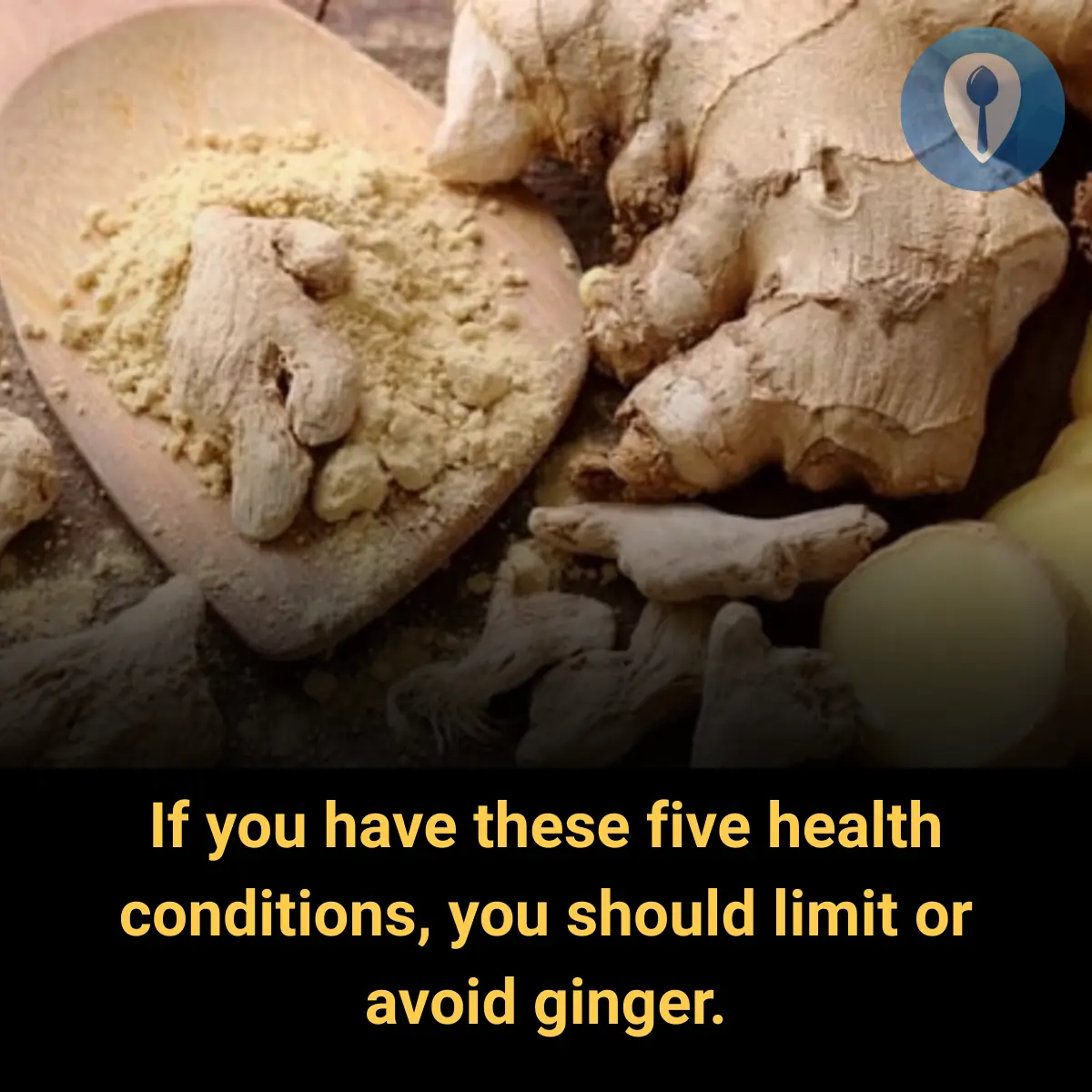
Ginger is commonly used for pregnancy nausea, and small amounts may be safe for many women. However, doctors recommend avoiding high doses, especially in supplement form, because safety depends on health status, pregnancy stage, and individual risk factors.
Pregnant women should consult a healthcare provider before taking ginger supplements or using it daily in large quantities.
Signs You May Be Overdoing Ginger
Doctors say to stop or reduce ginger if you notice:
-
heartburn or stomach pain
-
unusual bruising or nosebleeds
-
diarrhea
-
dizziness or low blood pressure symptoms
-
changes in blood sugar control
These signs may indicate that the body is reacting negatively.
A Safer Approach: Food Amounts vs. Supplements
Experts often advise that ginger used in food (small daily amounts) is safer than concentrated extracts. Supplements can contain much higher doses and may cause stronger reactions.
If you want ginger for health:
-
use fresh ginger in meals
-
drink mild ginger tea
-
avoid taking large doses without guidance
-
talk to a doctor if you take medications
Final Thoughts: Ginger Can Help—But Not for Everyone
Ginger remains a popular and beneficial ingredient for many people, especially for digestion and nausea. But for those with bleeding risks, stomach disorders, low blood pressure, diabetes, or pregnancy concerns, ginger should be used carefully.