Pomegranate Juice and Cardiovascular Protection: Evidence from Human Clinical Studies
Health 02/01/2026 12:00
A viral claim circulating online suggests that “one year before death, the body often shows six warning signs.” The message is attention-grabbing—and for many people, frightening. But doctors say it’s important to approach such statements carefully. There is no single checklist that can accurately predict death, and many symptoms linked to health decline can also be caused by treatable conditions.
Still, medical experts agree on one key point: when the body begins showing multiple persistent changes—especially in older adults—it may indicate underlying illness, frailty, or organ dysfunction. Recognizing these signals early can help people seek care sooner, manage chronic disease, and improve quality of life.
In medical practice, doctors often look for patterns that suggest someone is at risk of worsening health—such as malnutrition, poor circulation, repeated infections, or loss of mobility. These problems can increase the risk of hospitalization and complications over time.
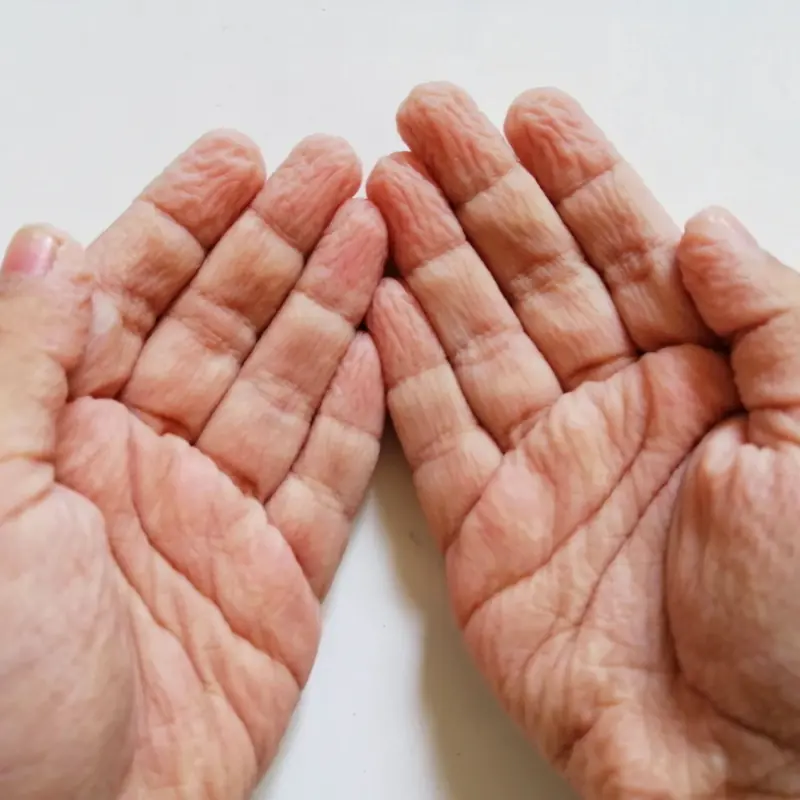
The image associated with the claim shows an older patient in a hospital bed, along with close-ups of bruising and wrinkled fingertips—details often linked to poor circulation, dehydration, or fragile blood vessels. While these signs do not mean “death is near,” they can be important indicators that the body needs support.

Losing weight without trying—especially in older adults—can be a red flag. It may signal poor nutrition, digestive issues, depression, cancer, or chronic infection. Doctors often become concerned when someone loses noticeable weight over a few months.
Feeling tired occasionally is normal. But ongoing exhaustion, reduced stamina, or weakness that worsens over time may point to anemia, heart failure, thyroid disease, kidney problems, or chronic inflammation.
Repeated falls are one of the strongest signs of physical decline in older adults. Falls may be linked to muscle loss, low blood pressure, nerve problems, medication side effects, or brain conditions. Doctors urge people not to dismiss falls as “just aging.”
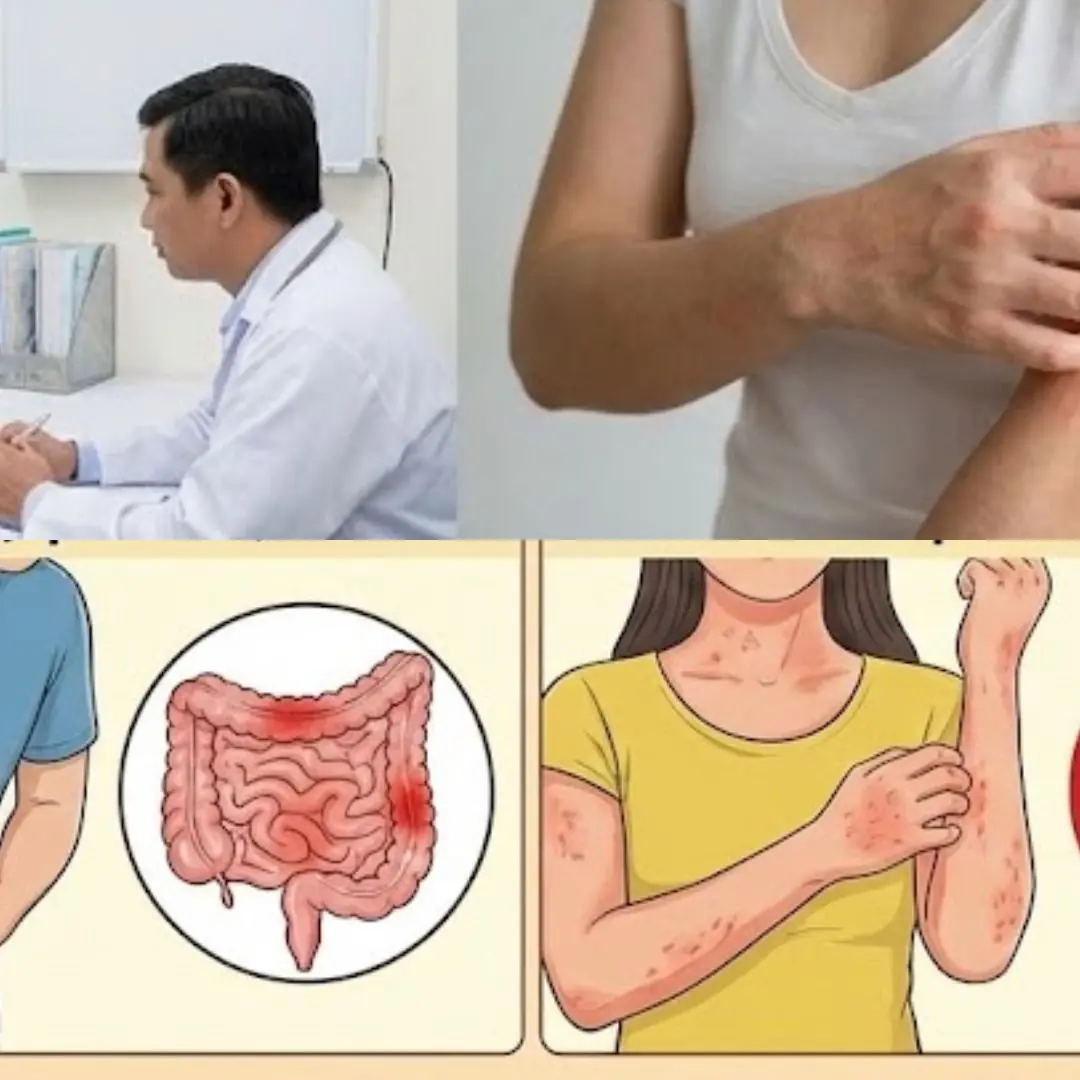
Bruising, cold hands and feet, slow healing wounds, and changes in fingertip appearance may reflect circulation problems or fragile blood vessels. These changes can be related to diabetes, cardiovascular disease, or nutritional deficiencies.
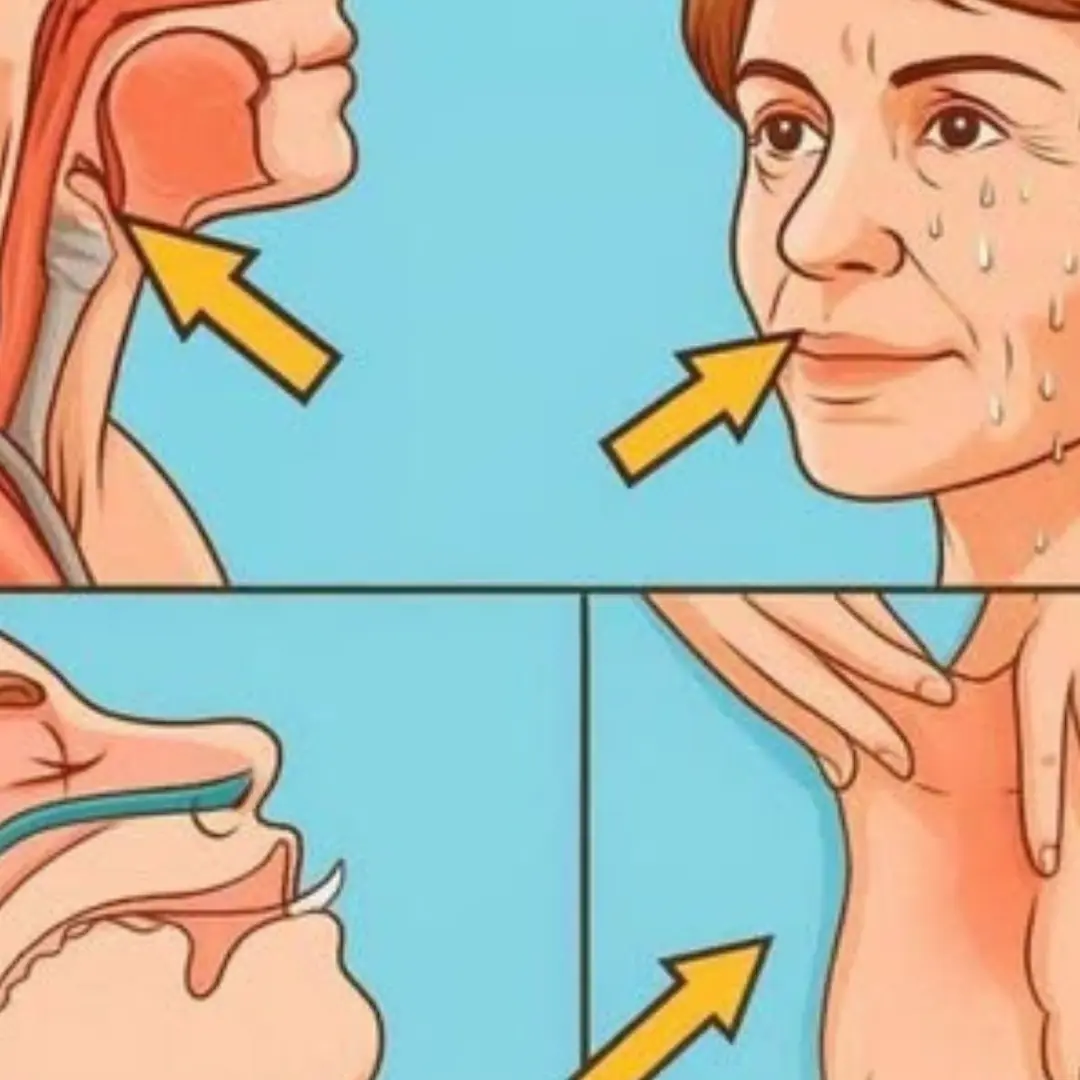
Reduced appetite can be caused by medication, digestive disease, depression, or worsening chronic illness. Difficulty swallowing, coughing while eating, or choking may also raise the risk of aspiration pneumonia, which can be serious.
When someone begins getting sick more often—or takes longer to recover from common illnesses—it may suggest weakened immunity. Repeated urinary tract infections, pneumonia, or skin infections are common warning signs of declining health, especially in seniors.
Doctors emphasize that these symptoms are not a “death countdown.” Instead, they are signals that the body may be struggling and could benefit from:
medical evaluation and blood tests
medication review
nutrition support
physical therapy or strength training
screening for chronic diseases
mental health care and social support
Many people improve significantly when the root cause is identified early.
Health experts recommend urgent medical attention if symptoms include:
sudden confusion or fainting
chest pain or severe shortness of breath
major bleeding or black stools
inability to eat or drink
rapid decline in mobility
These could indicate emergencies that require immediate care.
Caregivers and family members can help by:
monitoring weight and appetite
encouraging hydration and balanced meals
checking for bruises, swelling, or wounds
ensuring safe home environments to prevent falls
scheduling regular checkups
Small steps can prevent major complications.