The “dark secrets” of insulated bottles that many people unknowingly use without a second thought—no wonder illness can enter through the mouth.
5 mistakes when using insulated bottles that can harm your body, lead to heavy-metal exposure, and increase cancer risk.
No matter how convenient, you should stop putting these 5 things into insulated bottles.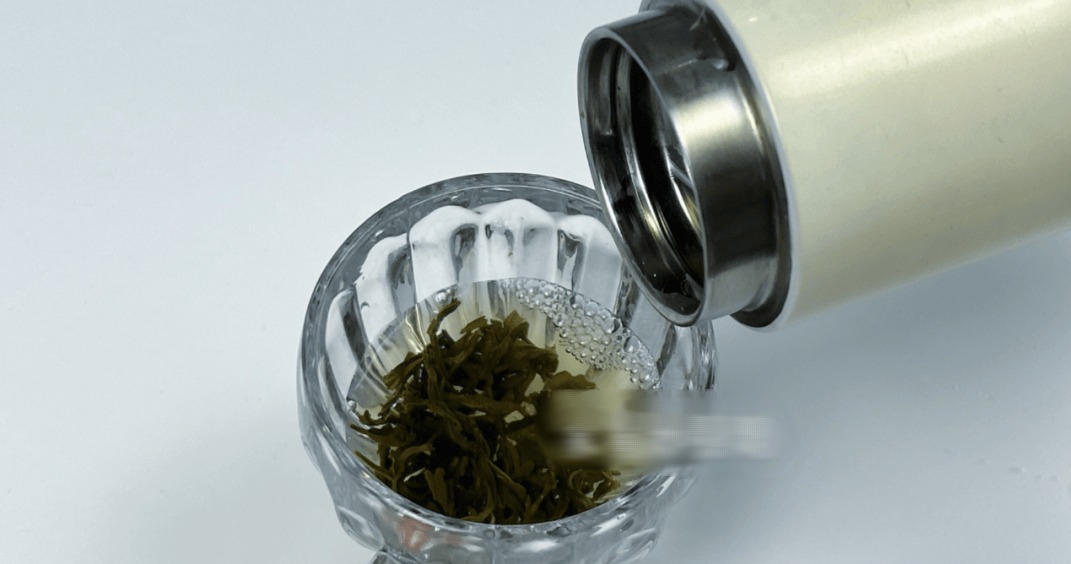
Insulated bottles are familiar items for office workers, students, and people who care about their health. Originally, they were used simply to keep water hot; with good insulation, water can stay warm for many days. Over time, people have found more uses, such as cooking porridge, fermenting yogurt, storing rice, keeping ice, or holding cold drinks. While these uses are convenient, not every type of liquid is suitable for insulated bottles. Some can damage the inner lining or harm health. Let’s explore five types of liquids you should avoid putting in insulated bottles.
1. Acidic beverages
Lemon water, pickled plum juice, and carbonated drinks like cola or soda are all acidic. In hot weather, many people add ice to these drinks and store them in insulated bottles to keep them cold longer. However, acids are corrosive and can damage the metal lining inside the bottle, causing metal ions to leach into the liquid. Long-term consumption of liquids containing heavy metals can be harmful to the body. In addition, corrosion reduces the bottle’s insulating ability. Therefore, acidic drinks should be avoided in insulated bottles.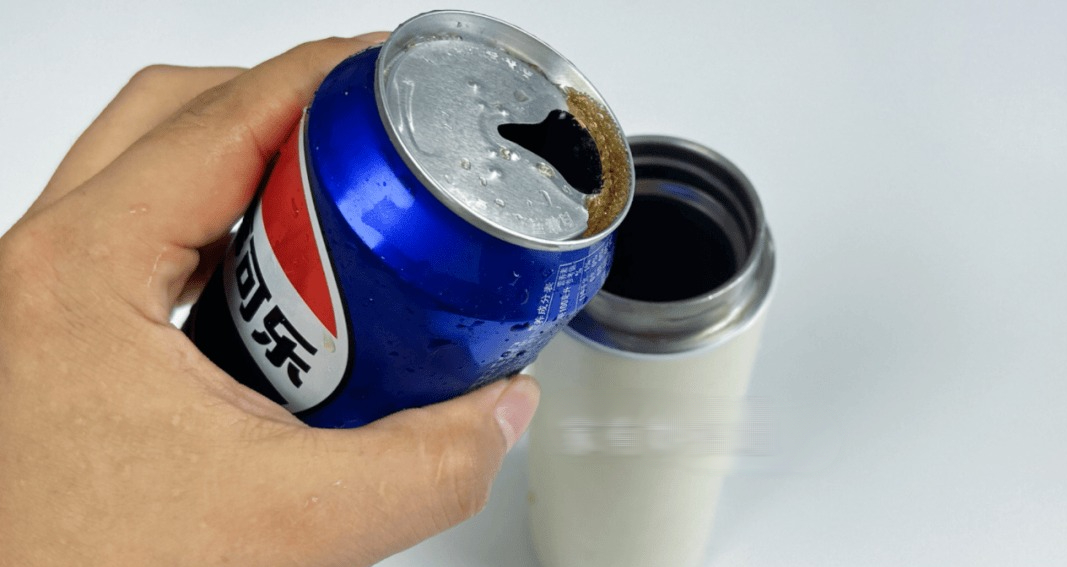
2. Fresh milk
On busy mornings, many people pour fresh milk into an insulated bottle to take along and drink at school or work. However, milk is rich in protein and easily supports bacterial growth. The sealed, warm environment inside an insulated bottle allows bacteria to multiply quickly, causing milk to spoil sooner and increasing the risk of stomach pain or diarrhea if consumed. For safety, milk should be stored in a separate food container.
3. Foods that ferment easily
Some people like to soak ingredients such as red dates (jujubes), goji berries, or cinnamon in hot water and keep them in insulated bottles to preserve the flavor. However, these easily fermentable foods can pose hidden dangers. There have been cases of insulated bottles exploding due to CO₂ gas produced during the fermentation of red dates, which builds up high pressure inside the bottle. When the lid is opened, the sudden release of pressure can cause accidents. Therefore, to ensure safety, you should not soak red dates, goji berries, or dried fruits in insulated bottles.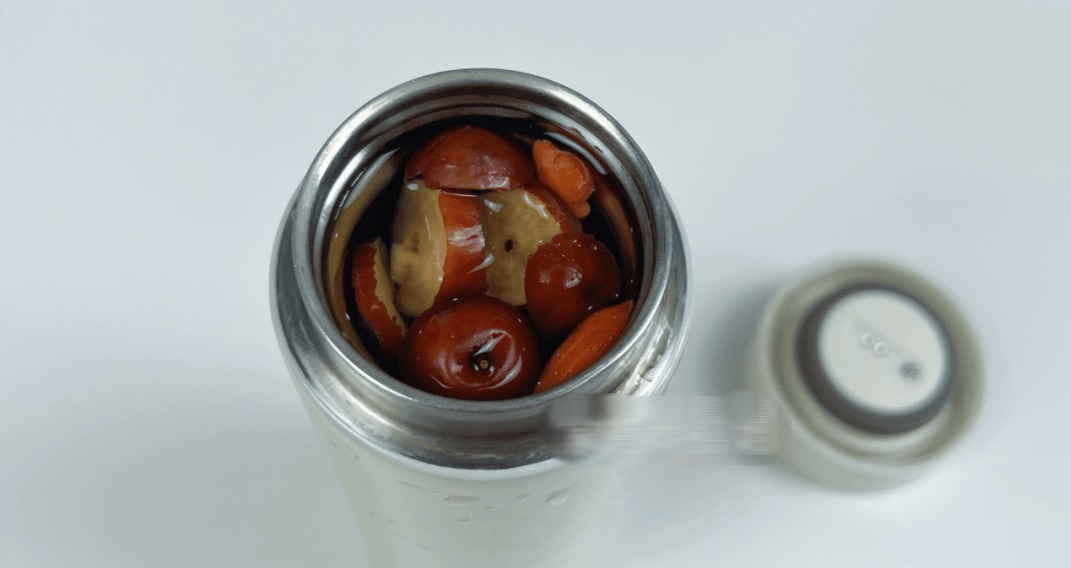
4. Leaf tea
Brewing tea in an insulated bottle is a common habit, but it’s not a good practice. Continuous high temperatures inside the bottle can destroy nutrients in the tea, making it bitter and reducing its aroma. Moreover, tannins and caffeine in tea may react with oxygen at high temperatures, producing substances that can irritate the stomach. To enjoy good tea, it’s better to brew it in a glass container or a dedicated teapot.
5. Soup or liquids high in salt
Many people use insulated bottles not only for hot water but also to store salty soups or broths. However, soups or liquids with high salt content are corrosive, similar to acidic drinks. They can damage the metal lining of the bottle, causing heavy metals to leach into the food, harming health and reducing insulation performance. For safety, choose glass containers or high-quality food-grade plastic containers for soup instead of insulated bottles.