8 Signs You May Have Too Much Sugar in Your Body (And What You Can Do About It)
Sugar is an important source of energy for the body. However, when blood sugar levels remain elevated for long periods, it can affect multiple organs and systems, often producing symptoms that are easy to overlook.
Many people live with high blood sugar for months or even years before realizing something is wrong. The body often sends warning signals long before serious complications develop.
Here are eight signs that may indicate your body is struggling with excess sugar—and what you can do to protect your health.
1. Constant Thirst

One of the earliest signs of elevated blood sugar is feeling thirsty all the time.
When excess glucose builds up in the bloodstream, the kidneys work harder to remove it through urine. This process causes the body to lose more fluids than normal, leading to dehydration and persistent thirst.
If you're drinking plenty of water but still feel thirsty throughout the day, it may be worth paying attention.
2. Frequent Urination
Because the body tries to eliminate excess sugar through urine, people with high blood sugar often find themselves making more trips to the bathroom.
You may notice:
- Urinating more often during the day
- Waking up several times at night
- Producing larger amounts of urine than usual
Frequent urination and excessive thirst often occur together.
3. Constant Fatigue
Do you feel tired even after getting enough sleep?
Although glucose is the body's primary fuel source, high blood sugar can interfere with the ability of cells to use that energy effectively.
As a result, many people experience:
- Persistent tiredness
- Low energy levels
- Difficulty concentrating
- Mental fog
Fatigue associated with blood sugar problems often doesn't improve with rest alone.
4. Increased Hunger
Excessive hunger can be another clue.
When cells are unable to access glucose efficiently, the brain may interpret the situation as an energy shortage and trigger stronger hunger signals.
You might find yourself:
- Feeling hungry shortly after meals
- Craving carbohydrates or sweets
- Eating more than usual
This symptom is especially concerning when accompanied by unexplained weight changes.
5. Blurred Vision
High blood sugar can temporarily affect the eyes.
Changes in fluid levels may alter the shape of the eye's lens, making it more difficult to focus properly.
Symptoms may include:
- Blurry vision
- Difficulty reading
- Temporary vision fluctuations
Persistent vision changes should always be evaluated by a healthcare professional.
6. Slow-Healing Cuts and Wounds
The body's healing process may slow when blood sugar remains elevated.
High glucose levels can damage blood vessels and reduce circulation, making it harder for nutrients and oxygen to reach injured tissues.
You may notice:
- Minor cuts taking weeks to heal
- Frequent skin infections
- Wounds that seem unusually slow to improve
This is one of the warning signs that should never be ignored.
7. Tingling or Numbness in the Hands and Feet
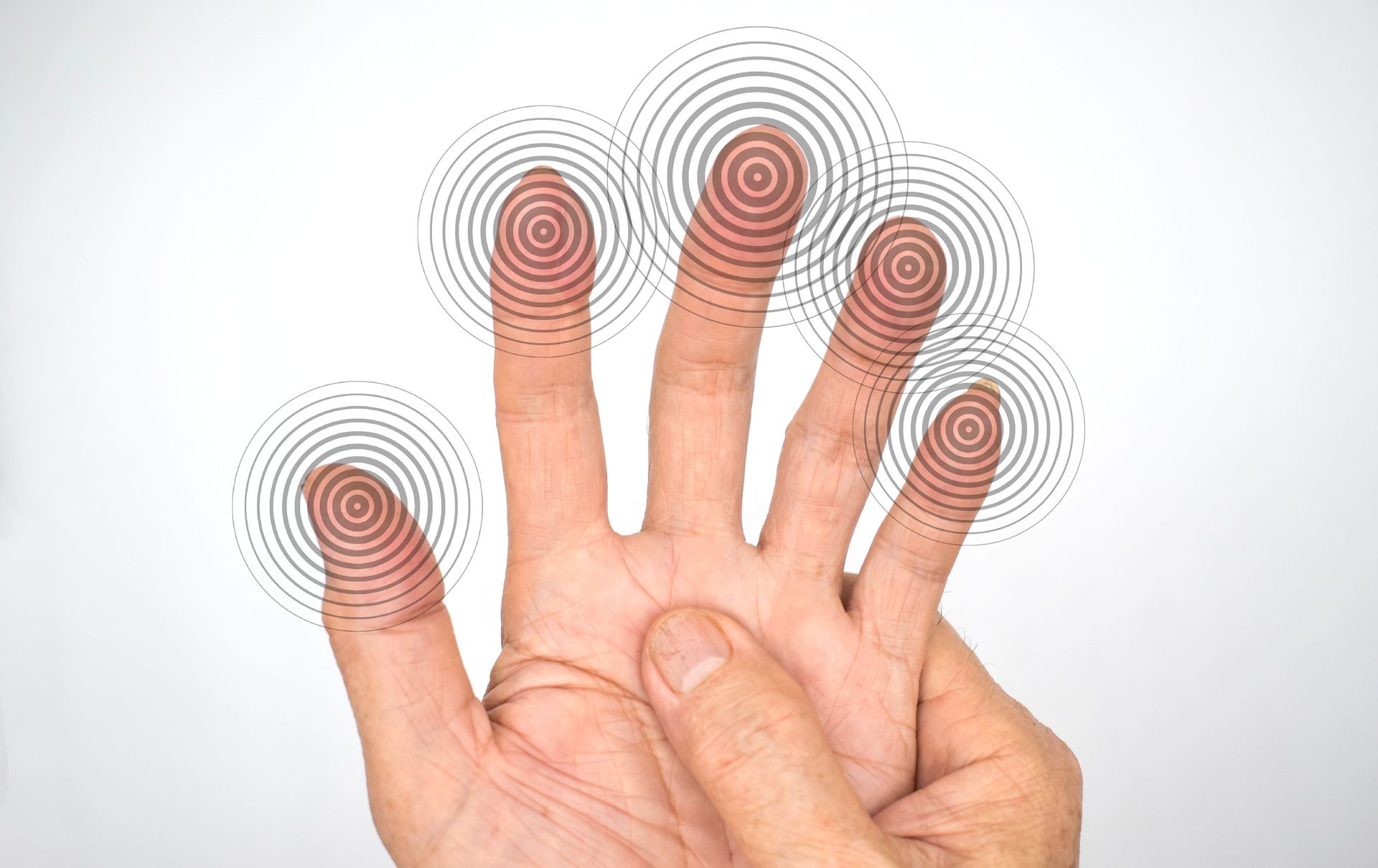
Over time, excess sugar can damage nerves.
Many people first experience:
- Tingling sensations
- Burning feelings
- Numbness
- Pins-and-needles sensations
These symptoms often begin in the feet and gradually progress.
Early intervention can help reduce the risk of more serious nerve damage.
8. Dark Patches of Skin
A lesser-known sign of insulin resistance and elevated blood sugar is the appearance of dark, velvety patches of skin.
These areas commonly develop on:
- The back of the neck
- Armpits
- Groin
- Elbows
This condition, known as acanthosis nigricans, can sometimes appear before diabetes is diagnosed.
Why Does Excess Sugar Matter?
When blood sugar remains elevated for long periods, it can increase the risk of:
- Heart disease
- Kidney disease
- Vision problems
- Nerve damage
- Circulation issues
The good news is that early detection and lifestyle changes can significantly reduce these risks.
What Can You Do?

If you notice several of these symptoms, consider speaking with a healthcare professional.
Simple blood tests can help determine whether your blood sugar levels are within a healthy range.
In addition, healthy habits can support blood sugar control:
Choose Balanced Meals
Focus on:
- Vegetables
- Fruits in moderation
- Lean proteins
- Whole grains
- Healthy fats
Limiting highly processed foods and sugary beverages may also help.
Stay Active
Regular physical activity helps the body use insulin more effectively and supports healthy blood sugar levels.
Even daily walking can make a difference.
Maintain a Healthy Weight
For many people, modest weight loss can improve blood sugar control and reduce the risk of developing type 2 diabetes.
Prioritize Sleep
Poor sleep may affect hormones involved in blood sugar regulation.
Aim for consistent, quality sleep whenever possible.
Manage Stress
Chronic stress can influence blood sugar levels through hormonal changes.
Relaxation techniques, exercise, and mindfulness practices may help.
Final Thoughts
High blood sugar doesn't always cause dramatic symptoms. In many cases, the body sends subtle warnings long before serious health problems appear.
Persistent thirst, frequent urination, fatigue, increased hunger, blurred vision, slow-healing wounds, tingling sensations, and darkened skin patches may all be clues that your blood sugar deserves attention.
Recognizing these signs early and seeking appropriate medical advice can help protect your long-term health and prevent future complications.
Your body often provides hints when something is out of balance—the key is knowing how to recognize them.