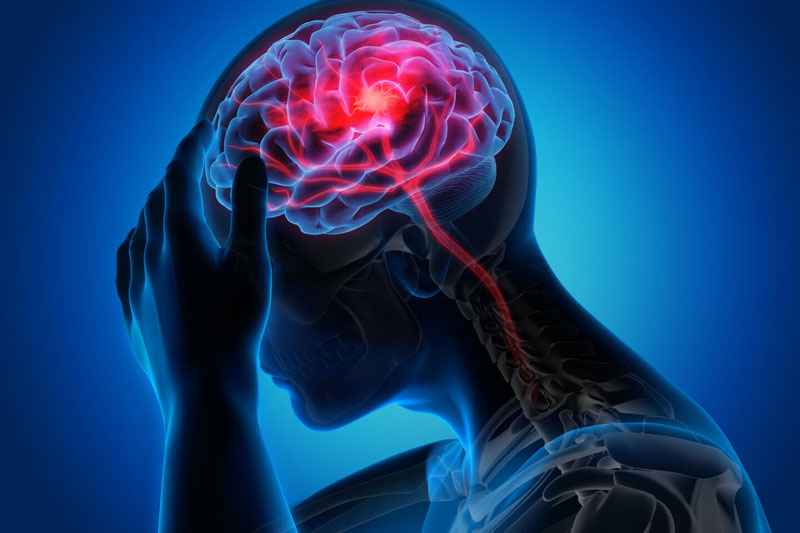
Warning: Rapid Memory Loss If You Eat Too Much of These Foods — What Science Really Says
Memory loss is one of the most feared health problems today. When people hear that certain foods can damage the brain, panic spreads quickly. Social media headlines often claim that everyday foods are “destroying memory” or “killing brain cells”, but the truth is more nuanced.
Yes — diet does influence brain health, memory, and concentration.
But memory loss is rarely caused by a single food. Instead, it develops slowly, driven by long-term eating patterns and lifestyle choices.
Understanding which foods can contribute to cognitive decline — and why — is the key to protecting your brain.
How Food Affects Memory and the Brain
Your brain uses:
-
Glucose for energy
-
Fats to build cell membranes
-
Vitamins and minerals to support neurotransmitters
When the diet is overloaded with highly processed, inflammatory foods, it can:
-
Increase brain inflammation
-
Disrupt insulin signaling in the brain
-
Reduce blood flow to memory centers
-
Damage connections between neurons
Over time, these changes may impair learning, focus, and memory retention.
Foods Most Often Linked to Memory Decline (When Overconsumed)
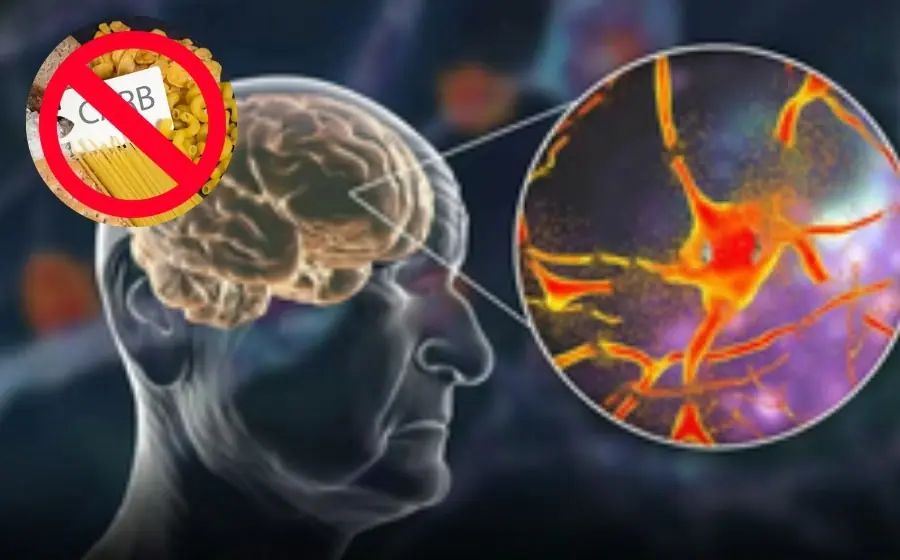
1. Ultra-Refined Carbohydrates
White bread, sugary cereals, pastries, and refined pasta cause rapid blood sugar spikes.
Long-term effects may include:
-
Insulin resistance in the brain
-
Reduced hippocampal function (memory center)
-
Faster cognitive aging
High blood sugar does not just affect diabetes — it affects brain performance.
2. Highly Processed Foods
Packaged snacks, instant noodles, fast food, and processed meats are often high in:
-
Trans fats
-
Refined sugars
-
Artificial additives
Studies associate these diets with:
-
Increased inflammation
-
Slower thinking speed
-
Higher risk of cognitive decline
The issue is not occasional intake — it’s daily dependence.
3. Excessive Added Sugar
Sugary drinks and desserts overload the brain’s energy system.
Too much sugar may:
-
Reduce brain plasticity
-
Impair memory formation
-
Increase risk of dementia over time
The brain thrives on stable energy, not constant spikes and crashes.
4. Trans Fats
Found in some margarine, baked goods, and fried foods.
Research links trans fats to:
-
Worse memory scores
-
Reduced brain volume
-
Increased inflammation
Many countries have restricted them, but they still appear in some processed foods.
5. Heavy Alcohol Consumption
Alcohol is directly neurotoxic when consumed excessively.
Long-term heavy drinking can:
-
Shrink brain tissue
-
Damage memory circuits
-
Impair learning and recall
Moderation matters. Chronic excess is where damage occurs.
What These Foods Do NOT Automatically Cause
Eating these foods does NOT mean:
-
Instant memory loss
-
Brain damage after one meal
-
Permanent cognitive decline
Memory problems develop over years, not days.
Your brain is resilient — but it responds to patterns, not isolated choices.
Foods That Protect Memory and Brain Health
A brain-supportive diet includes:
-
Fatty fish (omega-3s)
-
Nuts and seeds
-
Leafy green vegetables
-
Berries
-
Whole grains