
6 Ways to Reduce Tinnitus and “Cicadas Chirping” in the Ears at Home
Tinnitus is often described as ringing, buzzing, hissing, or cicada-like chirping in the ears when no external sound is present. For some people, it is occasional and mild. For others, it can be persistent and deeply frustrating, especially at night when the world becomes quiet.
While tinnitus is not a disease itself, it is a symptom linked to changes in the auditory system, circulation, stress levels, or nerve activity. There is no single cure, but many people can significantly reduce its intensity by managing triggers and supporting ear and brain health.
Here are six science-supported, at-home strategies that may help reduce tinnitus symptoms.
1. Reduce Silence With Background Sound
Complete silence often makes tinnitus feel louder.
Using gentle background noise can:
-
Mask ringing or chirping
-
Reduce the brain’s focus on internal sounds
-
Improve sleep quality
Helpful options include:
-
White noise machines
-
Soft music
-
Nature sounds (rain, wind, ocean)
-
A fan or low-volume radio
The goal is soft, steady sound, not loud noise.
2. Manage Stress and Nervous System Tension
Stress is one of the strongest tinnitus amplifiers.
When stress rises:
-
The nervous system becomes overactive
-
Auditory signals are processed more intensely
-
Ringing often becomes louder or sharper
Daily stress-reduction habits that help include:
-
Deep breathing
-
Meditation or mindfulness
-
Gentle yoga or stretching
-
Short walks outdoors
Lowering stress does not “cure” tinnitus — but it often reduces how intrusive it feels.
3. Limit Caffeine, Alcohol, and Nicotine
These substances can worsen tinnitus in many people.
They may:
-
Increase blood pressure
-
Affect blood flow to the inner ear
-
Stimulate the nervous system
This does not mean total avoidance for everyone. Instead:
-
Reduce intake
-
Observe whether symptoms improve
-
Avoid them close to bedtime
Personal sensitivity varies, so tracking your triggers matters.
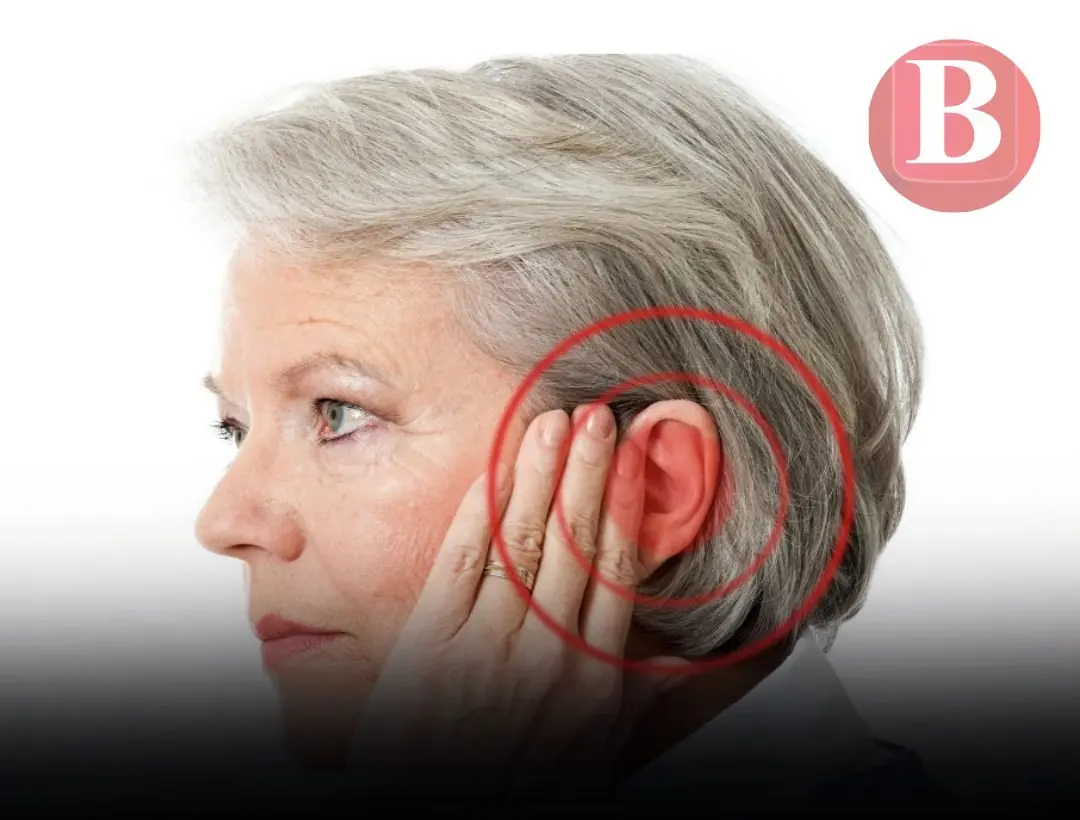
4. Protect Your Ears From Loud Noise
Noise exposure is one of the most common causes of tinnitus.
At home and outside:
-
Lower headphone volume
-
Avoid prolonged loud environments
-
Use ear protection when needed
Once ear cells are damaged, they do not regenerate, so prevention is critical.