10 Signs You May Have Kidney Disease Without Knowing It
Kidney disease is often called a “silent condition” because it can progress quietly for years without obvious symptoms. Many people only discover a problem when their kidneys are already significantly damaged. Understanding the early warning signs can help you take action sooner and protect your health. Below are 10 important signs of kidney disease that are commonly overlooked.
1. Changes in Urination
One of the earliest signs involves changes in how often or how much you urinate. You may notice urinating more frequently at night, producing less urine than usual, or urine that appears foamy or bubbly. Foamy urine can indicate excess protein, a key marker of kidney damage.
2. Persistent Fatigue and Weakness
Healthy kidneys produce a hormone called erythropoietin, which helps your body make red blood cells. When kidney function declines, red blood cell production drops, leading to anemia. This can cause constant tiredness, weakness, and difficulty concentrating, even after adequate rest.
3. Swelling in Hands, Feet, or Face
Kidneys help remove excess fluid from the body. When they fail to do so efficiently, fluid builds up, causing swelling (edema) in the ankles, feet, hands, or around the eyes. This swelling is often worse at the end of the day.
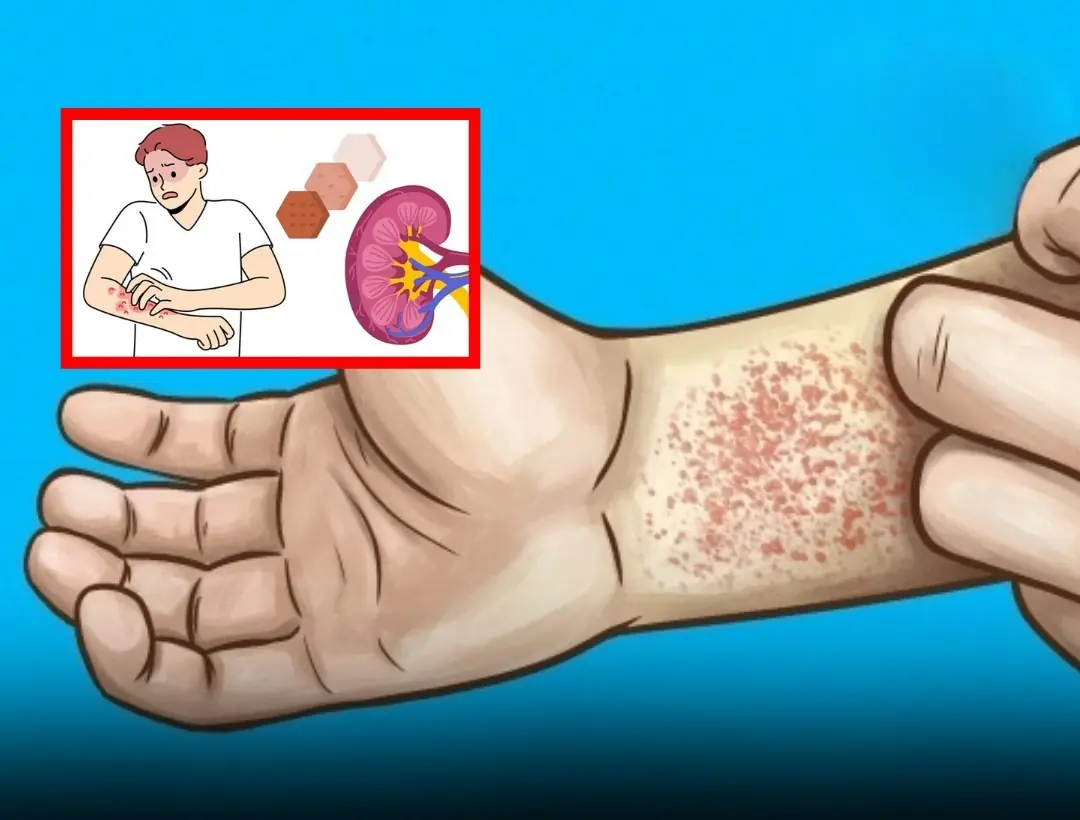
4. Skin Rashes and Persistent Itching
When kidneys are not filtering waste properly, toxins can accumulate in the blood. This may lead to dry, itchy skin or unexplained rashes. The itching can be intense and persistent, sometimes without visible skin irritation.
5. Shortness of Breath
Kidney disease can cause shortness of breath in two ways. First, extra fluid may build up in the lungs. Second, anemia reduces oxygen delivery to the body. As a result, you may feel breathless after mild activity or even while resting.
6. Trouble Sleeping
Many people with kidney disease experience sleep disturbances, including insomnia or restless sleep. The buildup of toxins in the blood can interfere with normal sleep cycles, leaving you feeling unrefreshed in the morning.
7. Poor Appetite and Nausea
As waste products accumulate, they can affect the digestive system. This often results in loss of appetite, nausea, vomiting, or a metallic taste in the mouth. Over time, this can lead to unintentional weight loss.
8. Muscle Cramps
Electrolyte imbalances are common in kidney disease. Low levels of calcium or imbalanced phosphorus can cause frequent muscle cramps, especially in the legs. These cramps may occur suddenly and become more frequent over time.
9. Difficulty Focusing or Dizziness
Reduced kidney function can lead to anemia and toxin buildup, both of which affect brain function. You may notice difficulty concentrating, dizziness, or feeling mentally foggy, particularly during routine tasks.
10. High Blood Pressure
High blood pressure is both a cause and a consequence of kidney disease. Damaged kidneys struggle to regulate blood pressure effectively, creating a dangerous cycle that accelerates further kidney damage if left untreated.
Why Early Detection Matters
Kidney disease often progresses silently until it reaches an advanced stage. Early detection allows for lifestyle changes, medication, and proper medical management that can significantly slow disease progression and prevent complications such as kidney failure.
When to See a Doctor
If you notice multiple symptoms from this list, especially changes in urination, swelling, or persistent fatigue, it is important to consult a healthcare professional. Simple blood and urine tests can provide valuable insight into your kidney health.