Have you ever noticed that your fingers feel unusually tight in the morning, your rings suddenly seem difficult to remove, or your feet look puffy after a long day? Perhaps your shoes feel tighter than usual, your ankles appear swollen, or pressing your finger against your skin leaves a temporary indentation.
These changes can be easy to dismiss. You might assume that you have eaten too much salt, spent too many hours sitting, or simply need to drink more water. In many cases, everyday factors really can contribute to swelling.
However, persistent or unexplained swelling of the hands and feet can sometimes be a sign that something else is happening inside your body.
Swelling occurs when fluid accumulates in the tissues. The medical term for this type of fluid buildup is edema. It can affect the fingers, hands, feet, ankles, or several areas at once. Depending on the underlying cause, it may develop gradually, appear suddenly, come and go, or become progressively worse.
Sometimes, the explanation is relatively simple. In other situations, swelling may be associated with problems involving the heart, kidneys, liver, blood vessels, hormones, or medications.
The important thing is to pay attention to the pattern of swelling rather than assuming that every swollen hand or foot has the same cause.
In this article, we will explore 10 possible reasons your hands and feet may be swelling, the symptoms worth watching for, practical steps that may help, and the situations in which you should seek medical attention.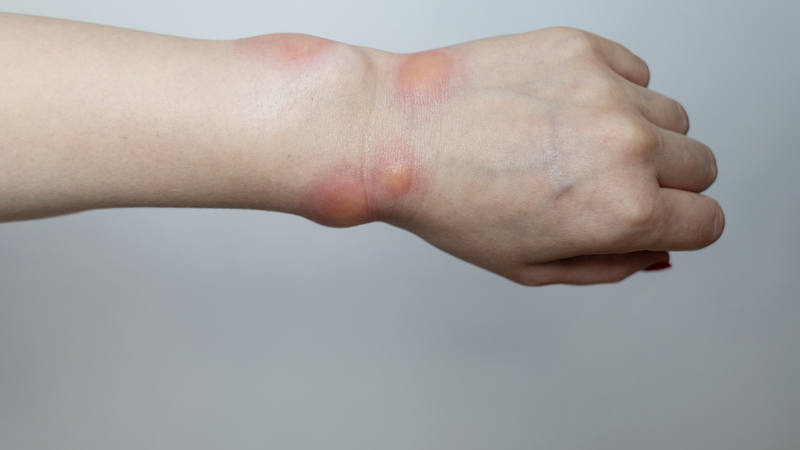
1. Your Body May Be Retaining Too Much Fluid
One of the most common explanations for swelling is fluid retention.
Your blood vessels, lymphatic system, and surrounding tissues work together to maintain a healthy balance of fluid throughout your body. Normally, excess fluid is transported away from tissues and returned to circulation.
When this balance is disrupted, fluid can accumulate in the spaces between cells, causing visible swelling.
You may notice that your fingers look puffy, your ankles appear enlarged, or your feet feel heavy after standing for several hours. Some people also notice that their rings fit more tightly or that their socks leave deeper marks around their ankles.
Fluid retention can be influenced by several everyday factors, including:
-
Eating a large amount of sodium.
-
Sitting or standing in one position for too long.
-
Hot weather.
-
Hormonal changes.
-
Certain medications.
-
Reduced movement during travel.
-
Some underlying medical conditions.
The location of the swelling can offer useful clues. Swelling around both ankles after standing all day, for example, may have a different explanation from sudden swelling in one hand.
However, appearance alone cannot establish the cause.
If swelling occurs repeatedly, lasts longer than expected, or continues without an obvious explanation, arrange a medical evaluation rather than assuming that your body is simply retaining water.
2. Eating Too Much Salt May Contribute to Swelling
Salt contains sodium, an essential mineral that helps regulate fluid balance, nerve function, and muscle activity.
Your body needs sodium, but consuming more than you need can contribute to fluid retention, particularly in people who are sensitive to sodium or who have certain medical conditions.
After a particularly salty meal, you might notice that your fingers feel puffy, your face looks slightly swollen, or your feet feel tighter inside your shoes.
Foods that can contain substantial amounts of sodium include:
-
Processed meats and sausages.
-
Instant noodles.
-
Packaged snacks and salty crackers.
-
Canned soups.
-
Fast food and restaurant meals.
-
Pickled foods and salty sauces.
-
Certain ready-made meals.
The effects vary from person to person. A salty meal does not automatically cause noticeable swelling, and swelling should not always be attributed to diet.
People with high blood pressure, heart failure, kidney disease, or certain other medical conditions may need particular attention to their sodium intake.
What can you do?
Try reducing your intake of highly processed and heavily salted foods. Compare nutrition labels when possible, choose fresh ingredients more often, and use herbs, spices, citrus, or other seasonings to add flavor.
Drink fluids according to your body's needs and any medical advice you have received. Do not attempt to flush out excess sodium by drinking excessive amounts of water.
If you have heart or kidney disease and have been given specific fluid or sodium restrictions, follow your healthcare professional's instructions.
If swelling persists despite reasonable dietary changes, it is important to investigate other possible causes.
3. Poor Circulation or Problems With Veins May Cause Swollen Legs and Feet
Your circulatory system transports blood throughout your body. Veins return blood toward the heart, while tiny blood vessels exchange oxygen, nutrients, and fluid with surrounding tissues.
When blood does not return efficiently from the legs, pressure can build up in the veins. This may cause fluid to move into nearby tissues, producing swelling.
One possible cause is chronic venous insufficiency, a condition in which the veins have difficulty moving blood upward efficiently.
People with this condition may experience: