2. Elevate your legs when resting
If both feet or ankles become mildly swollen after standing, resting with your legs elevated may help fluid move away from the lower limbs.
Use a comfortable position that does not cause pain or breathing difficulty.
If elevating your legs makes you unusually short of breath, seek medical advice promptly, particularly if you have a known heart or lung condition.
3. Reduce excessive sodium intake
Limit heavily salted processed foods and pay attention to sodium in packaged meals, sauces, and restaurant dishes.
A balanced eating pattern with vegetables, fruit, whole grains, and suitable protein sources can support overall health.
People with kidney disease or those taking certain medications may need individualized dietary advice.
4. Drink fluids appropriately
Dehydration is not a reliable explanation for every case of swelling, and drinking excessive water is not an appropriate treatment for fluid retention.
Drink according to your needs and your clinician's recommendations. If you have been given a fluid restriction because of heart or kidney disease, follow that plan.
5. Review your medications with a clinician
If swelling started after a medication change, mention it to the person who prescribed the treatment.
Do not discontinue prescription medication or take diuretics without professional advice.
6. Consider compression only when appropriate
Compression stockings can help some people with chronic venous insufficiency or other specific causes of lower-leg swelling.
However, compression is not appropriate for every person. Certain arterial circulation problems, skin conditions, and other medical issues may make it unsuitable.
A healthcare professional can advise whether compression is appropriate and what type to use.
Do not begin compression treatment for sudden, unexplained swelling before a possible blood clot or another urgent cause has been assessed.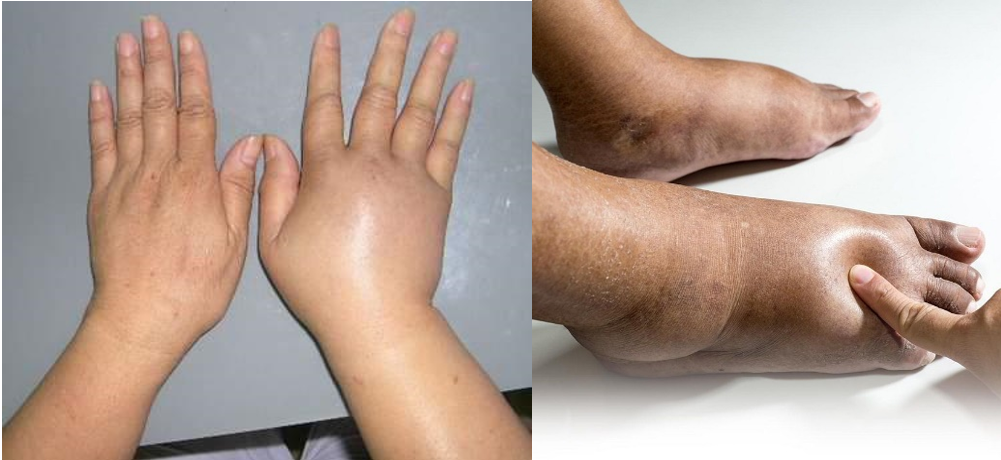
7. Track changes in swelling
A simple record can help you identify patterns.
Note when the swelling occurs, whether it affects one or both sides, whether it improves overnight, and whether it follows particular activities or meals.
If you have been advised to monitor your weight because of a heart or kidney condition, follow the monitoring plan provided by your healthcare team.
A rapid increase in weight can sometimes reflect fluid accumulation rather than an increase in body fat.
What Tests Might a Doctor Recommend?
The appropriate tests depend on your symptoms, medical history, examination, and the suspected cause.
Your healthcare professional may ask:
-
When did the swelling begin?
-
Does it affect one side or both sides?
-
Is there pain, redness, warmth, or tenderness?
-
Does the swelling improve overnight?
-
Have you recently changed medications?
-
Have you noticed changes in urination or body weight?
-
Do you experience shortness of breath, fatigue, or difficulty lying flat?
-
Do you have a history of heart, kidney, liver, thyroid, or vascular disease?
-
Are you pregnant or recently postpartum?
An examination may include checking blood pressure, heart rate, breathing, skin changes, and the distribution of swelling.
Depending on the findings, testing may include:
-
Blood tests to assess kidney function, liver function, electrolytes, or other relevant indicators.
-
Urine tests to check for protein, blood, or other abnormalities.
-
Thyroid tests when symptoms suggest a thyroid disorder.
-
An electrocardiogram or heart-related investigations when a cardiac cause is suspected.
-
Ultrasound of the veins when a blood clot is a concern.
-
Other imaging tests when the examination suggests a specific problem.
Not everyone needs every test. The goal is to identify the most likely explanation and determine whether treatment is needed.
Final Thoughts: Do Not Ignore Persistent Swelling
Swollen hands and feet can be caused by something as ordinary as prolonged standing or a salty meal. They can also occur because of medication side effects, hormonal changes, circulation problems, inflammation, or conditions affecting the heart, kidneys, liver, or thyroid.
The symptom itself does not tell you which explanation is correct.
What matters is how the swelling begins, how long it lasts, whether it keeps returning, and whether other symptoms appear.
If your hands and feet keep swelling without an obvious explanation, arrange a medical assessment rather than repeatedly trying home remedies. If the swelling occurs alongside changes in urination, unusual fatigue, rapid weight gain, or breathing problems, tell your healthcare professional.
Remember that some serious conditions can initially cause few symptoms. Waiting until pain develops is not always the safest approach.
At the same time, swelling does not automatically mean that you have a serious disease. Many cases have manageable explanations, and a proper assessment can help you understand what is happening.
Pay attention to persistent changes, respond promptly to warning signs, and avoid trying to diagnose yourself from a single symptom.
Your body may be signaling that something needs attention. The best response is not panic—it is informed, timely medical care.
Medical disclaimer: This article is for educational purposes only and does not replace professional medical advice, diagnosis, or treatment. Swelling can have many causes. Sudden swelling, especially with chest pain, breathing difficulty, or signs of a blood clot, requires urgent medical attention.