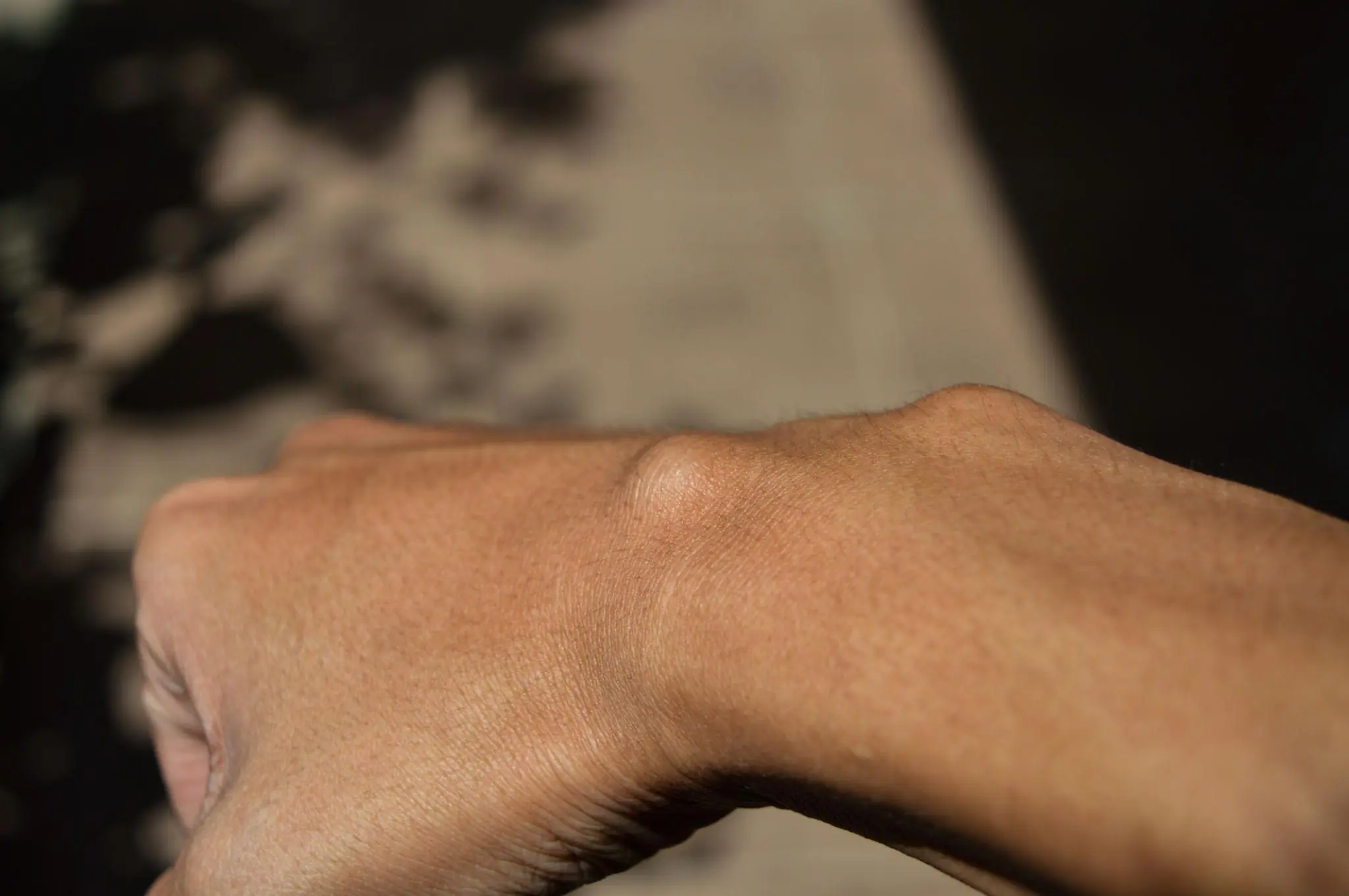
Attention! This Lump May Appear Due to Something You Do Every Day
The Hidden Health Problem Linked to Repetitive Wrist Movements
Health 04/06/2026 12:35
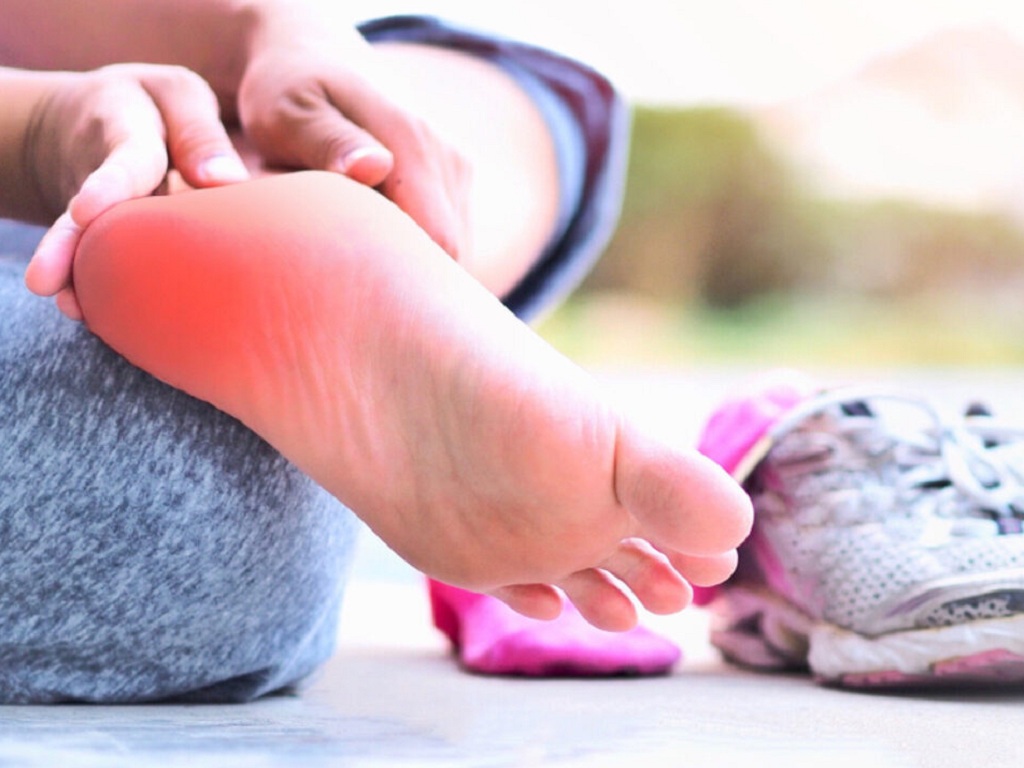
Have you ever taken your first few steps in the morning only to feel a sharp pain in your heel? For many people, this discomfort fades after walking around for a few minutes, making it easy to dismiss. However, recurring heel pain upon waking is not something that should be ignored.
While there are several possible causes, one of the most common explanations is a condition known as plantar fasciitis. This condition affects millions of people worldwide and is among the leading causes of heel pain in adults.
Although heel pain is often not dangerous, persistent symptoms can significantly affect mobility, exercise, work performance, and overall quality of life. Understanding what may be causing the pain and how to address it can help prevent the problem from becoming more severe.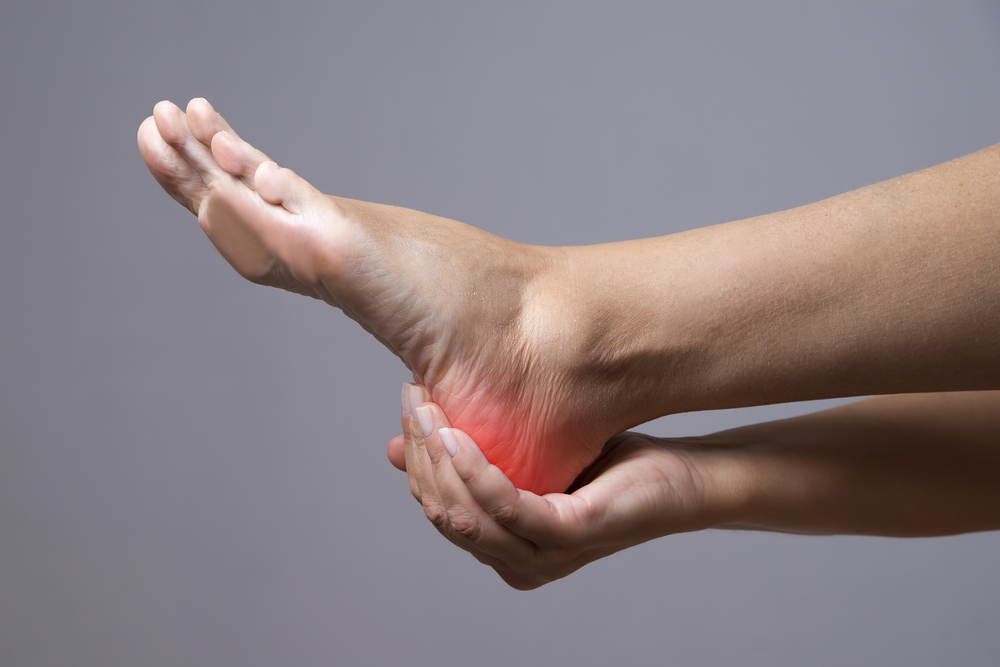
Many people find it strange that their heel hurts most when they first get out of bed but improves as the day progresses.
The explanation lies in what happens while you sleep.
During the night, the tissues in the foot remain relatively inactive. If inflammation or irritation is present, these tissues may tighten while resting.
When you suddenly place weight on your foot in the morning, the affected tissues stretch again, producing pain.
This pattern is particularly common in plantar fasciitis.
The plantar fascia is a thick band of connective tissue that runs along the bottom of the foot.
It connects:
The heel bone
The arch of the foot
The toes
This tissue acts like a shock absorber and helps support the foot's arch.
When excessive stress is placed on the plantar fascia, tiny tears and irritation may develop.
Over time, this can lead to:
Inflammation
Pain
Stiffness
Reduced flexibility
The result is often the classic symptom of sharp heel pain when taking the first steps in the morning.
Pain is often concentrated near the bottom of the heel.
The first few steps after waking are frequently the most painful.
Symptoms may also occur after:
Sitting for long periods
Driving
Watching television
Many individuals notice that discomfort decreases after walking for a while.
Symptoms may worsen after activity rather than during exercise itself.
Several factors can increase the likelihood of developing plantar fasciitis.
The condition is most common between ages 40 and 60.
Jobs that require long periods on hard surfaces may increase risk.
Examples include:
Teachers
Retail workers
Factory employees
Healthcare workers
Additional weight places greater stress on the feet.
Activities involving repetitive impact may contribute.
Examples include:
Running
Jumping sports
Dance training
People with:
Flat feet
High arches
Abnormal walking patterns
may have an increased risk.
Although plantar fasciitis is common, it is not the only explanation.
A heel spur is a calcium deposit that forms on the underside of the heel bone.
Many heel spurs cause no symptoms, but some may contribute to discomfort.
Inflammation of the Achilles tendon can sometimes cause pain near the back of the heel.
Small cracks in the heel bone may occur after repetitive stress.
Certain forms of arthritis may affect the feet and heels.
Irritated nerves in the foot or ankle can occasionally cause heel pain.
Because several conditions can produce similar symptoms, persistent pain should be evaluated by a healthcare professional.
Occasional heel discomfort after intense activity may not be unusual.
However, consider medical evaluation if:
Pain persists for several weeks
Walking becomes difficult
Symptoms worsen over time
Swelling develops
Pain interferes with daily activities
Early treatment often improves recovery.
Healthcare providers typically begin with:
Questions may include:
When pain occurs
Activity levels
Recent injuries
Work demands
The foot may be examined for:
Tenderness
Swelling
Range of motion
Sometimes imaging studies are recommended.
These may include:
X-rays
Ultrasound
MRI scans
Many cases of plantar fasciitis improve with conservative treatment.
Reducing activities that aggravate symptoms may allow healing.
Applying ice for short periods may help reduce discomfort.
Supportive shoes can reduce strain on the plantar fascia.
Avoid:
Worn-out shoes
Unsupportive sandals
Walking barefoot on hard surfaces
Gentle stretching may improve flexibility and reduce tension.
Stand facing a wall and gently stretch the calf muscles.
Pull the toes upward toward the shin while seated.
Use a towel around the foot to gently stretch the arch.
Regular stretching may help reduce morning stiffness.
Shoes play a major role in foot health.
Good arch support
Cushioning
Stable heel support
Worn shoes lose their ability to support the foot effectively.
For individuals carrying excess weight, weight reduction may decrease pressure on the feet.
Even modest reductions in body weight can lessen strain on the plantar fascia.
If home treatments do not provide relief, healthcare providers may recommend additional options.
Therapists can teach exercises designed to strengthen and stretch foot structures.
Custom or over-the-counter inserts may improve foot mechanics.
These devices keep the foot gently stretched during sleep.
In certain cases, injections may be considered.
Persistent cases may require specialized interventions recommended by healthcare professionals.
While heel pain becomes more common with age, it is not something that should simply be accepted.
Ignoring symptoms and continuing high-impact activities may worsen the condition.
The condition affects people from many different lifestyles and occupations.
Several habits may help reduce risk.
Regular movement helps maintain flexibility.
Consistent stretching may reduce tension in the feet and calves.
Proper shoes are one of the most effective preventive measures.
Avoid sudden increases in exercise intensity.
Heel pain that occurs when you first get out of bed is one of the most recognizable signs of plantar fasciitis, a common condition affecting the tissue that supports the arch of the foot. Although symptoms often improve after a few minutes of walking, recurring pain should not be ignored.
The good news is that many cases respond well to simple measures such as stretching, supportive footwear, rest, and lifestyle adjustments. Early attention to symptoms can help prevent long-term discomfort and keep you moving comfortably.
If morning heel pain continues for several weeks or begins interfering with daily life, seeking professional medical advice is an important step toward finding relief and protecting your long-term foot health.
The Hidden Health Problem Linked to Repetitive Wrist Movements

Before Eating Jackfruit Regularly, Here's What Certain Individuals Should Know

One Person Ate Steamed Sweet Potatoes Every Day—The Liver Test Results Were Unexpected 😯👇

Eating These 4 Foods in the Morning May Help Promote Better Digestive Function
If You Have Small White Spots on Your Arms or Legs, Read This First 👀👇

Your Body May Be Sending Important Warning Signs Through These 7 Everyday Symptoms

What Happens Inside Your Body When You Eat Onions? Doctors Break It Down

Stop Scrolling If You Care About Your Thyroid—These Foods Might Surprise You 👇

The Nose May Detect Changes in the Body as Serious Illness Progresses Toward Its Final Stages

The Surprising Causes of Hives That Many People Never Consider

If You Often Drool in Your Sleep, Don't Ignore What Your Body May Be Signaling 👇

Thinking About Eating Avocado Daily? Here’s What Happens to Your Body

Managing Bl00d Sugar Starts in the Morning: 4 Breakfast Choices to Be Careful With
6 Subtle Signs of Stage 1 Colon Cancer That Often Go Unnoticed
What Can Cause a Sour Vaginal Smell? Experts Point to These 4 Possibilities

Cashews and Your Health: The Unexpected Findings Revealed by Doctors

Do You Keep Waking Up at 3 or 4 in the Morning? Don’t Ignore These Possible Reasons

Can Avoiding Rice Actually Increase Health Risks?

Many Patients Ignore These Early Warning Signs Until It's Too Late
The Hidden Health Problem Linked to Repetitive Wrist Movements
Before Eating Jackfruit Regularly, Here's What Certain Individuals Should Know
One Person Ate Steamed Sweet Potatoes Every Day—The Liver Test Results Were Unexpected 😯👇
Eating These 4 Foods in the Morning May Help Promote Better Digestive Function

These 5 Household Electronics May Be Secretly Draining Power Around the Clock
If You Have Small White Spots on Your Arms or Legs, Read This First 👀👇

Your Toilet Flush Is Weak? Try These Simple Fixes Before Calling a Plumber
Your Body May Be Sending Important Warning Signs Through These 7 Everyday Symptoms
What Happens Inside Your Body When You Eat Onions? Doctors Break It Down
Stop Scrolling If You Care About Your Thyroid—These Foods Might Surprise You 👇
The Nose May Detect Changes in the Body as Serious Illness Progresses Toward Its Final Stages
The Surprising Causes of Hives That Many People Never Consider
If You Often Drool in Your Sleep, Don't Ignore What Your Body May Be Signaling 👇
Thinking About Eating Avocado Daily? Here’s What Happens to Your Body
Managing Bl00d Sugar Starts in the Morning: 4 Breakfast Choices to Be Careful With
6 Subtle Signs of Stage 1 Colon Cancer That Often Go Unnoticed
What Can Cause a Sour Vaginal Smell? Experts Point to These 4 Possibilities
Cashews and Your Health: The Unexpected Findings Revealed by Doctors
Do You Keep Waking Up at 3 or 4 in the Morning? Don’t Ignore These Possible Reasons