Hives, medically known as urticaria, are a common skin condition that affects millions of people every year. They typically appear as raised, itchy welts that can vary in size and shape. Some hives disappear within a few hours, while others may persist for days or even recur for months.
When people develop hives, they often assume that food allergies are to blame. While certain foods can indeed trigger hives, medical experts say that many cases are caused by factors that people rarely consider. In fact, some individuals may experience repeated outbreaks without ever identifying the true cause.
Understanding the possible triggers behind hives can help people better manage symptoms and know when it may be time to seek medical advice.

What Are Hives?
Hives are raised patches of skin that develop when the body releases histamine and other chemicals into the bloodstream.
Common Characteristics
Hives may appear as:
-
Red or skin-colored welts
-
Itchy bumps
-
Swollen patches
-
Circular or irregularly shaped lesions
They can occur anywhere on the body, including:
-
Arms
-
Legs
-
Face
-
Neck
-
Chest
-
Back
One unusual feature of hives is that they often move around. A hive may disappear from one location and appear somewhere else within hours.
Why Do Hives Occur?
Hives develop when certain cells in the skin release histamine.
Histamine causes:
-
Blood vessels to expand
-
Fluid to leak into surrounding tissues
-
Itching
-
Swelling
-
Redness
The challenge is that many different triggers can cause this reaction.
Trigger 1: Stress and Emotional Tension
Many people are surprised to learn that stress can contribute to hives.
How Stress Affects the Skin
During periods of stress, the body releases hormones such as:
-
Cortisol
-
Adrenaline
These changes may affect the immune system and increase inflammatory responses.
Possible Signs
Some individuals notice that hives appear during:
-
Work pressure
-
Family conflicts
-
Major life changes
-
Anxiety episodes
Stress-related hives are not imaginary. The skin and nervous system are closely connected, and emotional stress can sometimes trigger physical symptoms.
Trigger 2: Temperature Changes
Extreme temperatures can provoke hives in susceptible individuals.
Cold-Induced Hives
Some people develop hives after exposure to:
-
Cold air
-
Cold water
-
Ice packs
Heat-Induced Hives
Others may react to:
-
Hot weather
-
Warm showers
-
Saunas
Exercise-Related Hives
Physical activity increases body temperature and may trigger symptoms in certain individuals.
Trigger 3: Pressure on the Skin
Hives are not always caused by something entering the body.
Sometimes simple physical pressure can be responsible.
Common Examples
-
Tight clothing
-
Backpack straps
-
Belts
-
Tight socks
-
Sitting for long periods
In these cases, raised welts often appear where pressure occurred.

Trigger 4: Certain Medications
Some medications may trigger hives in sensitive individuals.
Examples Include
-
Antibiotics
-
Pain relievers
-
Anti-inflammatory medications
-
Certain blood pressure medications
Not everyone experiences reactions, but medication-related hives are a recognized cause.
Important Note
Never stop prescribed medications without consulting a healthcare professional.
Trigger 5: Viral Infections
Infections are among the most overlooked causes of hives.
Common Examples
-
Colds
-
Flu
-
Respiratory infections
-
Certain viral illnesses
In children, infections may actually be a more common cause of hives than food allergies.
Why It Happens
The immune system becomes activated while fighting infection, which may lead to histamine release and skin reactions.
Trigger 6: Foods and Food Additives
Food allergies remain one of the best-known triggers.
Foods Commonly Associated With Reactions
-
Shellfish
-
Peanuts
-
Tree nuts
-
Eggs
-
Milk
-
Fish
Food Additives
Some people may react to:
-
Artificial colorings
-
Preservatives
-
Flavor enhancers
However, experts note that food is often blamed when another trigger is actually responsible.
Trigger 7: Insect Bites and Stings
The immune system may react strongly to substances introduced through insect bites.
Potential Culprits
-
Mosquitoes
-
Bees
-
Wasps
-
Ants
In some cases, widespread hives can occur shortly after a sting or bite.
Trigger 8: Sunlight Exposure
Although uncommon, some people experience hives after sun exposure.
Symptoms May Include
-
Red welts
-
Itching
-
Burning sensations
Symptoms often appear shortly after spending time outdoors.
Trigger 9: Chronic Medical Conditions
Occasionally, recurring hives may be associated with underlying health conditions.
Examples may include:
-
Autoimmune disorders
-
Thyroid conditions
-
Chronic infections
Most people with hives do not have a serious illness, but persistent cases sometimes require further evaluation.
Trigger 10: Unknown Causes
Perhaps the most surprising fact is that many cases have no identifiable trigger.
Chronic Spontaneous Urticaria
Doctors use this term when hives:
-
Persist for six weeks or longer
-
Recur frequently
-
Have no obvious cause
Even with extensive testing, the exact trigger may remain unclear.
Common Symptoms of Hives
Symptoms can vary widely.
Typical Features
-
Intense itching
-
Raised welts
-
Redness
-
Swelling
-
Burning sensations
The size of hives can range from a few millimeters to several inches.
When Hives Become an Emergency
Most hives are uncomfortable but not dangerous.
However, immediate medical attention is necessary if symptoms include:
Swelling of the Face or Throat
This may affect breathing.
Difficulty Breathing
Breathing problems require emergency care.
Dizziness or Fainting
These symptoms may indicate a severe allergic reaction.
Rapidly Worsening Symptoms
Any sudden escalation should be evaluated immediately.
How Doctors Diagnose Hives
Diagnosis often begins with a detailed medical history.
Questions May Include
-
When did symptoms begin?
-
What foods were eaten?
-
What medications are being taken?
-
Were there recent illnesses?
-
Has stress increased recently?
Depending on the situation, additional testing may be recommended.
Tips for Managing Hives
Identify Possible Triggers
Keeping a symptom diary may help identify patterns.
Avoid Known Triggers
If a trigger is identified, minimizing exposure can help reduce outbreaks.
Wear Loose Clothing
This may reduce pressure-related hives.
Manage Stress
Relaxation techniques may benefit some individuals.
Follow Medical Advice
Persistent or severe hives should be discussed with a healthcare provider.
Can Hives Be Prevented?
Not always.
Because triggers vary widely, prevention depends on identifying the specific cause.
However, maintaining overall health, managing stress, and avoiding known triggers may help reduce recurrence.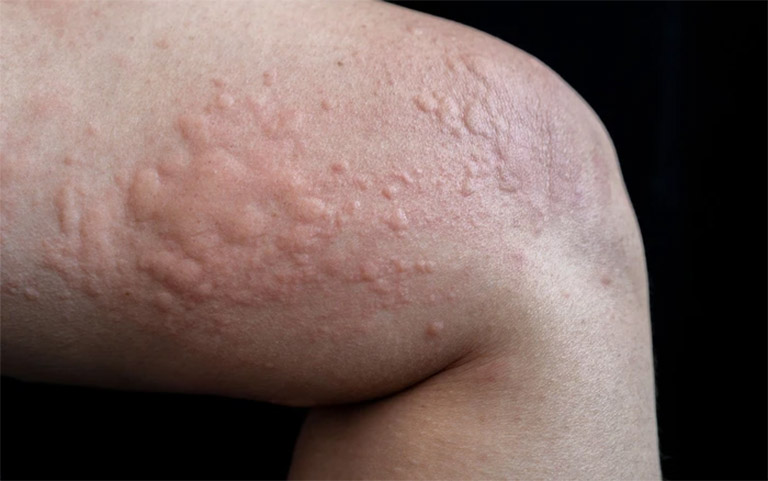
Final Thoughts
Hives are often associated with allergies, but the reality is far more complex. Stress, infections, temperature changes, pressure on the skin, medications, sunlight, and even underlying medical conditions may contribute to outbreaks. In many cases, the trigger is not immediately obvious, which can make hives frustrating for those affected.
The good news is that most cases are temporary and manageable. Paying attention to patterns, understanding potential triggers, and seeking medical advice when symptoms persist can help individuals better understand what may be causing their skin reactions. When it comes to hives, the skin is often sending a message and learning to recognize that message is an important step toward finding relief.