Most people rarely pay close attention to their fingernails beyond trimming, cleaning, or occasional cosmetic care. However, healthcare professionals have long recognized that the appearance of the nails can sometimes provide valuable clues about a person's overall health.
Changes in nail color, texture, thickness, or shape are often harmless and may simply reflect aging, minor injuries, or everyday wear and tear. Yet certain types of lines, ridges, or streaks appearing on the nails can occasionally signal nutritional deficiencies, medical conditions, or changes occurring elsewhere in the body.
While nail abnormalities alone cannot diagnose a disease, understanding what different nail changes may represent can help individuals know when it might be worth discussing concerns with a healthcare professional.

Why Nails Can Reflect Overall Health
Fingernails are made primarily of keratin, a strong protein that is also found in hair and skin.
Healthy nail growth depends on many factors, including:
-
Blood circulation
-
Nutrition
-
Hormone balance
-
Metabolic health
-
Immune function
Because nails grow slowly over time, they can sometimes serve as a record of events occurring within the body weeks or even months earlier.
Changes in the nail surface may occasionally appear before other symptoms become noticeable.
Understanding Different Types of Nail Lines
Not all nail lines are the same.
Some run vertically from the base of the nail to the tip, while others run horizontally across the nail.
The meaning often depends on:
-
Direction
-
Color
-
Depth
-
Number of nails affected
Understanding these differences can provide useful context.
Vertical Ridges
Vertical ridges are among the most common nail changes.
What Do They Look Like?
These ridges run from the cuticle to the tip of the nail.
They often become more noticeable with age.
Are They Dangerous?
In many cases, vertical ridges are considered a normal part of aging.
As people get older, changes in nail growth patterns may cause these ridges to become more prominent.
When to Pay Attention
Medical evaluation may be appropriate if vertical ridges are accompanied by:
-
Nail splitting
-
Significant discoloration
-
Rapid changes
-
Pain
Most isolated vertical ridges are not a cause for concern.
Horizontal Ridges (Beau's Lines)
Horizontal grooves or depressions across the nail are known as Beau's lines.
What Causes Them?
These lines may develop when nail growth temporarily slows or stops.
Possible triggers include:
-
Severe illness
-
High fever
-
Major surgery
-
Significant physical stress
-
Certain medications
Why They Matter
Because nails grow slowly, Beau's lines may reflect a health event that occurred weeks or months earlier.
Multiple Nails Involved
When several nails develop Beau's lines simultaneously, healthcare providers may consider whether a systemic illness played a role.
White Lines Across the Nails
Some individuals develop white horizontal lines across one or more nails.
Possible Causes
White lines may occasionally be associated with:
-
Minor trauma
-
Nutritional issues
-
Certain medical conditions
Common Misconceptions
Not every white line indicates a serious problem.
Many occur following minor injuries that people may not even remember.
However, persistent or widespread changes deserve attention.

Dark Lines Under the Nail
Dark streaks running vertically beneath the nail can sometimes attract medical attention.
Possible Explanations
These streaks may result from:
-
Minor bleeding from trauma
-
Pigment changes
-
Benign conditions
Why Evaluation Is Important
Although many dark streaks are harmless, any new, unexplained dark line should be evaluated by a healthcare professional.
Particularly important warning signs include:
-
Increasing width
-
Color changes
-
Irregular borders
-
Involvement of surrounding skin
Nail Changes and Nutritional Deficiencies
Nails require adequate nutrition to grow properly.
Nutrients Important for Nail Health
-
Iron
-
Zinc
-
Protein
-
Biotin
-
Vitamin B12
-
Folate
Potential Signs of Deficiency
Some nutritional deficiencies may contribute to:
-
Brittle nails
-
Slow growth
-
Nail ridges
-
Changes in texture
However, nail changes alone cannot determine which nutrient may be lacking.
Laboratory testing is often necessary for confirmation.
Iron Deficiency and Nail Changes
Iron plays an important role in oxygen transport throughout the body.
Possible Nail Findings
Some individuals with iron deficiency may develop:
-
Brittle nails
-
Thin nails
-
Spoon-shaped nails
These changes usually occur gradually.
Additional Symptoms
Iron deficiency may also cause:
-
Fatigue
-
Weakness
-
Dizziness
-
Shortness of breath
Thyroid Conditions and Nail Appearance
The thyroid gland helps regulate metabolism and influences many body systems.
Potential Nail Changes
Both underactive and overactive thyroid conditions may affect:
-
Nail growth
-
Nail thickness
-
Nail strength
Some individuals notice brittle or fragile nails alongside other symptoms.
Additional Thyroid Symptoms
These may include:
-
Weight changes
-
Fatigue
-
Temperature sensitivity
-
Hair changes
Chronic Illness and Nail Changes
Because nails grow slowly, certain chronic conditions may affect their appearance over time.
Examples include:
-
Kidney disease
-
Liver disease
-
Diabetes
-
Autoimmune disorders
Again, nail changes alone are rarely enough to identify a specific condition but may contribute to the overall clinical picture.
When Nail Changes Are Usually Harmless
Many nail lines result from everyday causes.
Common Examples
-
Aging
-
Minor injuries
-
Frequent hand washing
-
Exposure to chemicals
-
Nail biting
-
Cosmetic treatments
In these situations, nail changes often improve as healthy nail growth continues.
Signs That May Warrant Medical Attention
Consider consulting a healthcare professional if you notice:
Sudden Changes
Rapid alterations in nail appearance deserve attention.
Dark Streaks
Particularly when they appear without a clear explanation.
Multiple Abnormal Nails
Changes affecting several nails simultaneously may indicate a broader issue.
Pain or Swelling
Painful nail abnormalities should be evaluated.
Persistent Changes
Any abnormality that does not improve over time may require assessment.
How Doctors Evaluate Nail Changes
Healthcare providers may begin with:
Medical History
Questions may include:
-
Recent illnesses
-
Medications
-
Injuries
-
Family history
Physical Examination
The appearance of the nails can provide useful clues.
Laboratory Testing
Blood tests may be ordered to evaluate:
-
Iron levels
-
Vitamin status
-
Thyroid function
-
Other health markers
Specialist Referral
In some cases, consultation with a dermatologist may be recommended.
Supporting Healthy Nail Growth
Healthy nails often reflect overall wellness.
Helpful Habits
-
Eat a balanced diet
-
Stay hydrated
-
Protect hands from harsh chemicals
-
Avoid excessive nail trauma
-
Manage chronic health conditions
Nutrition Matters
A varied diet rich in fruits, vegetables, lean proteins, and whole grains provides many nutrients needed for healthy nail growth.
Common Myths About Nail Lines
Myth 1: Every Nail Line Means Disease
Most nail lines are harmless and related to normal aging or minor trauma.
Myth 2: Nails Can Diagnose Illnesses
Nails may provide clues, but they cannot diagnose conditions by themselves.
Myth 3: Supplements Fix All Nail Problems
Not all nail abnormalities are caused by nutritional deficiencies.
Proper evaluation is important before taking supplements.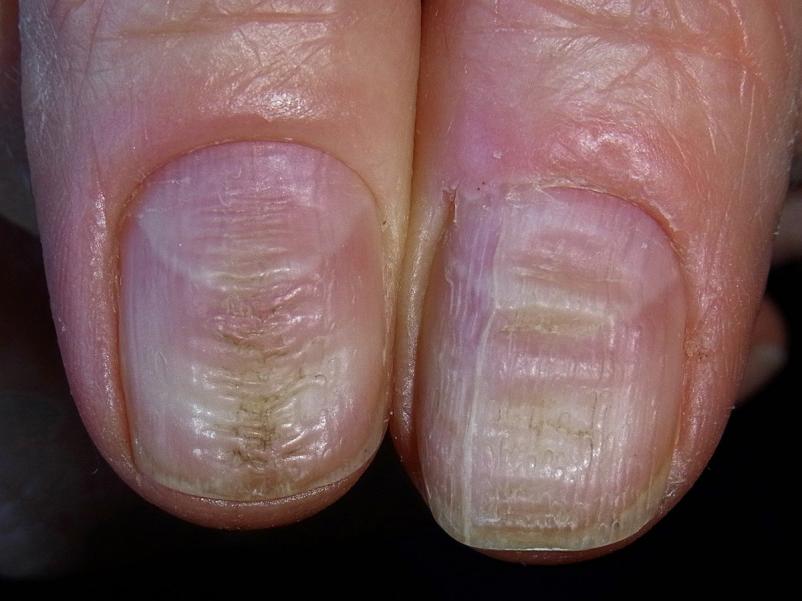
Final Thoughts
Nails can offer fascinating insights into overall health. While many lines, ridges, and streaks are harmless and often related to aging or minor injuries, some changes may occasionally signal nutritional deficiencies, metabolic conditions, or other underlying health concerns.
Vertical ridges, horizontal grooves, white lines, and dark streaks each have different possible explanations. Most are not dangerous, but persistent, unusual, or rapidly changing nail abnormalities should not be ignored.
Paying attention to your nails is not about becoming alarmed by every small change. Instead, it is about recognizing that the body often provides subtle clues about its health. When something looks unusual or continues to change over time, discussing it with a healthcare professional can provide clarity, reassurance, and, when necessary, early intervention.