You May Want to Avoid Ginger If You Have These Five Health Conditions
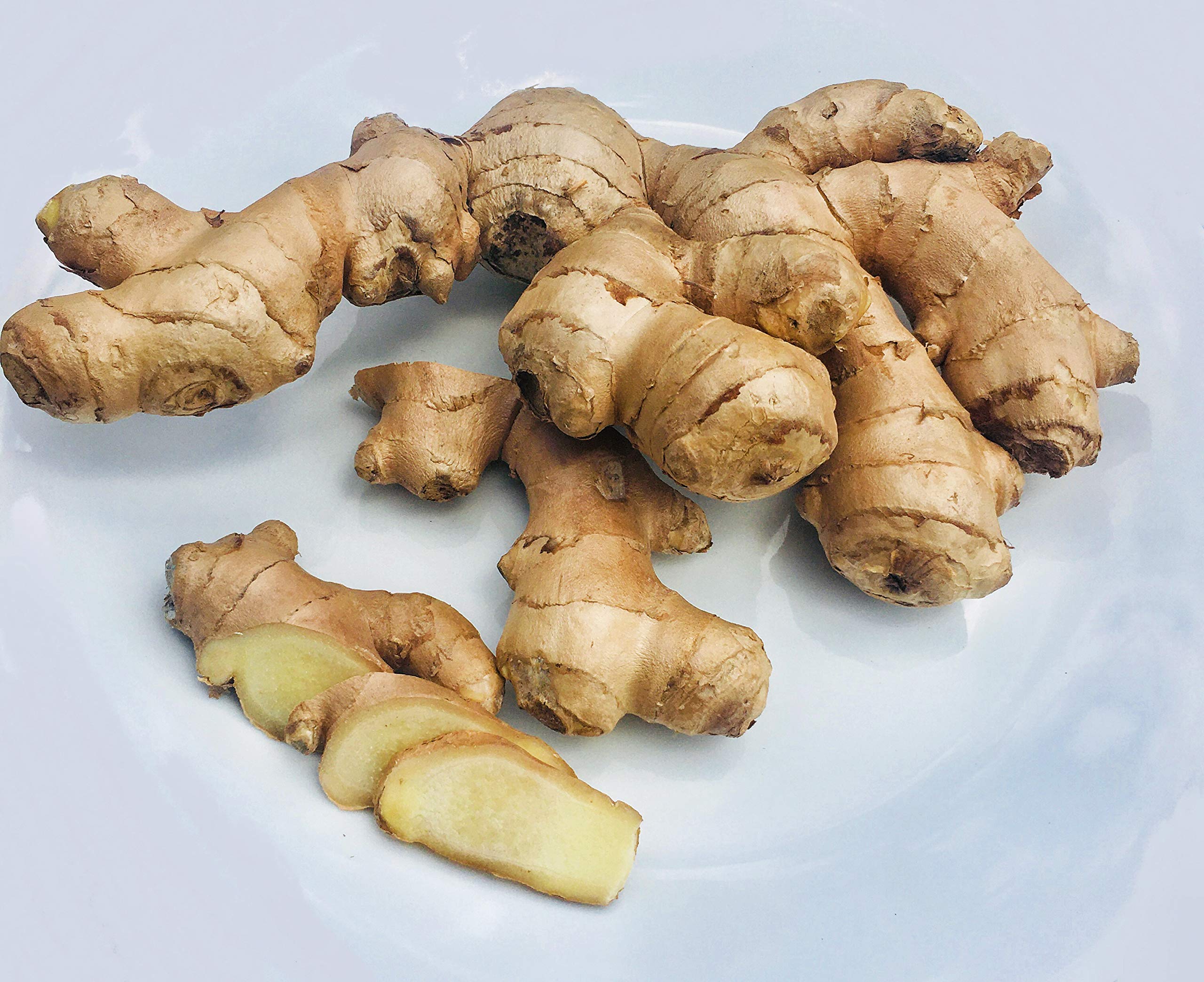
Ginger has been used for centuries in traditional medicine and is widely praised for its powerful health benefits. Many people consume ginger tea, fresh ginger, or ginger supplements to help with digestion, nausea, inflammation, and colds.
Modern research also suggests that ginger contains beneficial compounds such as gingerol, which may have antioxidant and anti-inflammatory properties. However, despite its many advantages, doctors warn that ginger is not suitable for everyone.
For certain individuals, consuming large amounts of ginger may worsen symptoms, interact with medications, or create unexpected health risks.
Here are five health conditions where extra caution with ginger may be necessary.
1. Bleeding Disorders
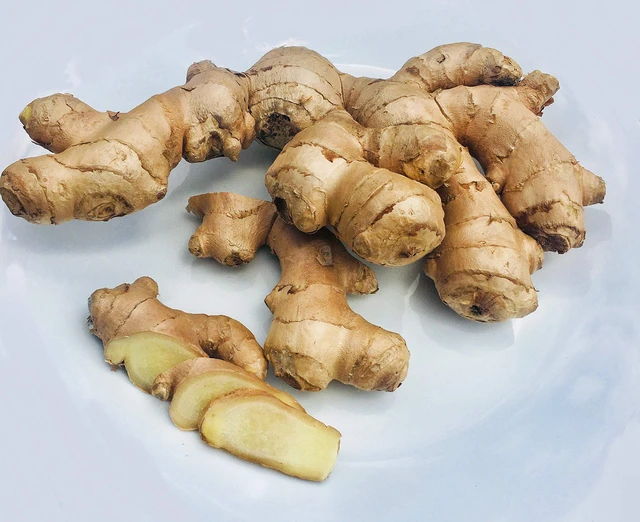
Ginger may naturally thin the blood and slow blood clotting. While this effect may benefit some people, it can be risky for individuals with bleeding disorders such as hemophilia or those who bruise easily.
Doctors also warn that consuming large amounts of ginger while taking blood-thinning medications may increase the risk of bleeding.
These medications include:
- Warfarin
- Aspirin
- Clopidogrel
- Certain anti-inflammatory drugs
What experts recommend:
If you have a bleeding disorder or take anticoagulant medications, consult a healthcare professional before using ginger supplements regularly.
2. Gallstones or Gallbladder Problems
Ginger may stimulate bile production, which helps digestion. However, for people with gallstones or gallbladder disease, increased bile flow could potentially trigger discomfort or complications.
Some doctors advise patients with gallbladder issues to avoid excessive ginger intake unless approved by their physician.
Possible symptoms to watch for:
- Abdominal pain
- Nausea
- Digestive discomfort after eating
3. Low Blood Pressure

Ginger may help relax blood vessels and improve circulation. While this may sound beneficial, it could become a problem for people who already have low blood pressure.
In some cases, excessive ginger consumption may cause:
- Dizziness
- Lightheadedness
- Fainting
- Weakness
People taking medication for high blood pressure should also be careful, since ginger may enhance the effects of those drugs.
Expert advice:
Moderation is important, especially if you often experience low blood pressure symptoms.
4. Diabetes Treated with Medication
Some studies suggest ginger may help lower blood sugar levels. Although this may benefit certain people, combining large amounts of ginger with diabetes medications could potentially cause blood sugar to drop too low.
Low blood sugar may lead to:
- Sweating
- Confusion
- Shaking
- Rapid heartbeat
- Fatigue
Important note:
People with diabetes should monitor blood sugar carefully and speak with their doctor before using concentrated ginger supplements.
5. Acid Reflux or Sensitive Stomach
Ginger is often recommended for nausea and digestion, but in some individuals, it may actually irritate the stomach when consumed excessively.
Large amounts of ginger may worsen symptoms such as:
- Heartburn
- Acid reflux
- Stomach irritation
- Burning sensations
This is especially true for people with sensitive digestive systems.
Safer approach:
Small amounts are usually better tolerated than concentrated supplements or very strong ginger drinks.
The Benefits of Ginger in Moderation
Despite these warnings, ginger remains a nutritious and beneficial ingredient for many people when consumed appropriately.
Research suggests ginger may help:
- Reduce nausea
- Support digestion
- Ease inflammation
- Relieve cold symptoms
- Support immune health
The key is moderation and understanding your own health condition.
Final Thoughts
Ginger is often considered a natural remedy, but “natural” does not always mean completely safe for everyone. Certain health conditions and medications may interact negatively with excessive ginger consumption.
If you have chronic medical conditions or take prescription medications, doctors recommend discussing regular ginger use with a healthcare professional.
Paying attention to how your body responds — and consuming ginger in moderation — may help you enjoy its benefits more safely.
Sources
- Mayo Clinic
- National Center for Complementary and Integrative Health (NCCIH)
- Harvard T.H. Chan School of Public Health
- Cleveland Clinic