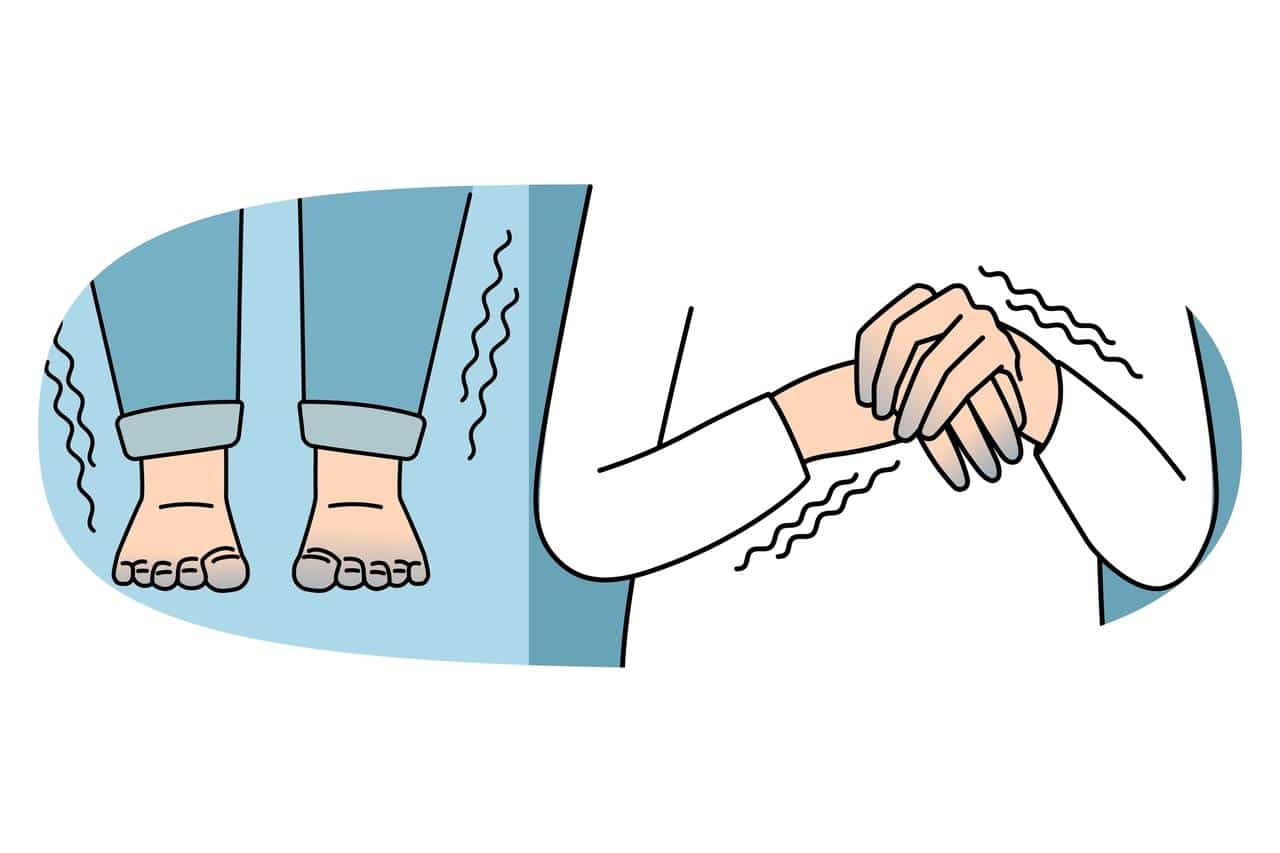
Heaviness, coldness, or tingling in the legs are sensations many people experience at some point. While they are often temporary and harmless - such as after sitting in one position for too long - persistent or recurring symptoms may signal an underlying issue.
Because your legs rely on a complex system of blood vessels, nerves, and muscles, even small disruptions can lead to noticeable changes in sensation. Understanding the possible causes can help you decide when it’s something minor and when it may require medical attention.
1. Poor Blood Circulation
One of the most common causes of cold or heavy legs is reduced blood flow.
What happens:
- Blood does not circulate efficiently to the lower limbs
- Oxygen and nutrients are delivered less effectively
Symptoms may include:
- Cold feet or legs
- Numbness or tingling
- A feeling of heaviness or fatigue
This can occur after prolonged sitting, but if persistent, it may be linked to circulatory conditions.
2. Peripheral Neuropathy (Nerve Issues)
Tingling or “pins and needles” sensations are often related to nerve function.
Possible causes:
- Diabetes
- Vitamin deficiencies (especially B vitamins)
- Nerve compression
What it feels like:
- Burning or tingling
- Numbness
- Sensitivity to touch
Nerve-related issues may develop gradually and worsen over time.
3. Varicose Veins
Varicose veins occur when veins become enlarged and weakened, affecting blood flow.
Common signs:
- Heavy or aching legs
- Visible, twisted veins
- Swelling, especially after standing
This condition is more noticeable after long periods of standing or at the end of the day.

4. Sitting or Standing Too Long
Lifestyle habits can play a major role.
What happens:
- Blood pools in the lower legs
- Nerves may become compressed
Result:
- Temporary tingling
- A heavy or stiff feeling
This is usually relieved by movement or changing position.
5. Cold Exposure
Cold temperatures can affect how your body distributes blood.
Why:
- Blood vessels constrict to conserve heat
- Less blood reaches the extremities
This can cause your legs and feet to feel unusually cold.
6. Dehydration or Electrolyte Imbalance
Your muscles and nerves depend on proper hydration and mineral balance.
Possible symptoms:
- Muscle cramps
- Tingling
- Weakness
Low levels of electrolytes like potassium or magnesium can affect nerve signals.
7. More Serious Circulatory Conditions
In some cases, these symptoms may be linked to more serious conditions such as:
- Peripheral artery disease (PAD)
- Blood clots
- Cardiovascular issues
Warning signs include:
- Persistent pain while walking
- Sudden swelling in one leg
- Severe coldness or color changes
These require immediate medical attention.
When Should You Be Concerned?
You should seek medical advice if:
- Symptoms are frequent or worsening
- One leg is significantly different from the other
- There is swelling, redness, or pain
- You experience weakness or difficulty walking
Early evaluation can help prevent complications.
How to Improve Leg Comfort
For mild or occasional symptoms, simple habits can help:
- Move regularly—avoid sitting or standing too long
- Elevate your legs when resting
- Stay hydrated
- Maintain a balanced diet
- Wear comfortable clothing and footwear

The Bottom Line
Heaviness, coldness, or tingling in your legs may be temporary, but they can also be your body’s way of signaling an underlying issue—especially if they persist. From circulation problems to nerve-related conditions, these symptoms should not be ignored when they become frequent or severe.
Listening to your body and taking action early can help you maintain better mobility, comfort, and overall health.