One person may move frequently, snore, breathe loudly, or prefer a different sleeping temperature.
Turning away can be a simple way to reduce visual stimulation, avoid unnecessary contact, or find a position that feels more comfortable.
For example, someone who is sensitive to movement may prefer sleeping on the opposite side of the bed to avoid being disturbed when their partner changes position.
Others may find that facing away helps them relax because they are less aware of another person's movements.
Sleep deprivation can also affect relationship satisfaction.
People who regularly experience poor sleep may become more irritable, impatient, or emotionally sensitive during the day.
Therefore, respecting each other's sleep needs can actually support a healthier relationship.
The deeper meaning: Your partner may be prioritizing rest, not rejecting intimacy. Good sleep benefits both individuals and the relationship.
5. They Still Want Emotional Closeness but Express It Differently
Not everyone expresses affection in the same way.
Some people enjoy physical touch, while others show love through practical support, thoughtful gestures, conversation, or spending quality time together.
Your partner may not feel the need to sleep face-to-face to experience emotional intimacy.
They may express affection in ways that are less obvious at night.
For example:
-
They prepare your morning coffee.
-
They ask about your day.
-
They remember small details about your preferences.
-
They support you when you feel overwhelmed.
-
They make time for activities you enjoy.
-
They check whether you are comfortable before going to sleep.
These behaviors can communicate care more meaningfully than a particular sleeping position.
A person can sleep with their back toward their partner and still feel deeply connected.
The important question is whether affection and consideration remain present in everyday life.
The deeper meaning: Emotional intimacy is built through consistent actions, communication, and mutual care—not simply through physical positioning in bed.
6. They May Be Experiencing Stress or Emotional Exhaustion
Stress can influence how people behave, including how they sleep.
Someone dealing with work pressure, financial concerns, family responsibilities, or personal problems may become quieter and less physically affectionate.
They may turn away because they are mentally exhausted and want to fall asleep without interaction.
This does not necessarily mean they are upset with you.
Sometimes, people withdraw slightly when they feel overwhelmed because they do not have enough emotional energy to communicate what they are experiencing.
For example, your partner may have spent the entire day dealing with difficult situations at work.
By the time they get into bed, they may simply want silence.
If this behavior is accompanied by irritability, reduced conversation, or unusual tiredness, it may be worth asking how they are doing.
Rather than assuming the problem is your relationship, create an opportunity for an honest conversation.
You might say:
"I've noticed you've seemed a little distant lately. Is something stressing you out? I'm here if you want to talk."
The deeper meaning: Sometimes, physical distance reflects internal stress rather than a problem between partners.
7. They May Be Emotionally Distancing Themselves
Although sleeping with their back toward you does not prove anything negative, a noticeable change in sleeping habits can sometimes occur alongside emotional distance.
For example, perhaps your partner previously enjoyed cuddling, talking before bed, and reaching for you during the night.
Now, they consistently avoid physical contact, rarely initiate affection, and seem uninterested in spending time together.
The sleeping position alone is not the issue.
The broader pattern may be worth discussing.
Emotional distance can develop for many reasons, including unresolved conflict, chronic stress, disappointment, communication difficulties, or changing relationship needs.
Sometimes, partners become less affectionate because they feel unheard or misunderstood.
In other situations, they may be struggling with personal issues that have nothing to do with the relationship.
The healthiest response is not to make accusations based on body positioning.
Instead, focus on observable changes.
Ask whether something has changed between you, listen without immediately becoming defensive, and discuss what both people need.
The deeper meaning: A persistent change in affection and communication deserves attention, but a sleeping position alone cannot establish emotional withdrawal.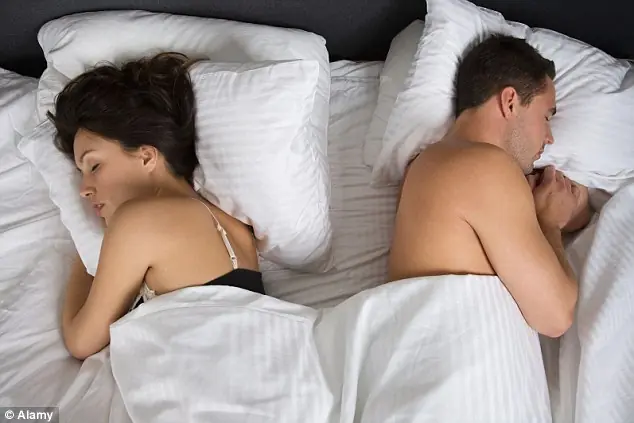
8. They May Be Trying to Avoid Uncomfortable Physical Contact
Sometimes, a person turns away because physical contact during sleep is uncomfortable.
Perhaps they feel too warm when cuddling. Maybe your hair, arms, or legs repeatedly get in the way.
Some people also dislike having their face close to another person's face while sleeping because they feel restricted or distracted.
This does not mean they dislike affection.
They may simply prefer cuddling before bedtime rather than throughout the night.
Physical comfort matters, especially when people share a bed for many years.
A healthy couple does not have to maintain the same sleeping position every night.
They can enjoy affection while respecting each other's physical boundaries.
The deeper meaning: A preference for less physical contact during sleep does not necessarily translate into less affection during waking hours.
9. They May Be Protecting Their Sleep Because of Physical Discomfort
Pain and medical conditions can influence sleeping positions.
Your partner may turn away because lying in another position causes discomfort.
Common examples include: