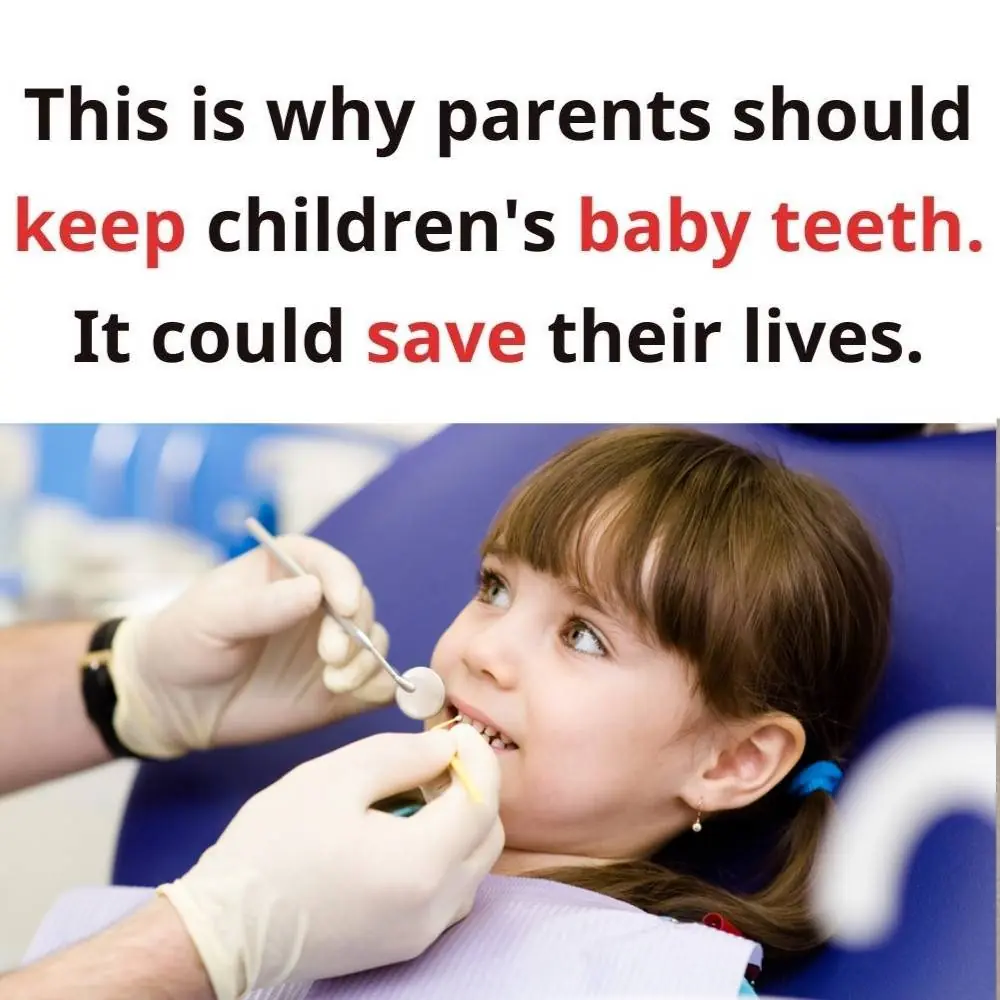
Preserving your child's baby teeth might seem unusual or unnecessary, but what if those small teeth could one day save a life? Traditionally seen as sentimental keepsakes, modern science now reveals that baby teeth hold incredible medical potential. This article explores why keeping baby teeth could be a profoundly impactful decision for parents.
1. Historical and Cultural Roots
Across cultures, keeping baby teeth has been a practice steeped in tradition and meaning. Historically, they were regarded as tokens of good luck or mementos of childhood. In some societies, baby teeth were even believed to have magical powers. While the emotional value endures, today’s scientific advancements highlight their significant medical potential.
2. The Science of Stem Cells
Stem cells are extraordinary because they can transform into various cell types in the body, aiding in tissue growth, repair, and maintenance. Baby teeth are a rich source of mesenchymal stem cells (MSCs), a type of adult stem cell capable of developing into bone, cartilage, and fat cells.
3. Medical Breakthroughs in Baby Teeth
Recent research underscores the medical promise of stem cells found in baby teeth. These cells are being explored for their potential to regenerate tissues, treat autoimmune diseases, and repair damaged organs. The dental pulp inside baby teeth serves as a repository for these powerful cells, unlocking possibilities in regenerative medicine and personalized therapies.
4. Safeguarding the Future with Stem Cell Banking
Stem cell banking involves collecting and cryogenically preserving stem cells for future use. The process is safe and minimally invasive: a child’s loose tooth can be sent to a specialized facility where stem cells are harvested from the dental pulp and stored under strict conditions.
5. Treatable Conditions and Emerging Applications
Stem cells from baby teeth show promise in addressing conditions like Type 1 diabetes, heart disease, Alzheimer’s, and Parkinson’s disease. They are also being studied for their potential in treating spinal cord injuries, bone defects, and certain cancers. Ongoing research continues to uncover new applications for these cells in medicine.
6. Ethical Implications and Accessibility
While using stem cells from baby teeth is less controversial than embryonic stem cells, ethical questions remain. Topics like commercialization, consent, and accessibility are debated in the medical community. However, the consensus generally supports the ethical use of baby tooth stem cells due to their safe and non-invasive collection process.
In preserving baby teeth, parents may be safeguarding their child’s future health. What was once a simple keepsake now holds the potential to revolutionize medical care, making baby teeth invaluable beyond sentiment.