In the corners of the globe where human laughter echoes louder than the calls of the wild, there lie zoos that stand as grim reminders of the dark side of human entertainment. These establishments, far from being sanctuaries of conservation and learning, have morphed into arenas where animals are subjected to maltreatment for the sake of human amusement, often paying with their very lives.
The plight of these animals is not just a tale of isolated incidents but a systemic issue that spans continents. From cramped cages in Asia, where big cats pace restlessly back and forth, to the makeshift enclosures in parts of Africa where primates are displayed with little regard for their complex social needs, the story remains heartbreakingly consistent. In Europe and the Americas, too, there are facilities where animals are made to perform demeaning tricks under the guise of education and entertainment, their spirits broken by the relentless cycle of performances.
One of the most distressing aspects of this exploitation is the physical and psychological toll on the animals. Many exhibit signs of severe distress, including stereotypic behaviors such as pacing, self-mutilation, and excessive grooming. These behaviors are not seen in their wild counterparts and are clear indicators of the mental anguish caused by their confinement and treatment.
Moreover, the use of animals for entertainment often involves cruel training methods to ensure compliance. Behind the scenes, away from the public eye, animals are subjected to punishment-based training techniques that can involve physical abuse, starvation, and psychological torment. The scars left by such treatment are not always visible but are no less profound.
The consequences of this mistreatment are not just ethereal; they are starkly tangible. Numerous reports have surfaced over the years of animals dying prematurely due to neglect, inadequate care, or the direct result of their exploitation. These deaths are a tragic testament to the cost of their use for entertainment—a cost measured in lives cut short.
Despite the bleak picture painted, there is a glimmer of hope. Public awareness and concern for animal welfare have never been higher. Advocacy groups and concerned citizens worldwide are calling for change, demanding the closure of facilities that mistreat animals and pushing for the implementation of strict animal welfare standards.
Some zoos have responded positively to these calls, transforming into conservation-focused institutions that prioritize the well-being of their inhabitants over public amusement. These facilities are leading the way in demonstrating that it is possible to educate and inspire without causing harm, offering hope that the future of zoos can be one where animals live in environments that respect their needs and natural behaviors.
The road to reform is long and fraught with challenges, but it is a journey that must be undertaken for the sake of the countless animals still suffering in silence. It is a call to action for societies worldwide to reconsider the cost of their amusement and to choose compassion over cruelty. Only then can we begin to undo the harm that has been done and move towards a world where the laughter of children at zoos echoes against a backdrop of genuine animal welfare and respect.
In the corners of the globe where human laughter echoes louder than the calls of the wild, there lie zoos that stand as grim reminders of the dark side of human entertainment. These establishments, far from being sanctuaries of conservation and learning, have morphed into arenas where animals are subjected to maltreatment for the sake of human amusement, often paying with their very lives.
The plight of these animals is not just a tale of isolated incidents but a systemic issue that spans continents. From cramped cages in Asia, where big cats pace restlessly back and forth, to the makeshift enclosures in parts of Africa where primates are displayed with little regard for their complex social needs, the story remains heartbreakingly consistent. In Europe and the Americas, too, there are facilities where animals are made to perform demeaning tricks under the guise of education and entertainment, their spirits broken by the relentless cycle of performances.
One of the most distressing aspects of this exploitation is the physical and psychological toll on the animals. Many exhibit signs of severe distress, including stereotypic behaviors such as pacing, self-mutilation, and excessive grooming. These behaviors are not seen in their wild counterparts and are clear indicators of the mental anguish caused by their confinement and treatment.
Moreover, the use of animals for entertainment often involves cruel training methods to ensure compliance. Behind the scenes, away from the public eye, animals are subjected to punishment-based training techniques that can involve physical abuse, starvation, and psychological torment. The scars left by such treatment are not always visible but are no less profound.
The consequences of this mistreatment are not just ethereal; they are starkly tangible. Numerous reports have surfaced over the years of animals dying prematurely due to neglect, inadequate care, or the direct result of their exploitation. These deaths are a tragic testament to the cost of their use for entertainment—a cost measured in lives cut short.
Despite the bleak picture painted, there is a glimmer of hope. Public awareness and concern for animal welfare have never been higher. Advocacy groups and concerned citizens worldwide are calling for change, demanding the closure of facilities that mistreat animals and pushing for the implementation of strict animal welfare standards.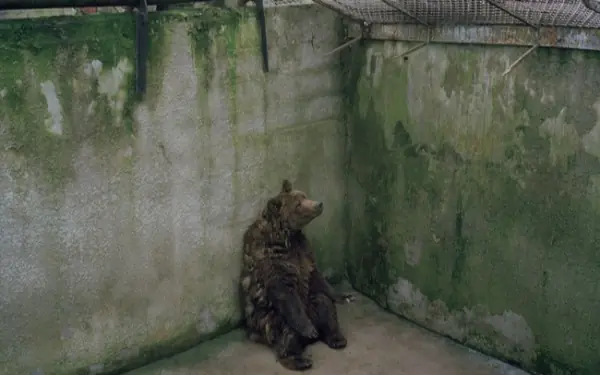
Some zoos have responded positively to these calls, transforming into conservation-focused institutions that prioritize the well-being of their inhabitants over public amusement. These facilities are leading the way in demonstrating that it is possible to educate and inspire without causing harm, offering hope that the future of zoos can be one where animals live in environments that respect their needs and natural behaviors.
The road to reform is long and fraught with challenges, but it is a journey that must be undertaken for the sake of the countless animals still suffering in silence. It is a call to action for societies worldwide to reconsider the cost of their amusement and to choose compassion over cruelty. Only then can we begin to undo the harm that has been done and move towards a world where the laughter of children at zoos echoes against a backdrop of genuine animal welfare and respect.