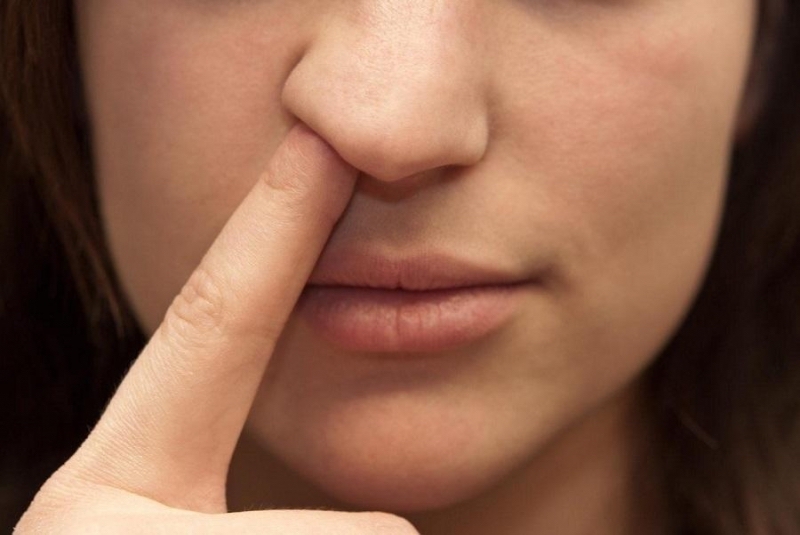
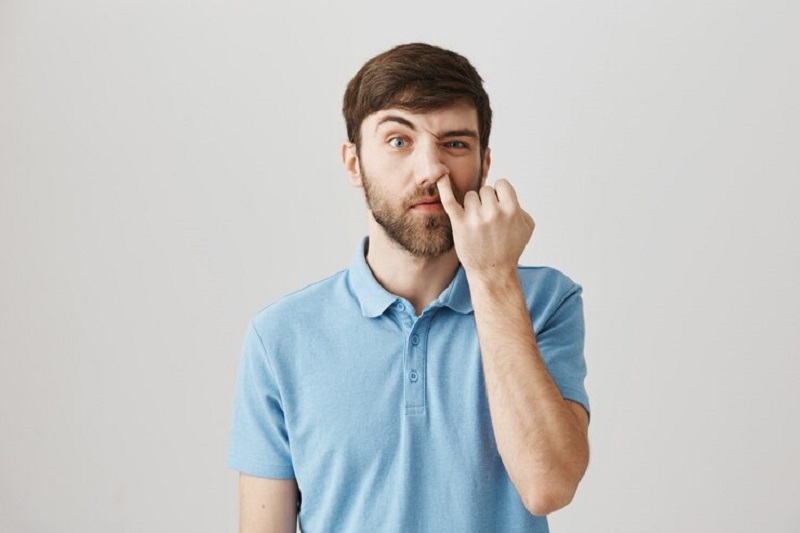
Nose picking is one of those habits many people do occasionally but rarely talk about. For some, it's simply a quick way to remove dried mucus or clear a blocked nostril. For others, it can become a repetitive habit that happens almost automatically, especially when they're stressed, bored, or concentrating.
But is nose picking completely harmless?
Not necessarily.
Occasional, gentle cleaning of the nose is unlikely to cause serious health problems. However, frequent or aggressive nose picking can damage the delicate lining inside the nostrils, cause bleeding, create sores, and potentially introduce bacteria into damaged tissue.
Researchers have also investigated a much more intriguing question: whether bacteria entering the nasal passages could potentially reach the nervous system and contribute to processes associated with certain brain diseases.
Some experimental research has raised questions about a possible connection between nasal exposure to microorganisms and Alzheimer's disease-related changes in the brain. However, this research does not prove that nose picking causes Alzheimer's disease, and there is currently no evidence that simply picking your nose will cause dementia.
So what's actually known?
Let's separate the legitimate health concerns from the alarming headlines.
1. Your Nose Is More Than Just an Airway
The nose plays an important role in protecting the body.
Every breath brings air into the nasal passages containing:
-
Dust
-
Pollen
-
Viruses
-
Bacteria
-
Fungal particles
-
Other environmental particles
The nose helps filter and humidify this air before it reaches the lower respiratory tract.
Tiny hairs and mucus trap particles, while the lining of the nose contains immune defenses that help deal with microorganisms.
That means the inside of your nose is part of your body's first line of defense.
Repeatedly disturbing that protective environment isn't necessarily a good idea.
2. Your Fingernails Can Carry Microorganisms
Your hands come into contact with countless surfaces throughout the day.
You may touch:
-
Door handles
-
Phones
-
Keyboards
-
Desks
-
Shopping carts
-
Money
-
Bathroom surfaces
-
Other people's hands
Even with regular handwashing, microorganisms can remain on the skin and beneath fingernails.
When you put a finger inside your nose, those microorganisms can potentially be transferred to the nasal lining.
Most of the time, the immune system handles these exposures without a problem.
But if the tissue is scratched or damaged, bacteria may have an easier opportunity to cause an infection.
3. Frequent Nose Picking Can Damage the Nasal Lining
The inside of your nose is lined with delicate tissue.
Repeated scratching or rubbing can cause:
-
Small cuts
-
Irritation
-
Inflammation
-
Scabs
-
Bleeding
-
Soreness
You may not even notice the initial injury.
But once a small scab forms, you may feel tempted to remove it.
That creates a cycle:
Dryness → picking → irritation → scab → more picking → further irritation
Breaking this cycle can help the nasal tissue heal.
4. Nosebleeds Are One of the Most Common Problems
The front part of the nasal septum contains many small blood vessels.
This area is particularly vulnerable to trauma.
Aggressive nose picking can break these vessels and cause a nosebleed.
The risk may be higher if you already have:
-
Dry nasal passages
-
Allergies
-
A cold
-
Frequent nose blowing
-
Use of certain nasal medications
-
A tendency toward nosebleeds
If your nose frequently bleeds after picking, that's a good reason to stop irritating the tissue.
5. Bacteria Can Colonize the Nose
The nose naturally contains microorganisms.
One commonly carried bacterium is Staphylococcus aureus.
Many people carry these bacteria without becoming sick.
However, when the skin or mucous membrane is damaged, bacteria can potentially enter tissue and cause infection.
Possible symptoms of a localized nasal infection include:
-
Increasing soreness
-
Redness
-
Swelling
-
Crusting
-
Pus
-
Tenderness
-
Persistent irritation
If these symptoms develop or worsen, medical evaluation may be appropriate.
6. Nose Picking Can Cause Nasal Vestibulitis
Nasal vestibulitis is an infection or inflammation affecting the entrance of the nose.
It can sometimes develop after repeated irritation, nose picking, or excessive nose blowing.
Possible symptoms include:
-
Pain near the nostril opening
-
Redness
-
Swelling
-
Crusting
-
Small sores
-
Bleeding
Treatment depends on the cause and severity.
A healthcare professional may recommend topical or oral medication when bacterial infection is present.
7. In Rare Cases, Infection Can Become More Serious
Most minor nasal irritation remains minor.
But infections in the central area of the face can occasionally become more serious, particularly if bacteria spread into deeper tissues.
This is uncommon, but it is one reason not to repeatedly squeeze, scratch, or manipulate painful sores inside the nose.
Seek medical care if you develop:
-
Rapidly worsening swelling
-
Severe pain
-
Fever
-
Facial swelling
-
Redness spreading around the nose
-
Severe headache
-
Vision changes
These symptoms require professional assessment.
8. What About the Brain?
This is where the topic becomes much more interesting.
The nasal cavity has anatomical connections to the nervous system.
The olfactory system, which allows us to detect smells, connects the nasal region with areas of the brain involved in smell processing.
Researchers have therefore investigated whether certain microorganisms could potentially travel from the nasal environment toward the brain through neural pathways.
This has led to questions about whether some infections or inflammatory responses could contribute to neurological disease.
But this remains an active area of research.
9. What Does Alzheimer's Research Actually Show?
Some laboratory and animal studies have investigated microorganisms entering the brain through pathways associated with the nose.
Researchers have explored whether certain infections or inflammatory responses could contribute to changes involving amyloid-beta, a protein associated with Alzheimer's disease.
One frequently discussed example involves Chlamydia pneumoniae, a bacterium that has been studied in relation to brain tissue and Alzheimer's pathology.
However, these findings are far from proving a simple cause-and-effect relationship.
There is currently no established evidence that nose picking causes Alzheimer's disease.
This distinction is extremely important.
10. Animal Studies Are Not the Same as Human Evidence
Some research involving nasal exposure has been performed in laboratory animals.
Animal studies can help researchers understand possible biological mechanisms.
But an experimental finding in mice does not automatically mean the same process causes disease in humans.
To establish that nose picking contributes to Alzheimer's disease, researchers would need strong evidence from human studies demonstrating that the behavior itself increases disease risk.
That evidence does not currently exist.
11. Alzheimer's Disease Is Much More Complicated
Alzheimer's disease does not have one simple cause.
Risk is influenced by multiple factors, including:
-
Age
-
Genetics
-
Cardiovascular health
-
Metabolic health
-
Lifestyle
-
Environmental factors
-
Brain changes
-
Possibly certain infections or inflammatory processes
Researchers continue to investigate how these factors interact.
Reducing Alzheimer's disease to one behavior such as nose picking would be an oversimplification.
12. Why the Nose Is Being Studied in Brain Research
The nose is biologically interesting because of its proximity and connection to the brain.
The olfactory system is unusual compared with many other sensory systems because sensory information travels from receptors in the nasal region into the brain.
Researchers are investigating whether this pathway could potentially be involved in the movement of certain pathogens or inflammatory signals.
This does not mean that ordinary environmental exposure through the nose inevitably causes brain disease.
It simply means that the nasal-brain connection deserves scientific investigation.
13. Losing Your Sense of Smell Is Different
Changes in smell have also attracted attention in neurological research.
Reduced sense of smell can occur in:
-
Viral infections
-
Allergies
-
Nasal polyps
-
Sinus disease
-
Smoking
-
Head injuries
-
Certain neurological conditions
Changes in smell can also occur in people with Parkinson's disease and Alzheimer's disease.
However, loss of smell does not mean that someone has dementia.
It's a nonspecific symptom with many possible causes.
14. Nose Picking Can Become a Compulsive Habit
For some people, nose picking isn't just an occasional behavior.
It can become repetitive or difficult to control.
This may be associated with:
-
Stress
-
Anxiety
-
Boredom
-
Habitual behavior
-
Obsessive-compulsive symptoms
-
Body-focused repetitive behaviors
A person may pick without consciously realizing they're doing it.
Repeated trauma can then create sores, bleeding, and irritation.
If the behavior feels impossible to control despite causing injury, talking with a healthcare professional may help.
15. Stress Can Make the Habit Worse
Many repetitive behaviors become more noticeable during periods of stress.
People may:
-
Bite their nails
-
Scratch their skin
-
Pull their hair
-
Pick at their lips
-
Pick their nose
The behavior may provide temporary relief or sensory satisfaction.
Unfortunately, repeated picking can create physical damage that reinforces the cycle.
Identifying the trigger can be more effective than simply telling yourself to "stop."
16. Dry Air Can Increase the Urge to Pick
Dry environments can cause nasal mucus to become thicker and harder.
This can create:
-
Crusting
-
Irritation
-
A blocked feeling
-
Itching
-
The sensation that something needs to be removed
The person then picks at the crust, which causes more irritation.
This creates a cycle of repeated trauma.
Keeping the nasal passages comfortably moist can sometimes reduce the problem.
17. Saline Spray May Be a Gentler Alternative
If dryness or crusting is the reason you pick your nose, a saline nasal spray can help moisturize the nasal passages.
Saline doesn't contain the same active medications found in many decongestant sprays.
For many people, simple saline can help loosen dried mucus and make it easier to clear the nose gently.
Follow the product instructions and use a clean applicator.
18. Humidity Can Matter
Very dry indoor air can make nasal dryness worse.
This may happen during:
-
Winter
-
Air-conditioned environments
-
Heated rooms
-
Dry climates
A clean humidifier may help some people.
But humidifiers must be cleaned and maintained properly.
A dirty humidifier can release microorganisms or mineral particles into the air, creating a different problem.
19. Don't Use Your Fingernails to Remove Deep Crusts
A fingernail can easily scratch the nasal lining.
If mucus or crust is difficult to remove, try a gentler approach.
You can:
-
Use saline spray
-
Take a warm shower
-
Blow your nose gently
-
Allow mucus to soften naturally
Avoid repeatedly scraping the inside of the nostrils.
20. Nose Picking Can Make Nosebleeds More Likely
Once you've had a nosebleed, the area may form a fragile scab.
Picking the scab can reopen the blood vessel.
This can lead to repeated bleeding.
If you frequently experience nosebleeds, avoid picking and blowing your nose forcefully.
If nosebleeds are recurrent, heavy, or difficult to stop, seek medical advice.
21. What Should You Do During a Nosebleed?
If your nose starts bleeding:
-
Sit upright.
-
Lean slightly forward.
-
Pinch the soft part of your nose.
-
Maintain pressure continuously for around 10–15 minutes.
-
Breathe through your mouth.
Don't tilt your head backward.
If bleeding is severe, follows an injury, causes weakness or dizziness, or doesn't stop with appropriate pressure, seek medical attention.
22. Don't Share Nasal Products
Nasal sprays, applicators, and personal hygiene items shouldn't be shared.
Sharing can potentially transfer microorganisms.
If you use a nasal spray, keep the nozzle clean and follow the manufacturer's instructions.
23. Handwashing Is More Important Than Most People Realize
One of the simplest ways to reduce microbial transfer is regular hand hygiene.
Wash your hands:
-
Before eating
-
After using the bathroom
-
After handling raw food
-
After touching dirty surfaces
-
After coughing or sneezing
-
Before touching your face
Clean hands reduce the amount of bacteria and viruses that can be transferred to your nose, eyes, and mouth.
24. Keep Your Fingernails Clean and Trimmed
Long or dirty fingernails can harbor microorganisms and can cause more physical damage when inserted into the nose.
Keeping nails:
-
Clean
-
Trimmed
-
Smooth
can reduce accidental scratching.
25. Don't Ignore Persistent Nasal Sores
If you have a sore inside your nose that doesn't heal, don't repeatedly pick at it.
Persistent sores can result from:
-
Infection
-
Chronic irritation
-
Dryness
-
Allergies
-
Trauma
-
Other nasal conditions
A healthcare professional can determine the cause.
26. Persistent Nasal Blockage Has Many Causes
If you constantly feel that something is stuck in your nose, the solution isn't necessarily more picking.
Possible causes include:
-
Allergic rhinitis
-
Deviated septum
-
Nasal polyps
-
Chronic sinusitis
-
Enlarged tissues
-
Dryness
Treating the underlying problem can reduce the urge to manipulate the nose.
27. Allergies Can Create a Picking Cycle
Allergies can cause:
-
Itching
-
Sneezing
-
Mucus
-
Nasal congestion
-
Crusting
A person may repeatedly touch or pick the nose because it feels uncomfortable.
Managing allergies appropriately can reduce irritation.
Depending on the condition, treatments may include saline rinses, antihistamines, nasal corticosteroids, or other therapies recommended by a healthcare professional.
28. Be Careful With Nasal Decongestant Sprays
Some decongestant sprays can provide rapid relief from nasal congestion.
But using them for longer than recommended can cause rebound congestion.
This can create a cycle in which the nose feels increasingly blocked.
Always follow product instructions and ask a healthcare professional or pharmacist if you're unsure how long a medication should be used.
29. What About Nasal Rinsing?
Saline nasal irrigation can help remove mucus and allergens from the nasal passages.
However, proper technique matters.
If using a neti pot or similar device, use distilled, sterile, or appropriately boiled and cooled water rather than untreated tap water.
Clean the device thoroughly after use.
Improperly performed nasal irrigation can introduce microorganisms into the nasal passages.
30. Can Nose Picking Cause Dementia?
Based on current evidence:
There is no established evidence that nose picking causes dementia or Alzheimer's disease.
Research has explored possible pathways through which microorganisms might interact with the nervous system, but these studies do not establish that nose picking itself causes neurodegenerative disease.
It's important to distinguish:
Possible biological pathway
from
Proven human cause
Those are very different things.
31. Why Headlines Can Be Misleading
A research study might show that:
"A particular bacterium can reach brain tissue through a particular experimental pathway."
A headline might turn this into:
"Nose picking causes Alzheimer's."
That's a huge leap.
Good scientific interpretation requires asking:
-
Was the research performed in humans?
-
Was it observational or experimental?
-
Was the behavior itself studied?
-
Were other risk factors controlled?
-
Does the study demonstrate causation?
-
Has the finding been replicated?
Without those answers, a dramatic conclusion may be premature.
32. What Researchers Still Need to Learn
Scientists continue to investigate the relationship between:
-
Infection
-
Inflammation
-
The nasal microbiome
-
The immune system
-
The blood-brain barrier
-
Neurodegeneration
These areas may eventually improve our understanding of diseases such as Alzheimer's.
But research is still evolving.
It's perfectly reasonable to say:
"This is an interesting research question."
It's not reasonable to say:
"Nose picking has been proven to cause Alzheimer's."
33. The Realistic Risks of Nose Picking
For most people, the immediate concerns are much more ordinary.
Frequent nose picking can lead to:
Nasal irritation
Bleeding
Crusting
Small wounds
Bacterial infection
Nasal sores
Perforation in extreme or chronic trauma
These are much more established concerns than claims about dementia.
34. How to Break the Habit
If nose picking has become automatic, try identifying when it happens.
Common triggers include:
-
Watching television
-
Working at a computer
-
Driving
-
Reading
-
Feeling anxious
-
Being bored
-
Feeling nasal dryness
Once you identify the trigger, replace the behavior.
For example:
Dry nose → saline spray
Bored hands → stress ball
Automatic picking → keep tissues nearby
Stress → breathing exercise
Small environmental changes can help.
35. Keep Tissues Available
Sometimes people pick because they want to remove mucus immediately.
Keeping tissues nearby gives you a cleaner alternative.
Blow your nose gently rather than repeatedly inserting a finger into the nostril.
Don't blow extremely forcefully, especially when your nose is irritated or bleeding.
36. Treat the Reason Behind the Habit
If you're constantly picking because your nose feels blocked, itchy, or crusty, treating the underlying problem may be more effective than simply trying to suppress the habit.
Possible causes include:
-
Allergies
-
Dry air
-
Sinus problems
-
Nasal polyps
-
Irritation from smoke
-
Certain medications
If symptoms persist, ask a healthcare professional for advice.
37. Children May Need Gentle Guidance
Children commonly pick their noses.
Instead of shaming them, teach simple hygiene:
-
Wash hands
-
Use tissues
-
Blow the nose gently
-
Avoid putting fingers deep into the nostrils
If a child has frequent nosebleeds, persistent sores, or recurrent infections, discuss it with a pediatrician.

38. When Should You See a Doctor?
Consider medical evaluation if you have:
-
Frequent nosebleeds
-
Persistent nasal sores
-
Recurrent nasal infections
-
Significant pain
-
Persistent crusting
-
One-sided nasal blockage
-
A growth or mass
-
Symptoms that don't improve
A doctor may examine the nasal passages to identify the underlying problem.
39. When Is Nasal Bleeding an Emergency?
Seek urgent medical attention if:
-
Bleeding is heavy
-
Bleeding continues despite proper pressure
-
You feel faint or weak
-
You have difficulty breathing
-
The bleeding follows a serious injury
-
You take blood-thinning medication and cannot control the bleeding
Don't repeatedly pick or manipulate the nose while it's bleeding.
40. The Bottom Line
Is nose picking completely harmless?
Not always.
Occasional gentle cleaning is unlikely to cause serious problems, but frequent or aggressive nose picking can damage the nasal lining and increase the risk of:
-
Nosebleeds
-
Irritation
-
Crusting
-
Nasal sores
-
Local bacterial infections
Researchers have also investigated whether microorganisms entering through the nasal passages could potentially interact with pathways involved in neurological disease.
But this research does not prove that nose picking causes Alzheimer's disease or dementia.
The most sensible approach is therefore not to panic over sensational headlines.
Instead:
Keep your hands clean.
Keep your fingernails trimmed.
Avoid aggressive picking.
Use saline when dryness is a problem.
Treat allergies or chronic congestion appropriately.
Seek medical advice for persistent sores, bleeding, or unusual nasal symptoms.
Final Thoughts
Nose picking may seem like a harmless little habit, and for most people, an occasional touch isn't something to worry about.
The bigger concern is repeated, aggressive picking that damages the tissue.
Your nose has its own protective system of mucus, hairs, blood vessels, and immune defenses. Constantly disturbing that system can cause problems that are much more concrete than the dramatic claims often seen online.
As for the possible connection between nose picking, microorganisms, and Alzheimer's disease, the science is still being investigated. There are intriguing hypotheses and experimental findings, but there is currently no evidence that ordinary nose picking causes Alzheimer's disease.
So don't panic—but do take care of your nose.
If your nose is dry, itchy, blocked, repeatedly bleeding, or developing sores, address the underlying problem instead of repeatedly reaching for your finger.