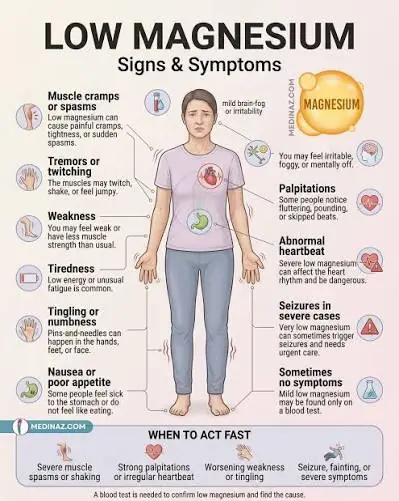
Your Body May Be Warning You About Low Magnesium — Here Are 32 Signs to Watch For
👀 Your Body Could Be Crying Out for Magnesium — 32 Signs You Should Know
⏱️ 1 min read 08/08/2026 18:38
A growing waistline is easy to blame on weight gain. Maybe you've been eating more, exercising less, or simply noticing changes that come with age.
But not every increase in abdominal size is caused by body fat.
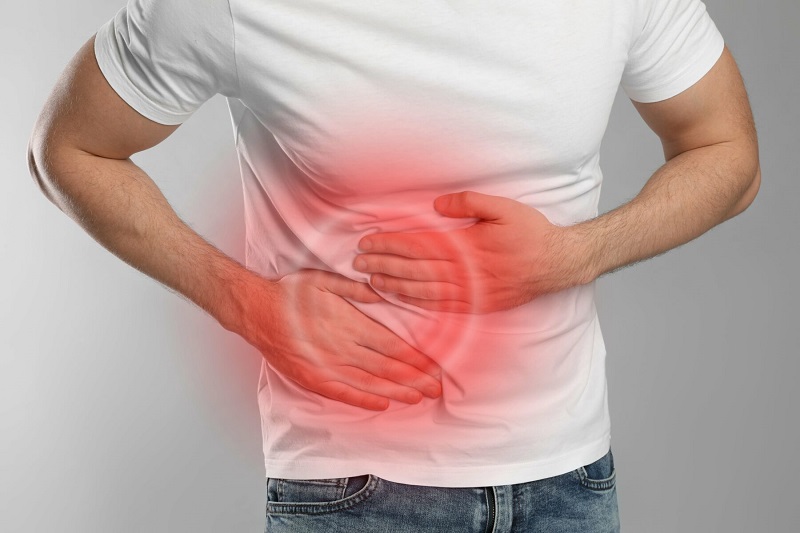
The abdomen can become larger for many reasons, including bloating, constipation, fluid accumulation, pregnancy, certain digestive conditions, enlarged organs, and other medical problems. In some cases, abdominal swelling can be associated with liver disease, particularly when advanced liver disease causes fluid to accumulate in the abdomen.
That doesn't mean every large or protruding belly is a sign of liver disease. In fact, excess abdominal fat is much more common. The important thing is learning to recognize patterns that may suggest something other than ordinary weight gain.

Body fat develops when the body stores excess energy.
Some of this fat is stored beneath the skin, known as subcutaneous fat. Another type, called visceral fat, accumulates around internal organs.
Both can contribute to an increased waist circumference.
Abdominal swelling, however, can have a completely different cause.
One important example is ascites, a buildup of fluid inside the abdominal cavity. Ascites can occur in people with advanced liver disease, particularly cirrhosis.
Unlike ordinary fat accumulation, ascites represents fluid rather than additional body fat.
One clue is the timeline.
Fat accumulation generally happens gradually over weeks, months, or years.
You may notice:
Your clothes becoming tighter
A gradually increasing waist circumference
Weight increasing on the scale
More fat around the abdomen, hips, or other areas
If your weight and waistline have increased progressively alongside changes in diet or activity, ordinary weight gain may be a likely explanation.
However, sudden abdominal enlargement deserves more attention.
If your abdomen becomes noticeably larger over a short period without a clear explanation, don't automatically assume you've gained fat.
Rapid abdominal expansion may occur with:
Significant bloating
Constipation
Fluid accumulation
Certain digestive problems
Pregnancy
Internal bleeding in some circumstances
Other medical conditions
The cause cannot be determined by appearance alone.
If your abdomen is rapidly enlarging, particularly when accompanied by pain or breathing difficulty, seek medical evaluation.
Ascites is fluid accumulation in the abdominal cavity.
When substantial, it may cause the abdomen to appear:
Enlarged
Rounded
Tight
Heavy
Some people describe a feeling of abdominal fullness or pressure.
The abdomen may become increasingly uncomfortable as fluid accumulates.
Importantly, ascites is not simply "water weight." It can be a sign of an underlying medical condition that needs evaluation.
This is an important distinction.
A swollen abdomen can have many causes.
For example:
Gas
Constipation
Food intolerance
Irritable bowel syndrome
Excessive sodium intake
Hormonal changes
Pregnancy
Certain medications
Liver disease is only one possibility.
Therefore, seeing a larger abdomen doesn't mean that your liver is failing.
Another useful clue is whether the change is limited to the abdomen.
With ordinary weight gain, fat may accumulate in multiple areas, such as:
Abdomen
Hips
Thighs
Buttocks
Arms
Face
With fluid retention caused by certain medical conditions, swelling may occur in other areas as well.
For example, advanced liver disease can sometimes cause swelling of the:
Legs
Ankles
Feet
This can occur alongside abdominal fluid accumulation.
If an enlarged abdomen is accompanied by persistent swelling in the lower legs or ankles, it may warrant medical evaluation.
Edema can occur for many reasons, including:
Heart problems
Kidney disease
Liver disease
Certain medications
Venous circulation problems
Again, swelling doesn't identify the cause by itself.
But the combination of abdominal enlargement and leg swelling is worth discussing with a healthcare professional.
Some liver conditions can cause jaundice, which makes the skin or whites of the eyes appear yellow.
Jaundice occurs when bilirubin accumulates in the body.
If abdominal enlargement occurs together with:
Yellow eyes
Yellow skin
Dark urine
Pale or clay-colored stool
medical evaluation is particularly important.
These symptoms can indicate problems involving the liver or bile ducts.
People with advanced liver disease may develop abnormalities involving blood clotting and platelet function.
As a result, some individuals may bruise or bleed more easily.
If you notice unexplained:
Bruising
Nosebleeds
Bleeding gums
Prolonged bleeding
alongside abdominal swelling, speak with a healthcare professional.
There are many other possible causes of easy bruising, so it should not automatically be attributed to the liver.
Fatigue is common and can result from:
Poor sleep
Stress
Anemia
Infections
Thyroid disorders
Depression
Nutritional deficiencies
Many other conditions
However, persistent or unexplained fatigue accompanied by abdominal swelling may warrant evaluation.
People with chronic liver disease can experience significant fatigue, particularly as disease progresses.
This is one of the more important differences to understand.
Someone can have a larger abdomen while losing weight elsewhere.
In advanced illness, a person may lose muscle and body fat while developing abdominal fluid accumulation.
This can create the impression of a growing belly despite an overall decline in body weight.
Unintentional weight loss should always be discussed with a healthcare professional, especially if it occurs together with:
Abdominal swelling
Persistent nausea
Poor appetite
Weakness
Fatigue
Fat accumulation doesn't necessarily cause significant abdominal pressure.
Ascites and other forms of abdominal distension may produce:
Fullness
Pressure
Tightness
Discomfort
Reduced appetite
As abdominal fluid increases, some people may feel full after eating relatively small amounts.
A severely distended abdomen can push upward against the diaphragm.
This may make breathing more difficult, especially when lying down.
Shortness of breath can have many causes, including:
Heart disease
Lung disease
Anxiety
Obesity
Anemia
But new or significant breathing difficulty accompanied by rapidly increasing abdominal swelling requires medical attention.
If your abdomen has increased gradually alongside overall weight gain, lifestyle changes may be appropriate.
But if your abdomen suddenly becomes much larger, simply starting an aggressive diet may not address the underlying problem.
The first step should be understanding why the abdomen is enlarging.
A healthcare professional may start with a physical examination and medical history.
They may ask:
How quickly did the abdomen enlarge?
Has your weight changed?
Are your legs swollen?
Do you drink alcohol?
What medications do you take?
Have you noticed jaundice?
Are you experiencing abdominal pain?
Have your bowel habits changed?
Depending on the situation, additional tests may be recommended.
Blood tests may evaluate:
Liver enzymes
Bilirubin
Albumin
Blood clotting
Kidney function
Blood counts
These tests can provide clues about liver function and other potential causes of abdominal swelling.
However, abnormal liver enzymes alone do not necessarily mean someone has advanced liver disease.
An abdominal ultrasound is commonly used to evaluate the liver and abdominal structures.
It can help detect:
Ascites
Liver abnormalities
Gallbladder problems
Certain masses
Changes in abdominal organs
If fluid accumulation is suspected, imaging can be particularly useful.
One reason liver disease can be difficult to recognize is that some forms can remain relatively silent for years.
Conditions such as:
Metabolic dysfunction-associated steatotic liver disease (MASLD)
Alcohol-associated liver disease
Viral hepatitis
may cause few noticeable symptoms in their early stages.
This is why people with risk factors may need medical monitoring even when they feel well.
Fatty liver disease is increasingly common and is strongly associated with metabolic health.
Risk factors include:
Overweight or obesity
Type 2 diabetes
Insulin resistance
High triglycerides
Metabolic syndrome
Excess alcohol consumption in alcohol-related disease
A large waist circumference can itself be associated with metabolic risk.
But having abdominal fat does not mean you necessarily have liver disease.
Yes.
This is an important connection.
Excess visceral fat is associated with insulin resistance and metabolic dysfunction, which can contribute to fat accumulation in the liver.
So while belly fat and liver disease are not the same thing, they can be biologically connected.
This is one reason reducing excess abdominal fat through sustainable lifestyle changes can benefit overall metabolic and liver health.
Heavy or prolonged alcohol consumption can damage the liver.
Alcohol-associated liver disease can progress through stages, including:
Fat accumulation
Alcohol-associated hepatitis
Cirrhosis
Not everyone who drinks alcohol develops liver disease, but risk generally increases with greater and longer-term alcohol exposure.
If you are concerned about your alcohol use or liver health, discuss it confidentially with a healthcare professional.
You don't need a "liver detox" to protect your liver.
Instead, focus on evidence-based habits.
If you're overweight, gradual weight loss can improve metabolic health and may reduce liver fat.
Physical activity can improve insulin sensitivity and cardiovascular health even before major weight loss occurs.
Emphasize:
Vegetables
Fruits
Whole grains
Legumes
Fish
Lean proteins
Nuts and seeds
Limit excessive:
Added sugars
Highly processed foods
Saturated fats
Alcohol
Good metabolic control can reduce the risk of liver complications.

Many products marketed as liver cleanses or detox supplements have limited evidence supporting their effectiveness.
Some supplements can actually injure the liver.
If you're considering herbal or dietary supplements, discuss them with a healthcare professional—especially if you already have liver disease.
Make an appointment if you notice:
Persistent abdominal enlargement
Unexplained weight loss
Yellowing of the skin or eyes
Dark urine
Pale stools
Persistent abdominal pain
Recurrent leg swelling
Unexplained bruising
Significant fatigue
Loss of appetite
These symptoms don't necessarily mean liver disease, but they deserve evaluation.
Seek urgent medical attention if abdominal enlargement is accompanied by:
Severe abdominal pain
Difficulty breathing
Vomiting blood
Black, tarry stools
Confusion
Fainting
Rapid deterioration
High fever with severe abdominal symptoms
These can indicate serious medical problems requiring immediate treatment.
A useful general distinction is:
More consistent with ordinary fat accumulation, particularly if overall body weight is increasing.
May indicate bloating, fluid accumulation, or another medical problem.
May warrant evaluation for fluid retention and its underlying cause.
Needs medical assessment because liver or bile-duct problems are possible.
Should be evaluated promptly.
These patterns aren't diagnoses—they're clues that can help determine whether medical evaluation is appropriate.
A larger belly is most often related to ordinary body fat, bloating, or other common causes, but not every increase in abdominal size is simply weight gain.
When the abdomen becomes rapidly enlarged, feels unusually tight, or is accompanied by leg swelling, jaundice, dark urine, unexplained weight loss, severe fatigue, or breathing difficulty, it is important to consider other possibilities, including fluid accumulation associated with advanced liver disease.
The key is not to diagnose yourself by appearance.
A healthcare professional can distinguish between abdominal fat, bloating, fluid accumulation, and other causes using a physical examination, blood tests, and sometimes imaging such as an ultrasound.
Pay attention to changes, but don't panic. A larger belly doesn't automatically mean liver disease—and liver disease can sometimes exist without an obviously enlarged abdomen.
It's easy to look in the mirror and assume that a growing waistline is simply the result of getting older, eating more, or exercising less. Often, that's exactly what it is.
But if the change seems unusually rapid or comes with other symptoms, it's worth taking a closer look.
The most important clues aren't simply how big your belly is, but how quickly it changed, whether your overall weight is changing, and what other symptoms are occurring at the same time.
If you have gradually gained weight and your waistline has increased along with it, improving diet, physical activity, sleep, and metabolic health may help.
If your abdomen suddenly becomes enlarged or you develop jaundice, leg swelling, unexplained weight loss, severe pain, or breathing difficulties, don't assume it's ordinary belly fat. Get evaluated by a healthcare professional to determine what's really going on.
👀 Your Body Could Be Crying Out for Magnesium — 32 Signs You Should Know
🤯 These Tiny Buttons Can Do WAY More Than You Think — 6 Phone Tricks Revealed!
Skip the Expensive Salmon: This Affordable Fish Offers Plenty of Protein for Less
7 Water-Drinking Habits You Might Have Every Day Without Realizing Their Potential Risks
The Benefits of Showering at Night You May Not Have Considered
Is Garlic Safe for Everyone? 7 Groups Who Should Take Caution
Could Your Sleep Posture Affect Circulation? What Older Adults Need to Know
Your Body May Be Giving You Clues: 35 Possible Signs of Low Magnesium
This “dea.dly” food causes over 200 deaths each year - yet nearly 500 million people still eat it
A banana before bed may support sleep and overall relaxation.
Many people avoid bananas at night, but experts say ripe bananas may offer unexpected benefits when eaten in moderation.
Improper food storage may quietly increase risks to your health.
A simple bedtime habit may lower heart attack risk significantly
niors should be cautious - this sleeping position may elevate str.oke risk
A Japanese woman shares 10 reasons why women in Japan live longer and stay fit
Stool color explained: what it may indicate about your health
The science of cloves: benefits, uses, and how they work
6 reasons you may feel pain on the right side of your body
Your Stool May Reveal More About Your Health Than You Think
👀 Your Body Could Be Crying Out for Magnesium — 32 Signs You Should Know
🤯 These Tiny Buttons Can Do WAY More Than You Think — 6 Phone Tricks Revealed!
Skip the Expensive Salmon: This Affordable Fish Offers Plenty of Protein for Less
A Necklace Revealed the Truth
“The music was still playing when the king realized the princess had disappeared from the royal ball.”
One Half Lemon, Several Clever Household Uses You May Not Know
“At the king’s grand ball, a priceless diamond disappeared and everyone blamed the poorest servant in the room.”
7 Water-Drinking Habits You Might Have Every Day Without Realizing Their Potential Risks
The Benefits of Showering at Night You May Not Have Considered
The Hidden Meaning Behind the Colored Mark on Your Toothpaste Tube
“She thought she was protecting her love… until the man she loved said, ‘I can’t breathe anymore.’
Is Garlic Safe for Everyone? 7 Groups Who Should Take Caution
The Truth That Destroyed Their Wedding
Could Your Sleep Posture Affect Circulation? What Older Adults Need to Know
Your Body May Be Giving You Clues: 35 Possible Signs of Low Magnesium
“A wallet full of diamonds disappeared and the poorest man in the room became the first suspect.”