Body weight can influence the amount of mechanical load placed on the knee joints during daily activities. Carrying excess weight may increase stress on the knees and may also be associated with biological factors that influence inflammation.
For individuals who are overweight or have obesity, gradual and sustainable weight management may help reduce knee symptoms and improve mobility. Even modest changes may be beneficial for some people, although the appropriate approach depends on the individual's overall health and circumstances.
Muscle Weakness
The muscles around the knee help control movement and support the joint. Weakness in the quadriceps, hips, and other supporting muscles may influence how forces are distributed during walking and other activities.
Reduced muscle strength can also make it harder to perform daily tasks, especially when the knee is painful or stiff.
Repetitive Physical Stress
Certain activities and occupations may involve repeated kneeling, squatting, heavy lifting, or prolonged standing. Repetitive high-load activities may contribute to joint stress in some individuals, particularly when combined with other risk factors.
This does not mean that exercise or physical activity automatically causes osteoarthritis. Appropriate movement is generally important for maintaining joint function, muscle strength, and overall health.
Family History and Genetics
Genetic factors may influence a person's susceptibility to osteoarthritis. If several family members have developed the condition, the risk may be higher, although genetics is only one part of the picture.
Joint Alignment
Certain structural or alignment differences in the legs may influence how forces are distributed across the knee. In some individuals, this may increase stress on specific parts of the joint.
Is Knee Pain Always Osteoarthritis?
No. Knee pain can have many causes, and several conditions can produce symptoms that resemble osteoarthritis. This is particularly important when the pain begins suddenly, occurs after an injury, or is accompanied by unusual swelling or other symptoms.
Meniscus Problems
The menisci are cartilage structures inside the knee that help distribute forces and provide stability. A meniscus injury may cause pain, swelling, clicking, catching, or a feeling that the knee is locking.
Some meniscus injuries occur during sports or twisting movements, while degenerative changes may develop gradually in older adults.
Tendon Problems
Tendons connect muscles to bones. Irritation or injury involving the tendons around the knee may cause pain during specific movements, such as jumping, running, squatting, or climbing stairs.
Bursitis
Bursae are small fluid-filled sacs that help reduce friction between tissues. Inflammation of a bursa near the knee can cause localized pain and swelling, especially when kneeling or applying pressure.
Inflammatory Arthritis
Conditions such as rheumatoid arthritis can cause joint pain, swelling, and stiffness. Inflammatory arthritis may affect multiple joints and can involve prolonged morning stiffness or other systemic symptoms.
Gout
Gout can cause sudden, intense joint pain and inflammation due to the accumulation of urate crystals. Although gout is often associated with the big toe, it can also affect the knee.
Infection
Joint infection is uncommon but serious. A knee that becomes suddenly very painful, hot, swollen, or red, especially when accompanied by fever or feeling unwell, requires urgent medical evaluation.
Because these conditions can overlap in their symptoms, it is important not to assume that every painful knee is caused by osteoarthritis.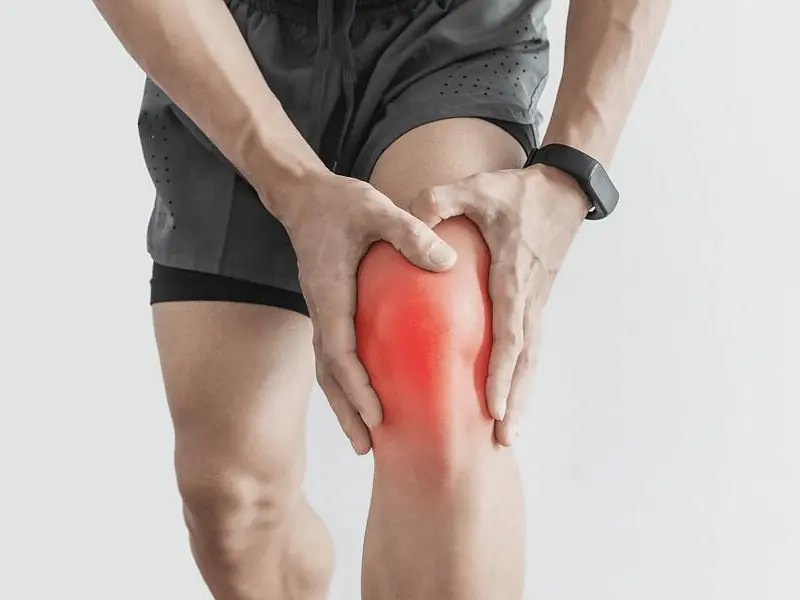
Final Thoughts
Knee pain can begin quietly. It may first appear as a mild ache after a long walk, stiffness when getting out of bed, discomfort when climbing stairs, or a feeling that the joint is not moving as smoothly as it once did.
These changes are easy to dismiss, especially when they come and go. However, recurring symptoms may sometimes be among the earliest signs of knee osteoarthritis.
The five common symptoms discussed in this article—activity-related pain, stiffness after rest, swelling, reduced range of motion, and grinding or clicking sensations—can occur in people with osteoarthritis. Nevertheless, none of these symptoms alone is enough to confirm the diagnosis.
Knee pain can have many causes, including injuries, tendon problems, meniscus conditions, bursitis, inflammatory arthritis, gout, and other medical issues. A healthcare professional can help determine the most likely explanation based on your symptoms, examination, and appropriate testing.
If your knee discomfort is becoming more frequent, affecting your daily routine, or gradually limiting your ability to walk and move, do not simply assume that it is an inevitable part of getting older.
Pay attention to changes in your body. Seek evaluation when symptoms persist, and remember that appropriate movement, strengthening, and individualized care may help many people maintain their mobility and quality of life.
Your knees support you through countless everyday activities. Taking care of them early may help you continue walking, climbing stairs, exercising, and enjoying the activities that matter to you for years to come.
Medical disclaimer: This article is for general informational and educational purposes only and is not a substitute for professional medical advice, diagnosis, or treatment. Knee pain, stiffness, swelling, and clicking can have many causes. Consult a qualified healthcare professional for persistent, worsening, or concerning symptoms. Seek urgent medical care for a suddenly swollen, hot, or severely painful knee, especially when accompanied by fever, inability to bear weight, or significant injury.