Certain diseases can disrupt this balance.
A destructive tumor, for example, can cause abnormal tissue to replace or weaken normal bone.
Other conditions can also alter bone structure, which is why an abnormal appearance on imaging does not automatically equal cancer.
Doctors interpret imaging based on the location, pattern, shape, margins, surrounding tissue, and clinical history.
A Weak Bone Can Increase the Risk of Fracture
When a disease substantially weakens bone, even relatively ordinary forces may become more problematic.
This is one reason unexplained bone pain should not simply be ignored if it persists.
A person with weakened bone may be at greater risk of a pathological fracture, meaning a break that occurs because the bone has been compromised by an underlying condition.
Again, this does not mean every person with knee pain is at risk.
It means that persistent unexplained structural abnormalities require proper evaluation.
Does Sleeping in a Certain Position Cause This?
The title associated with the image begins with:
“ATTENTION: These Are the Consequences of Sleeping With…”
But the phrase is incomplete.
More importantly, there is no basis for concluding from this image that a normal sleeping position causes a destructive bone lesion or bone cancer.
Sleeping position can affect temporary pressure, stiffness, numbness, or discomfort in some people.
For example, sleeping with a knee bent for a long time may leave the joint feeling stiff when you wake up.
But that is completely different from saying a sleeping position destroys bone or produces cancer.
People should be cautious with social-media health headlines that connect a common habit directly to a severe disease without evidence.
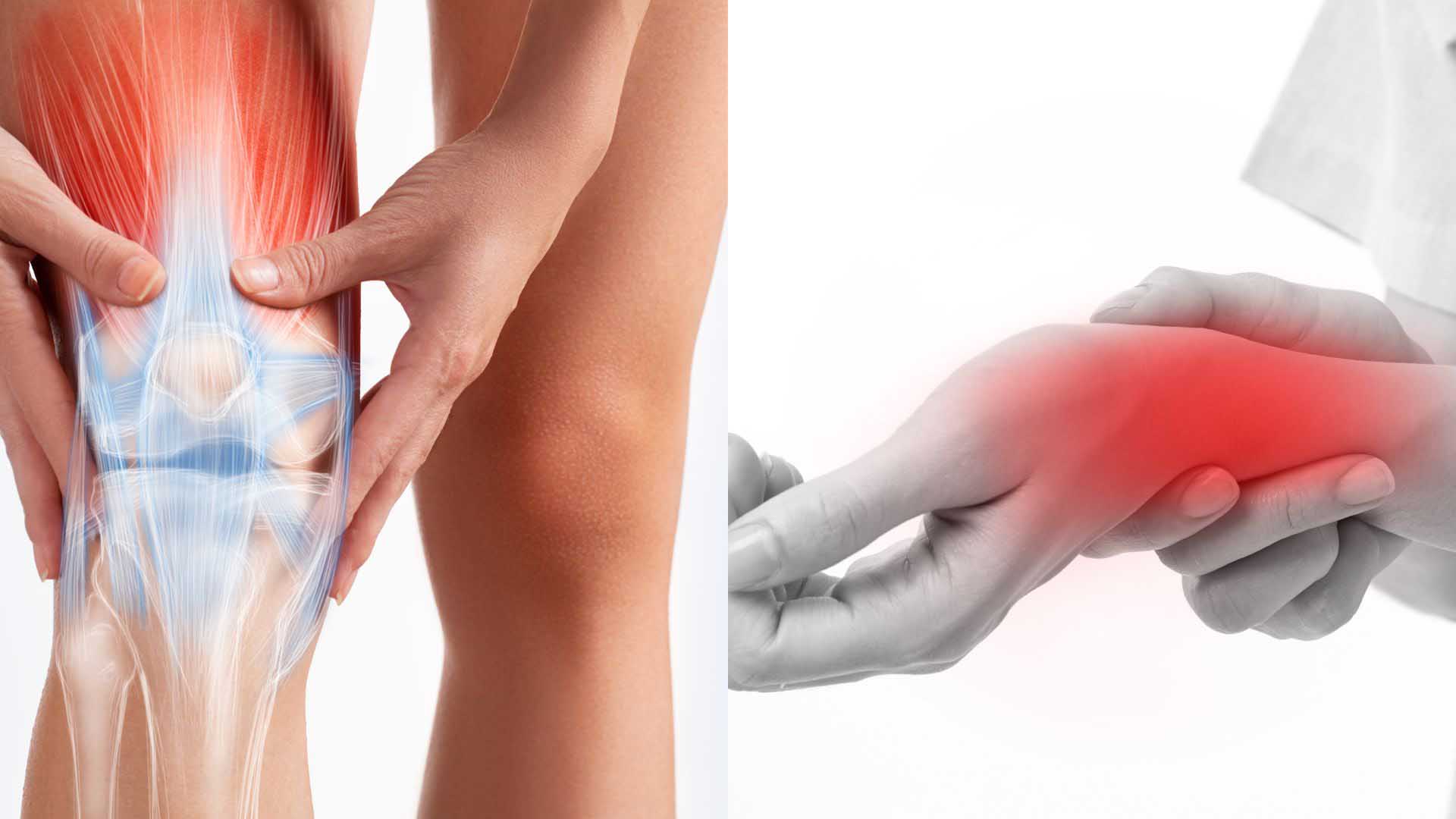
What About Osteoarthritis?
Osteoarthritis is much more common than bone cancer and is an important cause of knee problems.
It develops when the structures within a joint gradually change, including loss or deterioration of cartilage.
People may experience:
-
Knee pain during activity
-
Stiffness
-
Reduced range of motion
-
Swelling
-
Grinding or clicking sensations
Over time, the bone surfaces can change as the joint degenerates.
However, an osteoarthritic knee does not look identical to the dramatic lesion shown in this illustration.
This is another reason not to assume that every unusual-looking knee image represents the most common cause of knee pain.
Injuries Can Also Produce Dramatic Changes
A serious injury can damage bones, cartilage, ligaments, or other tissues.
Fractures can alter the normal shape of the joint.
Severe ligament injuries can destabilize the knee.
Meniscus tears can cause pain and mechanical symptoms.