Your skin is the largest organ in your body, and while it primarily serves as a protective barrier, it can also provide important clues about your overall health. Changes in your skin sometimes reflect problems occurring deep inside the body—including issues involving the kidneys.
The kidneys play a vital role in filtering waste products, balancing fluids, regulating electrolytes, controlling blood pressure, and supporting red blood cell production. When kidney function begins to decline, waste products, fluid, and minerals can build up in the body, occasionally leading to noticeable changes in the skin.
It's important to remember that skin changes alone do not diagnose kidney disease. Many common skin conditions have nothing to do with the kidneys. However, if skin changes occur alongside symptoms such as swelling, changes in urination, fatigue, or high blood pressure, they deserve medical attention.
Let's explore 10 skin signs that may be associated with kidney problems, why they occur, and when you should seek medical advice.
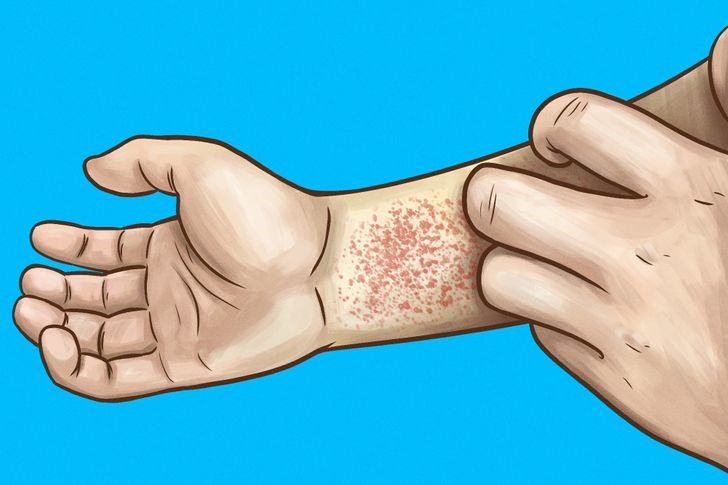
How the Kidneys Affect the Skin
Healthy kidneys help:
-
Remove waste products from the blood
-
Maintain proper fluid balance
-
Regulate minerals such as calcium and phosphorus
-
Produce hormones that support red blood cell production
-
Help maintain healthy vitamin D levels
When kidney function declines, these processes may become disrupted, leading to changes that sometimes appear on the skin.
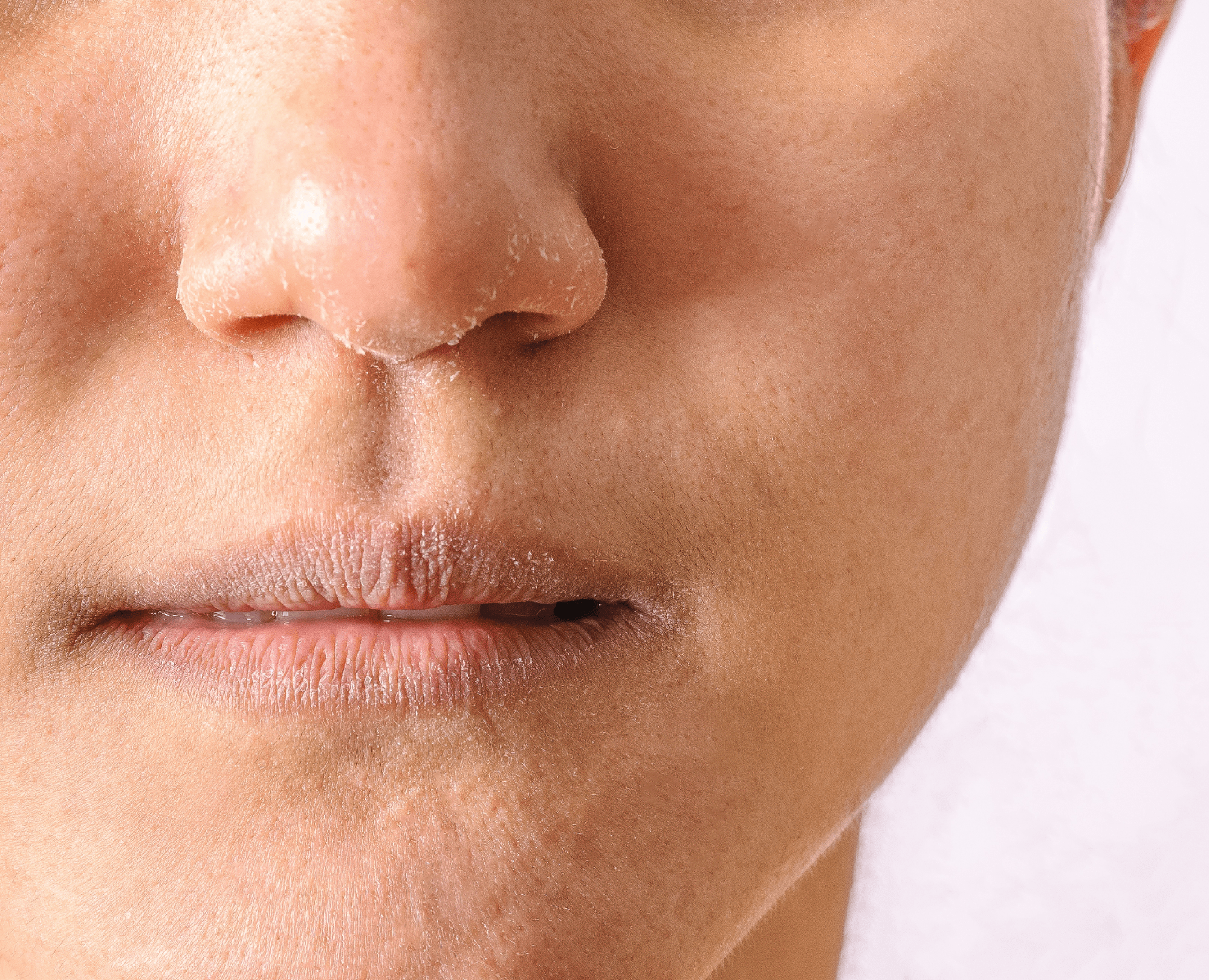
1. Persistent Dry Skin
Dry skin is one of the most common skin complaints among people with chronic kidney disease (CKD), particularly in more advanced stages.
You may notice:
-
Rough skin
-
Flaking
-
Tightness
-
Cracking
-
Increased sensitivity
Several factors may contribute, including:
-
Reduced sweat gland function
-
Mineral imbalances
-
Fluid shifts
-
Changes in skin barrier function
Dry skin has many causes, however, including weather, aging, and certain skin conditions.
2. Persistent Itching (Pruritus)
Persistent itching without an obvious rash may sometimes occur in people with advanced kidney disease.
This condition, known as uremic pruritus, is thought to be related to several factors, including:
-
Waste product buildup
-
Inflammation
-
Nerve changes
-
Mineral imbalances
The itching may affect:
-
The entire body
-
The back
-
Arms
-
Legs
-
Scalp
Unlike allergies, itching related to kidney disease may occur without visible hives.
3. Swollen or Puffy Skin Around the Eyes
The kidneys help regulate fluid balance.
When kidney function declines, excess fluid may accumulate.
One of the earliest places swelling may appear is:
-
Around the eyes, especially in the morning
This puffiness may also be caused by:
-
Allergies
-
Lack of sleep
-
Sinus problems
However, persistent swelling should be evaluated, particularly if accompanied by swelling in the legs or changes in urination.
4. Changes in Skin Color
Some people with chronic kidney disease develop noticeable changes in skin tone.
Possible changes include:
-
Pale skin
-
Yellowish skin
-
Grayish appearance
-
Dull complexion
Pale skin may result from anemia, which is common in CKD because damaged kidneys produce less erythropoietin, a hormone that stimulates red blood cell production.
Yellow-gray discoloration may occur in more advanced kidney disease due to waste product accumulation.
5. Easy Bruising
Healthy kidneys contribute indirectly to normal blood clotting by supporting overall blood health.
People with advanced kidney disease may bruise more easily because of:
-
Platelet dysfunction
-
Certain medications
-
Anemia
Easy bruising always deserves medical evaluation because it has many possible causes.
6. Swelling in the Legs, Ankles, or Feet
Although swelling is not strictly a skin condition, it often becomes visible through changes in the skin.
You may notice:
-
Tight, shiny skin
-
Puffy ankles
-
Swollen feet
-
Socks leaving deep marks
This occurs when excess fluid collects beneath the skin.
Swelling can also result from:
-
Heart disease
-
Liver disease
-
Venous insufficiency
-
Certain medications
7. Skin That Appears Thin or Fragile
Some people with long-term kidney disease notice that their skin becomes:
-
Thin
-
Delicate
-
Easily injured
Minor bumps may lead to cuts or bruises more easily than before.
These changes may also be influenced by aging, medications, or nutritional status.
8. Poor Wound Healing
Healthy kidneys contribute to overall tissue health.
People with kidney disease—particularly those who also have diabetes—may experience:
-
Slow-healing cuts
-
Persistent sores
-
Delayed skin repair
Poor wound healing may increase the risk of skin infections.
Proper wound care and medical evaluation are important.
9. Calcium Deposits Beneath the Skin (Rare)
In advanced kidney disease, disturbances in calcium and phosphorus balance can occasionally lead to calcium deposits in soft tissues.
These may appear as:
-
Firm bumps beneath the skin
-
Tender nodules
A rare but serious condition called calciphylaxis may occur in some individuals with advanced kidney failure, particularly those receiving dialysis.
Calciphylaxis is a medical emergency requiring specialized treatment.
Fortunately, it is uncommon.
10. Severe Skin Ulcers or Painful Dark Patches (Uncommon but Serious)
Painful skin ulcers, especially those that are:
-
Dark
-
Purple
-
Black
-
Extremely painful
may indicate a serious underlying condition, including calciphylaxis in people with advanced kidney disease.
Seek immediate medical attention if these symptoms develop.
Other Symptoms That May Accompany Kidney Disease
Skin changes often occur alongside other symptoms.
Possible warning signs include:
-
Foamy urine
-
Blood in the urine
-
Frequent urination at night
-
Decreased urine output
-
Persistent fatigue
-
High blood pressure
-
Muscle cramps
-
Nausea
-
Loss of appetite
-
Shortness of breath
The combination of skin changes and these symptoms should prompt medical evaluation.
What Causes Chronic Kidney Disease?
The most common causes include:
-
Diabetes
-
High blood pressure
-
Polycystic kidney disease
-
Glomerulonephritis
-
Autoimmune diseases
-
Recurrent kidney infections
Managing these conditions can help reduce the risk of kidney damage.
How Is Kidney Disease Diagnosed?
Healthcare providers may recommend:
Blood Tests
Including:
-
Creatinine
-
Estimated glomerular filtration rate (eGFR)
These measure how well the kidneys filter waste.
Urine Tests
Urine tests can detect:
-
Protein
-
Blood
-
Signs of infection
Persistent protein in the urine may indicate kidney damage.
Blood Pressure Measurement
High blood pressure both causes and results from kidney disease.
Routine monitoring is important.
Imaging Studies
Depending on the situation, your healthcare provider may order:
-
Ultrasound
-
CT scan
-
MRI
to evaluate kidney structure.
Can Skin Changes Improve?
In some cases, yes.
Managing the underlying kidney condition may help improve certain skin symptoms.
Additional measures include:
-
Using fragrance-free moisturizers
-
Avoiding excessively hot showers
-
Staying well hydrated (if appropriate for your medical condition)
-
Following your healthcare provider's recommendations for mineral balance
Treatment should always target the underlying cause.
How to Help Protect Your Kidneys
Healthy habits can reduce the risk of kidney disease.
These include:
Control Blood Pressure
Maintaining healthy blood pressure helps protect kidney blood vessels.
Manage Blood Sugar
Good diabetes control significantly reduces the risk of diabetic kidney disease.
Stay Physically Active
Regular exercise supports:
-
Heart health
-
Blood pressure
-
Weight management
-
Blood sugar control

Eat a Balanced Diet
Focus on:
-
Fruits
-
Vegetables
-
Whole grains
-
Lean protein
-
Healthy fats
Limit excessive sodium and highly processed foods.
Avoid Smoking
Smoking damages blood vessels, including those supplying the kidneys.
Use Medications Carefully
Some medications, including long-term use of certain pain relievers (NSAIDs), may affect kidney function.
Always follow dosing instructions and discuss long-term medication use with your healthcare provider.
Common Myths About Kidney Disease
Myth 1: Kidney Disease Always Causes Pain
Most chronic kidney disease develops silently without noticeable pain.
Myth 2: Itchy Skin Always Means Kidney Disease
Itching has many possible causes, including eczema, allergies, dry skin, liver disease, and thyroid disorders.
Myth 3: If My Skin Looks Healthy, My Kidneys Must Be Healthy
Early kidney disease often produces no visible skin changes.
Routine screening remains important for people at risk.
Myth 4: Drinking More Water Can Cure Kidney Disease
Adequate hydration supports normal kidney function, but drinking excessive amounts of water does not reverse chronic kidney disease.
When Should You See a Doctor?
Arrange a medical evaluation if you notice:
-
Persistent itching without an obvious cause
-
Swelling around the eyes or ankles
-
Unexplained skin color changes
-
Easy bruising
-
Poor wound healing
-
Changes in urination
-
Persistent fatigue
-
High blood pressure
Early diagnosis often provides the best opportunity to slow kidney disease progression.
When Is It an Emergency?
Seek immediate medical attention if you experience:
-
Sudden inability to urinate
-
Severe swelling with difficulty breathing
-
Painful black or purple skin lesions
-
Confusion
-
Chest pain
-
Loss of consciousness
These symptoms may indicate a serious medical emergency.
The Bottom Line
Your skin can sometimes reflect changes happening inside your body, including problems involving the kidneys. Persistent dry skin, unexplained itching, puffiness around the eyes, changes in skin color, easy bruising, swelling, fragile skin, poor wound healing, calcium deposits, and painful skin ulcers are among the skin changes that may be associated with kidney disease.
However, none of these signs are specific to kidney disease, and many common conditions can cause similar symptoms. They should be considered alongside other symptoms such as changes in urination, fatigue, swelling, or high blood pressure.

Final Thoughts
Your skin often serves as a window into your overall health. While many skin changes are harmless or related to common dermatologic conditions, persistent or unusual changes should never be ignored - especially if they occur together with symptoms that could suggest kidney disease.
Protecting your kidneys starts with healthy everyday habits: maintaining a balanced diet, staying physically active, controlling blood pressure and blood sugar, avoiding smoking, and attending regular health checkups if you're at increased risk.
If you notice ongoing skin changes or other symptoms discussed in this article, don't rely on self-diagnosis. A healthcare professional can determine whether your symptoms are related to your kidneys or another condition and recommend the appropriate tests and treatment. Early detection remains one of the most effective ways to protect kidney function and support long-term health.