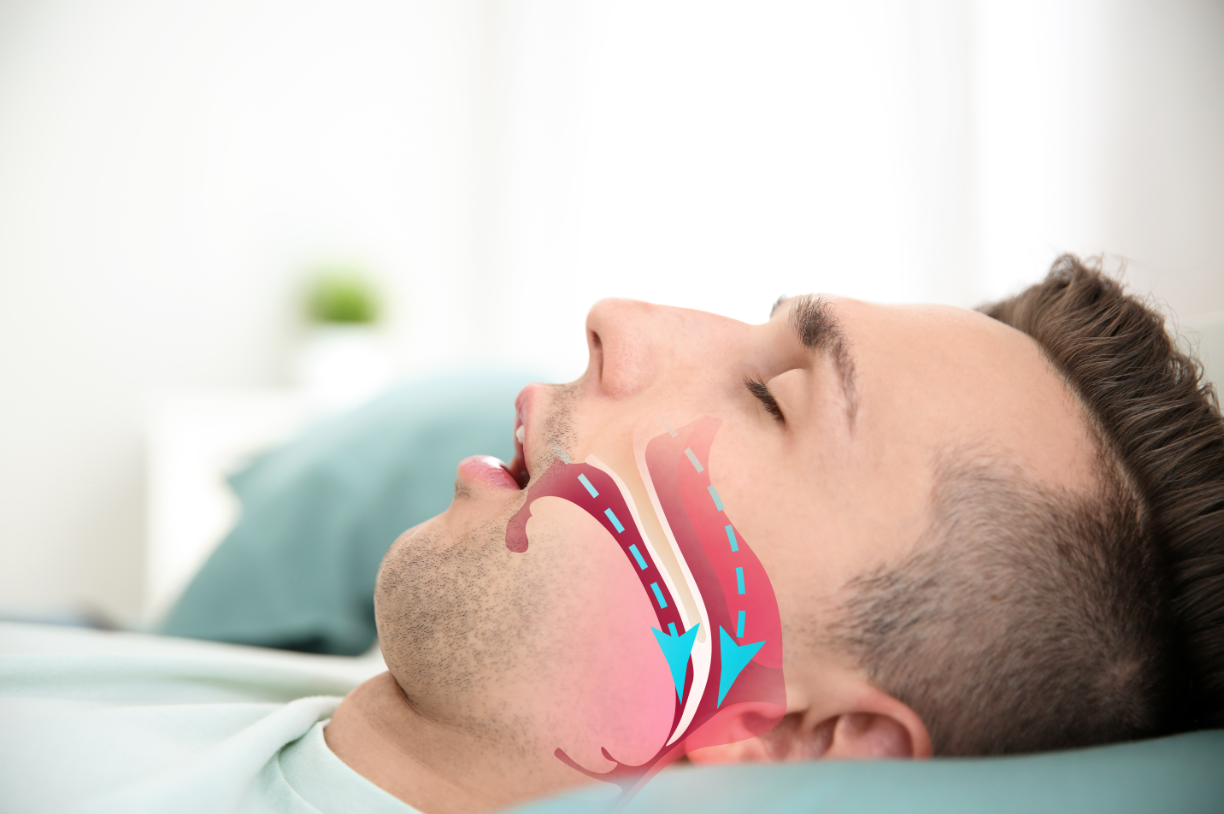
What Is Snoring?
When airflow through your mouth and nose becomes partially blocked while you sleep, vibrations in the soft tissues create the familiar sound of snoring. For some people, snoring only happens when they are sick or sleeping in a certain position. For others, it occurs every time they sleep.
Your airway may become blocked for several reasons, including:
Problems with the structure inside the nose and mouth, such as a deviated septum or nasal polyps — small growths inside the nasal passages.
Nasal allergies that cause irritation, inflammation, and narrowing of the airways.
Sinusitis or sinus infections, which can also narrow the airways.
Being overweight. Fat buildup around the throat can narrow the airway and trigger snoring.
Tonsillitis, where swollen tonsils block the airway.
You are also more likely to snore if you:
Smoke or drink alcohol, which can overly relax the throat muscles.
Sleep on your back or use a bed or pillow that does not properly support your head, causing the tongue to fall backward and obstruct the throat.
Take muscle-relaxing medications such as lorazepam or diazepam.
In addition, snoring becomes more common as you age.
Sleep Apnea
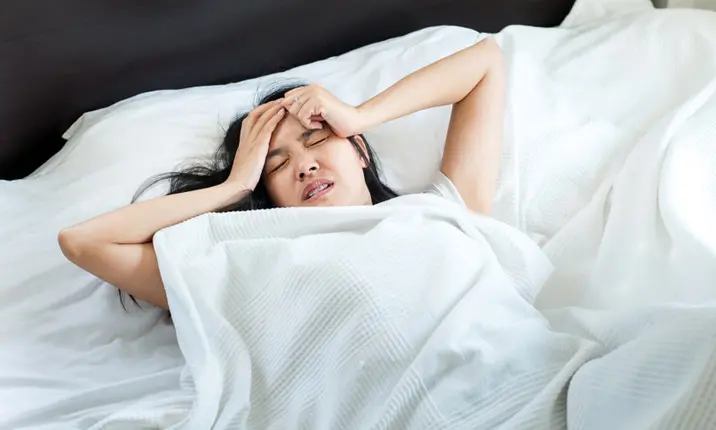
Snoring is often harmless, but it can also be a sign of sleep apnea.
Sleep apnea is a condition in which the upper airway becomes partially or completely blocked, causing you to stop breathing — usually for only a few seconds at a time. This forces the body to work harder to resume breathing, often resulting in a sudden gasp or snort as breathing restarts.
You may not fully wake up during a sleep apnea episode, but it can still severely affect sleep quality.
Snoring is one of the most common symptoms of sleep apnea. Other symptoms may include:
Daytime fatigue due to poor sleep
Headaches
Sore throat
Irritability or discomfort
Your partner may notice that you stop breathing during the night, even if you are unaware of it yourself.
Sleep apnea not only reduces sleep quality but also places stress on the body and internal organs. It has been linked to heart disease, stroke, and diabetes. You should consult a doctor if you suspect you may have sleep apnea.
Home Remedies for Snoring
If your doctor confirms that your snoring is harmless and not related to any underlying medical condition, you can try the following simple remedies:
1. Reach and Maintain a Healthy Weight
Being overweight not only increases the risk of many diseases but can also lead to snoring. Losing weight, especially if your BMI is above average, can improve overall health and reduce nighttime snoring. Seek guidance from a doctor or nutritionist if needed.
2. Get Enough Sleep Regularly
When you are overly tired, your body works harder to ensure adequate rest, which may trigger snoring. Aim to get enough quality sleep every night.
3. Change Your Sleeping Position
Sleeping on your back is associated with snoring, so try sleeping on your side or even on your stomach. You can also use pillows as barriers or use a body pillow to prevent rolling onto your back. Adjustable beds that slightly elevate the head may also help.
4. Rinse Your Sinuses Daily
If you have a cold or sinus infection, nasal rinsing can help remove irritants and clear the airways before bedtime. Try using a saline nasal rinse kit to clean each nostril thoroughly.
5. Keep Your Home and Bedroom Clean
Sleeping in a dusty or moldy environment can trigger allergies that contribute to snoring. Keep your bedroom clean and wash bed sheets regularly to reduce dust mites.
6. Stay Hydrated
When dehydrated, the mouth and throat produce thicker mucus that may block the airway and cause snoring. Drinking a glass of water before bed may help.
7. Avoid Alcohol or Sedatives Before Bed
Alcohol and sedatives reduce muscle tone in the back of the throat, making snoring more likely.
8. Correct Structural Nasal Problems
Some people are born with or develop a deviated septum, where the wall separating the two nasal passages is misaligned. This restricts airflow and may cause mouth breathing during sleep, leading to snoring. Surgery may be needed in some cases.
Medical Treatments for Snoring
If your sleep quality remains poor or your partner cannot tolerate the constant snoring, it may be time to seek medical help.
Doctors can diagnose underlying health conditions causing snoring and may recommend additional treatments such as:
Nasal sprays
Antihistamines
Decongestants
Oral appliances that fit inside the mouth and keep the jaw open to maintain airflow
Nasal strips and other supportive devices
If snoring is severe, associated with other health conditions, or caused by sleep apnea affecting quality of life, your doctor may recommend:
Sleep Studies
Sleep studies evaluate breathing, oxygen levels, sleep cycles, and other factors to screen for Obstructive Sleep Apnea (OSA).
These tests may be performed:
In a sleep laboratory using polysomnography
At home using a home sleep test kit or medical-grade wearable device
CPAP Therapy
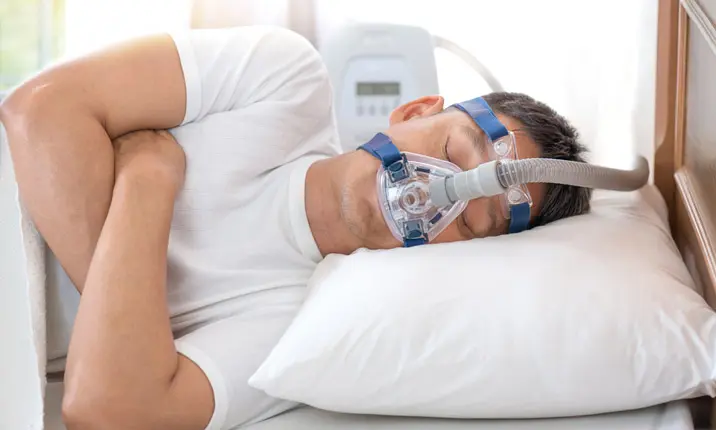
A CPAP (Continuous Positive Airway Pressure) machine delivers a steady flow of air through a mask covering the nose and mouth, helping keep the airway open and allowing easier breathing during sleep.
Surgery
In some cases, surgery may be recommended to correct structural problems in the nose and airway. This may include:
Straightening a deviated septum
Removing nasal polyps or enlarged tissues
Removing tonsils
Jaw surgery to reposition jaw structures and improve airflow