Toilet paper is one of the most commonly used household products in the world, yet few people ever stop to question what it is made of or how it might affect their health. Recently, growing discussions among health experts and consumers have raised concerns about the potential risks associated with certain types of toilet paper. While it remains an essential part of daily hygiene, some researchers suggest that not all products are created equal, and understanding their composition may be more important than we think.
One of the main concerns centers around the manufacturing process. Many toilet paper products are bleached to achieve a bright white appearance. This process often involves chemicals such as chlorine, which can produce byproducts like dioxins. These substances, although typically present in very small amounts, have been studied for their potential long-term health effects. Continuous exposure, even at low levels, has led some experts to question whether frequent contact with such materials could pose risks over time.



In addition to chemical concerns, there is also the issue of skin sensitivity. Toilet paper comes into direct contact with delicate areas of the body, making it important that the material is gentle and free from irritants. Some products include added fragrances, dyes, or softening agents that may cause discomfort, especially for individuals with sensitive skin. Repeated irritation can lead to minor health issues, such as itching or inflammation, which may worsen over time if the source is not identified.
Another aspect that has attracted attention is the potential presence of microscopic particles left behind after use. These tiny fibers can remain on the skin, potentially creating an environment where bacteria can thrive. While the risk is generally low for most people, those with weakened immune systems or existing skin conditions may be more vulnerable. Maintaining proper hygiene and choosing higher-quality products can help reduce these concerns.
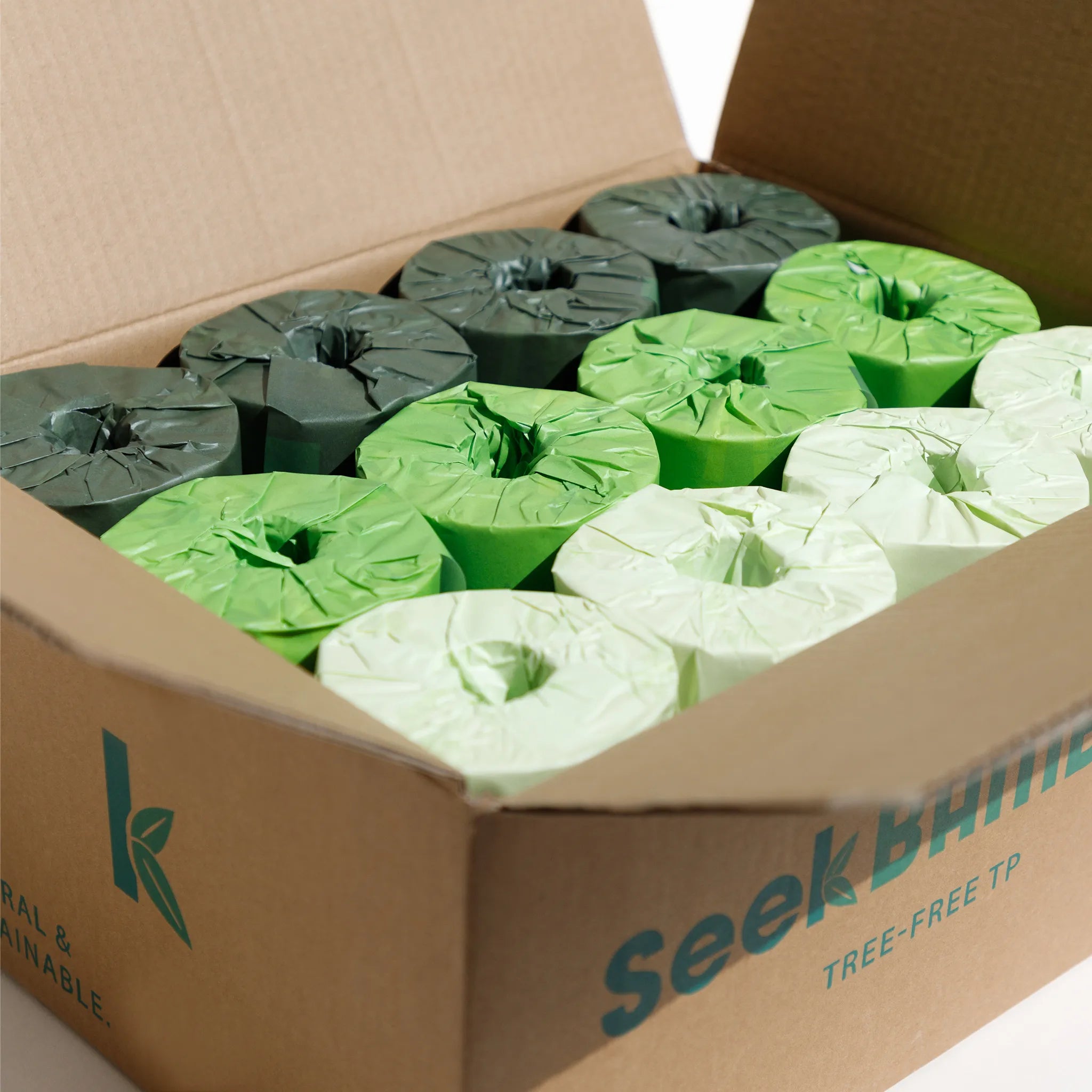


As awareness grows, many consumers are exploring safer and more environmentally friendly alternatives. Unbleached or recycled toilet paper is becoming increasingly popular, as it typically avoids harsh chemical treatments. Bamboo-based products are also gaining attention due to their sustainability and natural properties. Additionally, bidets are widely used in many parts of the world and offer a water-based cleaning method that reduces reliance on paper altogether.
Despite these concerns, it is important to maintain a balanced perspective. There is currently no definitive scientific evidence proving that toilet paper directly causes serious diseases under normal use. However, being informed about product ingredients and making conscious choices can contribute to better personal hygiene and overall well-being.
Ultimately, this discussion highlights a broader trend: people are becoming more aware of the products they use every day. Even simple items like toilet paper deserve careful consideration. By choosing products that prioritize safety, simplicity, and sustainability, individuals can take small but meaningful steps toward protecting their health in the long run.