Finding a centipede crawling across the bathroom floor, hiding beneath furniture, or appearing near a basement wall can be an unpleasant surprise.
Seeing one occasionally doesn't necessarily mean you have a serious pest problem. Centipedes are common household visitors, and many species prefer dark, damp environments where they can find other small insects to eat.
However, if you're regularly seeing centipedes inside your home, there may be something about your environment that is making the space attractive to them.
The good news is that you don't necessarily need harsh chemicals or complicated treatments. Understanding what attracts centipedes can help you address the underlying conditions and make your home less appealing to them.
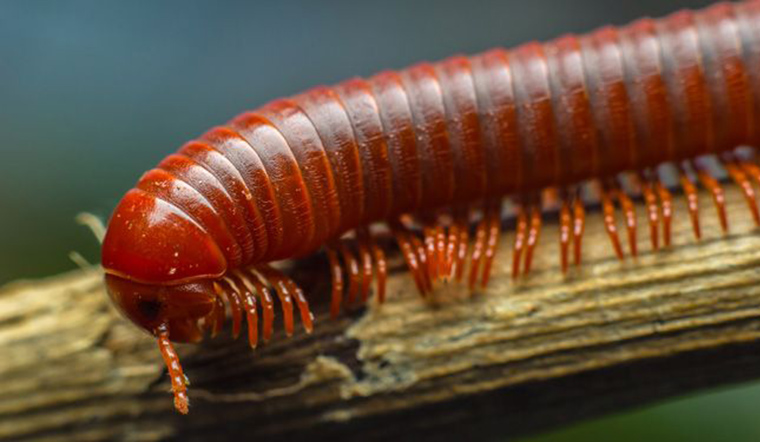
Why Do Centipedes Enter Homes?
Centipedes are predators.
Unlike many household pests that feed directly on food crumbs or stored products, centipedes primarily hunt other small creatures.
Depending on the species, they may feed on:
-
Small insects
-
Spiders
-
Cockroaches
-
Ants
-
Silverfish
-
Flies
-
Other small arthropods
This means that finding centipedes can sometimes indicate that other small pests are present nearby.
A centipede may enter your home because it has found two things it needs:
A suitable hiding place and a source of prey.
1. Moisture Is One of the Biggest Attractions
Centipedes generally prefer humid environments.
This is one reason they're frequently encountered in places such as:
-
Bathrooms
-
Basements
-
Laundry rooms
-
Kitchens
-
Crawl spaces
-
Garages
-
Areas near plumbing
If your home has consistently high humidity, it may provide favorable conditions for centipedes.
Look for areas where moisture tends to accumulate.
2. Leaking Pipes Can Create a Perfect Environment
A small plumbing leak may not seem like a major problem.
But over time, it can create damp conditions beneath sinks, behind walls, or around floors.
Check:
-
Under kitchen sinks
-
Beneath bathroom sinks
-
Around toilets
-
Near washing machines
-
Around water heaters
-
Along exposed plumbing
Repairing leaks can reduce humidity and eliminate a potential hiding area.
3. Condensation Can Also Attract Them
Moisture doesn't always come from a leak.
Condensation can form when warm, humid air contacts cooler surfaces.
This may happen around:
-
Pipes
-
Air-conditioning units
-
Windows
-
Basement walls
-
Cold-water lines
If condensation occurs regularly, improve ventilation and address the underlying humidity problem.
4. Poor Ventilation Makes Bathrooms More Humid
Bathrooms naturally produce a lot of moisture.
Hot showers create steam that can remain in the room if ventilation is poor.
A bathroom with:
-
High humidity
-
Damp floors
-
Wet towels
-
Limited airflow
-
Poor ventilation
can become attractive to moisture-loving pests.
Use an exhaust fan during and after showers when possible, and allow damp surfaces to dry.
5. Your Basement May Be the Problem
Basements are often cooler, darker, and more humid than the rest of the house.
That combination can be appealing to centipedes and many of the insects they prey upon.
Check for:
-
Water seepage
-
Damp walls
-
Leaking pipes
-
Poor drainage
-
Condensation
-
Mold or mildew
-
Standing water
A dehumidifier may help reduce excessive humidity in a damp basement.
6. Centipedes May Be Following Their Food
This is one of the most important things to understand.
If you repeatedly see centipedes, don't only ask:
"How do I kill the centipedes?"
Also ask:
"Why are there enough insects here for centipedes to hunt?"
An increase in centipedes may sometimes coincide with an increase in their prey.
If you have ants, cockroaches, silverfish, spiders, or other insects, those pests may be attracting predators.
7. Other Insects Can Create a Food Supply
Centipedes don't generally eat your food or chew through your furniture.
They hunt.
So if your home provides an abundant supply of small insects, it can become a convenient hunting ground.
Reducing the underlying insect population can therefore make your home less attractive to centipedes.
8. Cracks Around the Foundation Provide Entry Points
Centipedes are small and can enter through surprisingly narrow spaces.
Inspect your home for cracks around:
-
Foundations
-
Doors
-
Windows
-
Pipes
-
Utility lines
-
Vents
-
Crawl spaces
Sealing appropriate gaps can reduce opportunities for pests to enter.
9. Gaps Beneath Doors Matter
Exterior doors are common entry points for insects and other small animals.
If there is a visible gap beneath the door, installing a suitable door sweep can help.
This has an added benefit: it can also reduce the entry of:
-
Ants
-
Cockroaches
-
Spiders
-
Silverfish
-
Other insects
Reducing insect entry may indirectly reduce the food available to centipedes.
10. Window Screens Can Help
Damaged or poorly fitted window screens can provide easy access for insects.
Check screens for:
-
Tears
-
Holes
-
Loose edges
-
Gaps around frames
Repairing them can help reduce the number of insects entering your home.
11. Outdoor Vegetation Can Bring Pests Closer to the House
Plants themselves aren't necessarily a problem.
But dense vegetation directly against the foundation can create a humid, sheltered environment.
It can also harbor:
-
Insects
-
Spiders
-
Slugs
-
Other small creatures
These organisms can become prey for centipedes.
Keep vegetation appropriately maintained and avoid creating excessive moisture immediately next to exterior walls.
12. Leaf Piles Can Create Hiding Places
Accumulated leaves provide moisture and shelter for many small organisms.
Centipedes and their prey may live in these areas.
Regularly clearing excessive leaf buildup around the foundation can reduce potential habitat.
This is especially useful during wet seasons.
13. Wood Piles Can Harbor Insects
Firewood and stacked lumber can provide shelter for numerous insects and other small animals.
If you store wood near your home, keep it:
-
Organized
-
Elevated where practical
-
Away from exterior walls
-
Relatively dry
Before bringing firewood indoors, inspect it carefully.
14. Excessive Outdoor Moisture Can Attract Them
Look around your property for sources of unnecessary moisture.
Examples include:
-
Leaking outdoor faucets
-
Clogged gutters
-
Poor drainage
-
Standing water
-
Overwatering
-
Downspouts emptying against the foundation
Redirecting water away from the house can help reduce damp conditions.
15. Gutters and Downspouts Matter
A clogged gutter can cause water to overflow and accumulate around the foundation.
Over time, this can increase moisture levels near the home.
Make sure gutters are functioning properly and that downspouts direct water away from the foundation.
This isn't just about centipedes.
Good drainage also helps protect the building itself.
16. Clutter Gives Centipedes Places to Hide
Centipedes prefer dark, protected spaces.
Indoor clutter can create hiding areas beneath:
-
Cardboard boxes
-
Stored clothing
-
Furniture
-
Paper piles
-
Unused containers
-
Bags
-
Basement storage
Keeping floors and storage areas organized can make these spaces less attractive.
17. Cardboard Boxes Can Harbor Other Pests
Cardboard can absorb moisture and provide shelter for small insects.
If boxes are stored in a damp basement or garage for long periods, they may become attractive to pests.
Use plastic storage containers with secure lids for items that need long-term storage, particularly in humid environments.
18. Nighttime Is When You May Notice Them
Some centipedes are more active at night.
During the day, they may remain hidden in dark, damp areas.
At night, they emerge to hunt.
That's why you might walk into the bathroom late at night and suddenly notice one moving across the floor.
The timing doesn't necessarily mean your home is infested.
It may simply reflect their normal behavior.
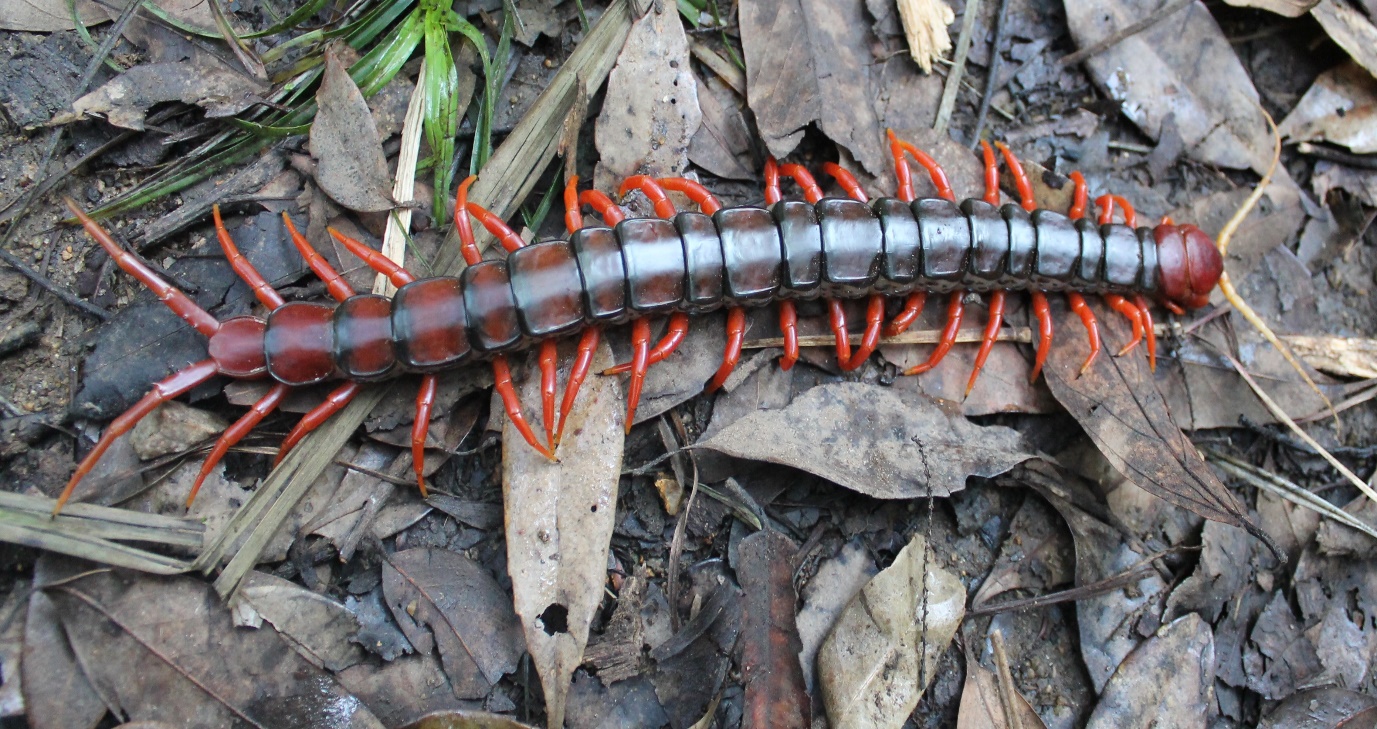
19. Seeing One Doesn't Mean There Are Hundreds
A single centipede can enter through a small gap without indicating a major infestation.
Even seeing several doesn't necessarily mean hundreds are hiding inside your walls.
However, repeated sightings over weeks or months are worth investigating.
The goal is to identify the environmental conditions that are supporting them.
20. House Centipedes Are Different From Many Outdoor Species
The common house centipede is especially adapted to indoor environments.
It has:
-
A long, flattened body
-
Numerous very long legs
-
Fast movement
-
A preference for damp environments
Despite their alarming appearance, house centipedes generally avoid people.
They are predators that feed on other small arthropods.
21. Are Centipedes Dangerous?
Most household centipedes are not considered a significant danger to people.
They generally prefer to escape rather than confront humans.
Bites can occur, but they are relatively uncommon.
When they do happen, symptoms may include:
-
Localized pain
-
Redness
-
Swelling
-
Tenderness
The severity depends on the species and the individual.
22. Some People May Have Stronger Reactions
As with insect bites generally, individuals can react differently.
If you develop significant swelling, widespread hives, difficulty breathing, dizziness, or other signs of a serious allergic reaction after an arthropod bite, seek urgent medical attention.
Don't assume that every reaction is harmless.
23. Don't Handle Centipedes With Bare Hands
Even if a species is unlikely to be dangerous, there's little reason to pick it up.
If you need to remove one, a safer option is to avoid direct contact and use appropriate tools or contact pest-control professionals if necessary.
Children should also be taught not to touch unfamiliar insects.
24. Should You Kill Every Centipede You See?
Not necessarily.
Centipedes are predators, which means they can actually consume other household pests.
They may feed on insects and spiders that you would rather not have indoors.
So their presence can sometimes be viewed as a signal that other small pests are available as food.
That doesn't mean you should tolerate a large number of centipedes.
It simply means killing individual centipedes doesn't address the underlying reason they're appearing.
25. The Better Strategy: Remove the Conditions
Instead of focusing exclusively on killing centipedes, address:
Moisture + Shelter + Prey + Entry Points
Reducing these four factors can make a substantial difference.
26. Step One: Reduce Indoor Humidity
If your home is consistently humid, consider:
-
Improving ventilation
-
Running bathroom exhaust fans
-
Using a dehumidifier
-
Repairing leaks
-
Drying damp areas
-
Improving basement ventilation
A hygrometer can help you monitor indoor humidity.
Many homes are comfortable around 30–50% relative humidity, although ideal levels can vary with climate and building conditions.
27. Step Two: Fix Leaks Quickly
Don't ignore:
-
Dripping faucets
-
Leaking pipes
-
Damp cabinets
-
Wet basement walls
-
Water around appliances
A small leak can create a persistent moisture problem.
Fixing it may improve both pest control and the condition of the building.
28. Step Three: Reduce Insect Populations
If centipedes have plenty of prey, they have a reason to remain.
Look for evidence of:
-
Ants
-
Cockroaches
-
Silverfish
-
Spiders
-
Flies
-
Other insects
Use appropriate pest-control measures for the specific pest rather than randomly spraying large amounts of pesticide.
29. Step Four: Seal Entry Points
Inspect the exterior of your home.
Pay particular attention to:
-
Foundation cracks
-
Door gaps
-
Window frames
-
Utility penetrations
-
Vent openings
-
Crawl spaces
Sealing these areas can reduce entry for many pests, not just centipedes.
30. Step Five: Improve Outdoor Drainage
Make sure rainwater moves away from your home's foundation.
Check:
-
Gutters
-
Downspouts
-
Drainage channels
-
Outdoor faucets
-
Irrigation systems
Avoid creating persistently wet areas immediately next to the building.
31. Step Six: Reduce Outdoor Clutter
Move unnecessary materials away from the house.
This includes:
-
Wood piles
-
Yard debris
-
Leaves
-
Old containers
-
Construction materials
-
Dense piles of vegetation
The less shelter immediately around your foundation, the fewer places there are for pests to hide.
32. Don't Overwater Your Yard
Excessive irrigation can create unnecessarily damp soil.
Water plants according to their needs and avoid creating constantly wet conditions near the house.
This can also help reduce populations of some insects and other small organisms.
33. What About Chemical Pesticides?
Pesticides can sometimes be useful, particularly when there is a broader pest problem.
But they shouldn't automatically be the first response.
Using excessive pesticides can:
-
Expose people and pets
-
Harm beneficial insects
-
Contaminate surfaces
-
Fail to address the underlying moisture problem
If chemical treatment is necessary, follow the label instructions carefully or consider hiring a licensed pest professional.
34. Avoid Random "Natural" Pest Remedies
The internet is full of recommendations involving:
-
Essential oils
-
Vinegar
-
Salt
-
Baking soda
-
Spices
-
Homemade sprays
Some may repel certain insects temporarily, but their effectiveness can vary significantly.
A more dependable strategy is integrated pest management, which combines sanitation, exclusion, moisture control, monitoring, and targeted treatment.
35. When Should You Call a Pest Professional?
Consider professional help if:
-
You see centipedes frequently
-
Multiple rooms are affected
-
You also see many other insects
-
There's persistent moisture
-
You cannot identify the entry point
-
The problem continues despite basic prevention
A professional can help identify the underlying pest conditions.
36. Look for the Pest Behind the Pest
This is a useful way to think about recurring centipedes.
If centipedes are predators, their presence may tell you something about the ecosystem inside or around your house.
For example:
Many centipedes → many insects → moisture or shelter → underlying environmental problem
The centipedes themselves may be only the visible part of the issue.
37. A Bathroom Centipede May Be a Moisture Clue
If you consistently find centipedes in the bathroom, check:
-
Under the sink
-
Around the toilet
-
Behind cabinets
-
Around plumbing
-
Near the bathtub
-
Around floor drains
Look for dampness or leaks.
Improving ventilation and repairing plumbing problems may reduce sightings.
38. A Basement Centipede May Point to Humidity
If you repeatedly find them in a basement, check:
-
Relative humidity
-
Foundation walls
-
Drainage
-
Sump pumps
-
Pipes
-
Storage areas
A dehumidifier may help if humidity is consistently high.
39. A Garage Centipede May Point to Outdoor Entry
Garages often have direct connections to the outside.
Check:
-
Door seals
-
Cracks
-
Stored materials
-
Rodent activity
-
Moisture
Reducing clutter and sealing gaps can help.
40. A Simple Home Checklist
If you keep finding centipedes, walk through your property and ask:
Moisture
-
Is there a leak?
-
Is the basement damp?
-
Is the bathroom poorly ventilated?
-
Is condensation common?
Food
-
Are there ants or cockroaches?
-
Are insects entering through windows?
-
Is pet food left outside?
Shelter
-
Is there excessive clutter?
-
Are cardboard boxes stored in damp areas?
-
Is vegetation dense around the foundation?
Entry
-
Are there cracks?
-
Are door sweeps missing?
-
Are window screens damaged?
-
Are utility openings unsealed?
Addressing these areas can significantly reduce the conditions that attract centipedes.
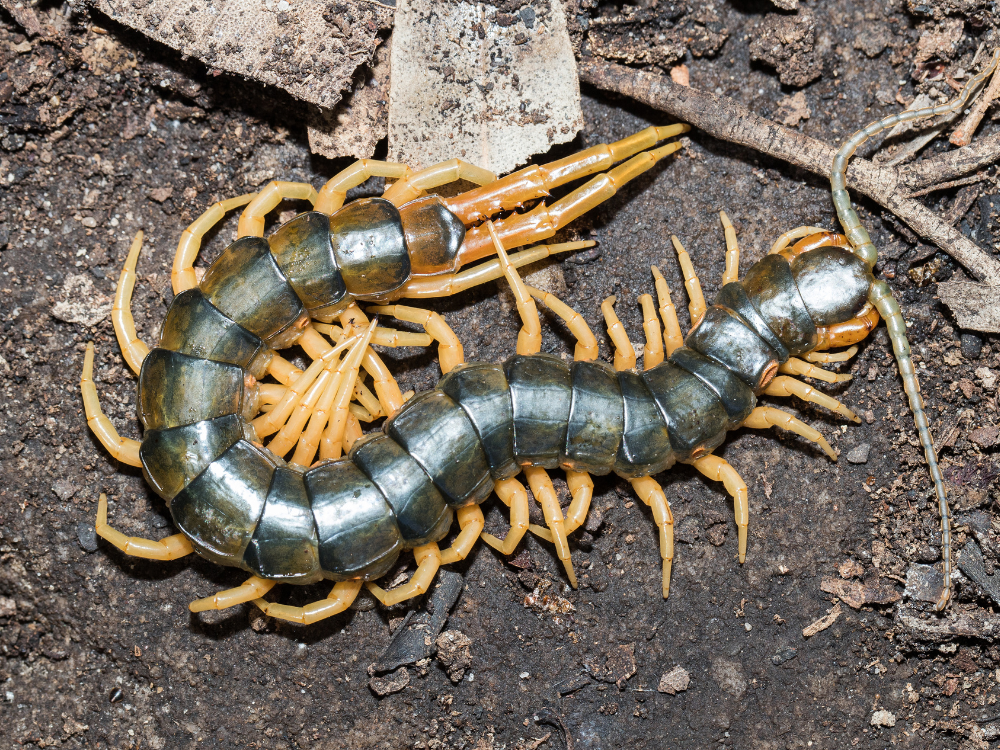
The Bottom Line
If you keep finding centipedes at home, it doesn't necessarily mean your house is dirty or infested.
More often, their presence can be connected to a combination of moisture, shelter, food sources, and easy entry points.
Centipedes are predators, so a recurring problem may also indicate that other small insects are abundant enough to provide them with food.
Instead of searching for a miracle spray or trying to eliminate every centipede individually, focus on the environment:
Fix leaks.
Reduce excessive humidity.
Improve ventilation.
Remove clutter and outdoor hiding places.
Control other household pests.
Seal cracks and gaps around the home.
These measures address the conditions that make your property attractive in the first place.
Final Thoughts
A centipede appearing once in your bathroom or garage isn't necessarily a reason to panic.
But if you keep seeing them, especially in the same areas, treat the pattern as useful information.
Your home may have a moisture problem, an insect problem, or an easy entry point that needs attention.
And remember: centipedes themselves are generally predators rather than pests that feed on your food or damage your home. Their presence may actually be telling you that something else is attracting small insects indoors.
So rather than asking only, "How do I get rid of centipedes?"
ask:
"What is making my home a good place for them to live and hunt?"
Once you remove the moisture, food sources, shelter, and access points, you may find that the centipedes become much less interested in visiting your home.