9. Chrysanthemums
Chrysanthemums are another interesting choice for gardeners interested in natural pest-management strategies.
Certain chrysanthemum species contain pyrethrins, naturally occurring insecticidal compounds that are used in some commercial insecticides.
This is an important distinction.
The fact that chrysanthemums contain pyrethrins does not mean that simply planting chrysanthemums around your house will produce the same effect as a properly formulated insecticide.
The concentration, plant variety, application method, and target pest all matter.
Nevertheless, chrysanthemums can be an attractive addition to flower beds and containers.
They can provide color while potentially contributing to an integrated approach to managing certain insects.
What About Mice?
This is where expectations should be especially realistic.
You may see claims that peppermint, lavender, or other strongly scented plants will drive mice out of your house.
There is not enough evidence to treat garden plants as a reliable solution for an established mouse infestation.
If mice are entering your home, the most effective approach is usually to address the conditions that allow them to survive.
That means:
Seal entry points
Mice can enter through surprisingly small openings.
Inspect areas around:
-
Pipes
-
Doors
-
Windows
-
Vents
-
Foundations
-
Garages
-
Utility openings
Seal appropriate gaps using materials that rodents cannot easily chew through.
Remove food sources
Store food in secure containers and clean up crumbs and spills promptly.
Pet food can also attract rodents when it is left accessible overnight.
Reduce hiding places
Clutter, cardboard, piles of debris, and dense vegetation near the house can provide shelter.
Reducing these areas can make the property less attractive to rodents.
Plants can complement these measures, but they should not replace them.
The Best Way to Use Plants for Pest Management
If your goal is to reduce unwanted pests naturally, think beyond individual plants.
A more effective strategy is integrated pest management, or IPM.
This approach combines several methods rather than depending on one supposed natural remedy.
For example:
Step 1: Remove food sources.
Keep garbage sealed and clean up food promptly.
Step 2: Eliminate standing water.
Mosquitoes can breed in surprisingly small amounts of stagnant water.
Check:
-
Plant saucers
-
Buckets
-
Gutters
-
Birdbaths
-
Children's toys
-
Unused containers
Step 3: Seal entry points.
Inspect doors, windows, screens, vents, and foundation gaps.
Step 4: Reduce clutter and shelter.
Keep storage areas organized and avoid unnecessary piles of debris.
Step 5: Add appropriate plants.
Use aromatic herbs and flowers as one additional layer of your strategy.
This approach is generally more realistic than expecting a few plants to solve a pest problem by themselves.
Plants Alone Cannot Replace Good Home Maintenance
A common misconception is that putting certain plants around windows or doors will create a natural force field against pests.
Unfortunately, pests are much more adaptable than that.
A mosquito may still fly past a lemongrass plant.
A spider may still enter through a window.
A mouse may still squeeze through a small opening despite the presence of peppermint.
That's why environmental management is often more important than the plant itself.
Keeping your home clean, dry, well-sealed, and free from accessible food sources can make a substantial difference.
Be Careful With Essential Oils
Another popular suggestion is to extract oils from these plants or apply concentrated essential oils around the home.
This requires caution.
Essential oils are highly concentrated substances and can cause skin irritation or other problems if used improperly. Some are also potentially toxic to pets, particularly cats and dogs, depending on the substance and exposure.
Never assume that because a plant is natural, its concentrated oil is automatically safe.
If you have pets or young children, research the specific plant and product before using concentrated extracts around them.
What If You Already Have a Serious Pest Problem?
Plants are most useful as a preventive or supplementary measure.
If you already have a significant infestation, the first step is to identify the pest.
Different pests require different approaches.
For example:
-
Mosquitoes require breeding-site management and personal protection.
-
Mice require exclusion, sanitation, and appropriate trapping or professional control.
-
Spiders often become less common when their insect prey and hiding places are reduced.
-
Ants may require locating and treating the colony.
-
Cockroaches often require sanitation, moisture control, exclusion, and targeted treatment.
If the infestation is extensive or involves potentially dangerous pests, professional pest management may be appropriate.
Final Thoughts
Adding plants to your garden can be an enjoyable way to make your outdoor space more attractive while potentially helping discourage certain pests.
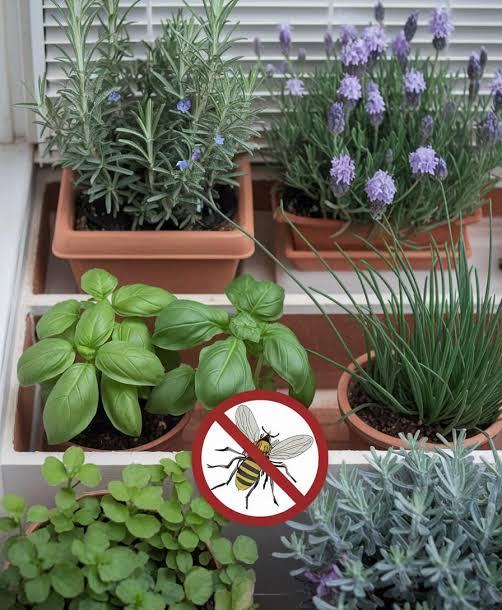
Peppermint, lavender, lemongrass, rosemary, basil, marigolds, catnip, mint, and chrysanthemums all contain aromatic or naturally occurring compounds that have been studied for effects on various insects or are commonly used in pest-management strategies.
But there is an important lesson to remember:
A plant is not a pesticide.
Its presence alone is unlikely to eliminate an established infestation, and results can vary considerably depending on the pest, plant variety, climate, and growing conditions.
For the best results, combine plants with practical measures such as sealing entry points, removing standing water, storing food properly, reducing clutter, maintaining screens, and keeping outdoor areas clean.
Used this way, your garden can become more than just a beautiful part of your home—it can be one small component of a broader, more sensible approach to keeping unwanted pests under control.