🩺 If Your Kidneys Are in Danger, Your Body May Show These 8 Warning Signs
Your kidneys work around the clock to filter waste, balance fluids, regulate blood pressure, and support many essential functions in the body. The problem is that kidney disease often develops silently, with symptoms appearing only after significant damage has already occurred.
That's why recognizing the early warning signs can be so important. Here are eight symptoms doctors say should never be ignored.
1. Changes in Urination
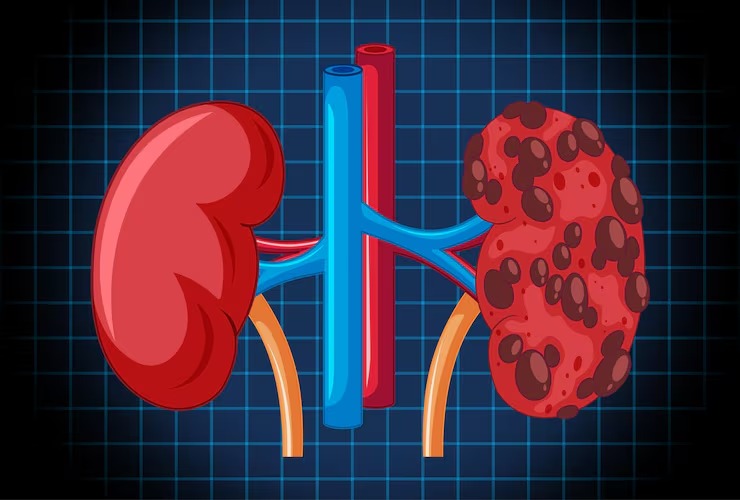
One of the earliest signs of kidney problems is a noticeable change in your urination habits.
You may find yourself:
- Urinating more often, especially at night
- Producing less urine than usual
- Seeing foamy or bubbly urine
- Noticing blood in the urine
- Experiencing difficulty urinating
Since the kidneys are responsible for producing urine, changes in frequency, color, or appearance can sometimes indicate that they are not functioning properly.
2. Swelling in the Feet, Ankles, Hands, or Face
Healthy kidneys remove excess fluid and sodium from the body. When kidney function declines, fluid can accumulate in tissues, causing swelling known as edema.
Many people first notice:
- Puffy ankles
- Swollen feet
- Tight shoes
- Swelling around the eyes, especially in the morning
Persistent swelling should always be discussed with a healthcare professional.
3. Constant Fatigue and Weakness
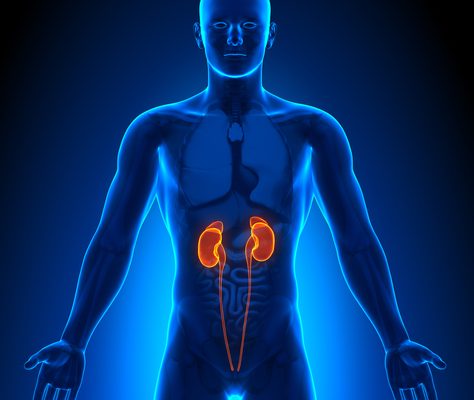
Feeling exhausted all the time isn't always due to stress or poor sleep.
Damaged kidneys may produce less erythropoietin, a hormone that helps the body make red blood cells. This can lead to anemia, reducing oxygen delivery throughout the body and causing fatigue, weakness, and difficulty concentrating.
4. Persistent Itchy or Dry Skin
Your kidneys help maintain the proper balance of minerals and nutrients in the blood.
When kidney function declines, waste products and mineral imbalances can build up, leading to:
- Persistent itching
- Dry skin
- Skin irritation that doesn't improve with moisturizers
Although many skin conditions can cause itching, ongoing symptoms may sometimes be linked to kidney health.
5. Shortness of Breath
Difficulty breathing can occasionally be related to kidney problems.
When kidneys cannot remove excess fluid efficiently, fluid may accumulate in the lungs. In addition, kidney-related anemia may reduce oxygen delivery to tissues, making breathing feel more difficult.
If shortness of breath is sudden or severe, seek immediate medical attention.
6. Poor Appetite, Nausea, or Metallic Taste

As waste products build up in the bloodstream, many people begin experiencing digestive symptoms such as:
- Loss of appetite
- Nausea
- Vomiting
- Food tasting different
- A metallic taste in the mouth
Some individuals even notice breath that smells unusual or ammonia-like.
7. Trouble Concentrating or Dizziness
The buildup of toxins in the bloodstream may affect brain function.
People with declining kidney function sometimes report:
- Difficulty focusing
- Poor concentration
- Memory problems
- Mental fog
- Dizziness
These symptoms can easily be mistaken for stress, aging, or lack of sleep.
8. Muscle Cramps and Sleep Problems
Frequent muscle cramps, particularly in the legs, can occur when kidney-related electrolyte imbalances develop.
Many people with kidney disease also experience:
- Difficulty falling asleep
- Frequent nighttime awakenings
- Poor sleep quality
- Daytime fatigue
These symptoms may seem unrelated, but they can sometimes be connected to impaired kidney function.
Who Is Most at Risk?
Your risk of kidney disease may be higher if you have:
- High blood pressure
- Diabetes
- Heart disease
- Obesity
- A family history of kidney disease
- Long-term use of certain pain medications
People in these groups should consider regular kidney health screenings.
The Bottom Line
Kidney disease is often called a "silent" condition because symptoms may not appear until substantial damage has occurred. However, changes in urination, swelling, fatigue, itchy skin, shortness of breath, appetite changes, difficulty concentrating, and muscle cramps can all be warning signs that deserve attention.
If you experience several of these symptoms or have risk factors such as diabetes or high blood pressure, consult a healthcare professional. Early detection can make a significant difference in protecting your kidney health and preventing further damage.