Kidney Disease on the Rise: Doctors Warn These 3 Foods May Slowly Damage Your Kidneys
Kidney disease is becoming increasingly common around the world, and health experts say many people do not realize their kidneys are under stress until significant damage has already occurred.
The kidneys play a vital role in filtering waste, balancing minerals, controlling blood pressure, and removing excess fluid from the body. But when they become damaged, toxins and waste products can build up in the bloodstream, potentially leading to serious health problems.
Doctors say one major factor linked to declining kidney health is diet — especially the regular consumption of heavily processed foods high in sodium, phosphorus additives, sugar, and unhealthy fats.
Here are three foods and beverages experts warn people should consume with caution to help protect kidney health.
1. Dark-Colored Soda

Dark sodas, especially cola drinks, are often mentioned by kidney specialists as one of the worst beverages for kidney health.
These drinks frequently contain:
- Added phosphorus
- Large amounts of sugar
- Artificial additives
- Caffeine
According to experts, phosphorus additives in soda are highly absorbable by the body, forcing the kidneys to work harder to remove excess phosphorus from the bloodstream. Over time, this may contribute to kidney strain and mineral imbalances.
Sugary soft drinks are also associated with obesity, high blood pressure, and type 2 diabetes — all major risk factors for chronic kidney disease.
Doctors recommend:
- Drinking more water
- Replacing soda with unsweetened beverages
- Limiting sugary drinks whenever possible
2. Processed Meats

Processed meats such as bacon, sausage, hot dogs, deli meats, and pepperoni may be convenient, but doctors warn they can put extra stress on the kidneys.
These foods are often loaded with:
- Sodium
- Preservatives
- Saturated fats
- Excess protein
Too much sodium may increase blood pressure and fluid retention, both of which can worsen kidney function.
Some kidney specialists also warn that excessive intake of processed animal protein may increase the kidneys’ workload, especially in people who already have kidney disease.
Health experts generally recommend choosing fresher protein sources such as:
- Fish
- Eggs
- Skinless chicken
- Plant-based proteins (when appropriate)
3. Highly Processed and Salty Foods
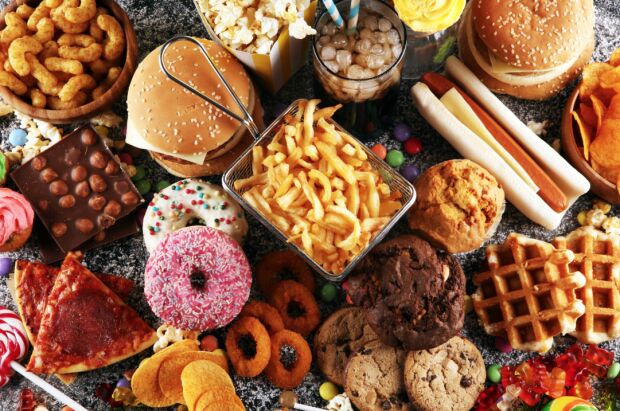
Instant noodles, frozen meals, canned soups, chips, fast food, and packaged snacks are among the foods most commonly linked to excess sodium intake.
Doctors say these foods may silently contribute to:
- High blood pressure
- Fluid retention
- Increased kidney strain
Research consistently shows that too much sodium can damage blood vessels and place additional pressure on the kidneys over time.
Many packaged foods also contain hidden phosphorus additives, which may be especially harmful for people with chronic kidney disease.
Experts advise:
- Reading food labels carefully
- Choosing low-sodium options
- Cooking more meals at home when possible
Why Kidney Disease Often Goes Undetected
One reason kidney disease is so dangerous is that symptoms may not appear until the condition has progressed significantly.
Possible warning signs may include:
- Fatigue
- Swelling in the legs or ankles
- Frequent urination
- Foamy urine
- High blood pressure
- Muscle cramps
- Difficulty concentrating
People with diabetes, obesity, or hypertension may face a higher risk of kidney disease and should pay close attention to kidney health.
Experts Say Balance Matters
Doctors also emphasize that not every person with kidney disease needs to completely avoid the same foods. Dietary recommendations often depend on:
- Kidney function level
- Blood test results
- Potassium and phosphorus levels
- Overall health conditions
Some renal dietitians warn that people sometimes become overly restrictive without medical guidance. Experts recommend working with a healthcare professional or renal dietitian to create an individualized plan.
Final Thoughts
Your kidneys work around the clock to keep your body balanced and healthy. While occasional treats are unlikely to cause major harm in healthy individuals, regularly consuming large amounts of soda, processed meats, and salty packaged foods may increase stress on the kidneys over time.
Small dietary changes — such as reducing sodium, drinking more water, and choosing fresher foods — may help support long-term kidney health.
Sources
- Healthline – Foods to Avoid With Kidney Disease
- Medical News Today – Foods Bad for Kidneys
- Verywell Health – Foods to Avoid With Kidney Disease
- National Kidney Foundation