Body Weight
Higher body weight can increase mechanical stress on weight-bearing joints such as the knees.
Body fat may also have metabolic effects that influence inflammation.
Even relatively modest weight reduction, when appropriate and achieved safely, may reduce symptoms and improve physical function for some people with knee osteoarthritis.
Genetics
Family history can also influence susceptibility.
Some people may be more genetically predisposed to osteoarthritis than others.
Repetitive Joint Stress
Certain occupations and sports can place repeated stress on the knees.
That does not mean exercise causes arthritis.
In fact, appropriate physical activity is generally beneficial for joint health.
The key is matching activity to your condition and physical abilities.
What Can You Do If Your Knees Hurt?
If symptoms are mild and occasional, simple measures may help.
One important principle is to avoid complete inactivity.
Many people assume that a painful knee should simply be rested as much as possible.
But prolonged inactivity can lead to muscle weakness and loss of physical function.
Instead, healthcare professionals often recommend appropriate, low-impact physical activity.
Examples may include:
-
Walking
-
Cycling
-
Swimming
-
Water exercise
-
Strength training
-
Range-of-motion exercises
The appropriate activity depends on your symptoms and overall health.
If a particular movement causes significant pain, don't simply push through it.
A physical therapist can help develop an exercise program that strengthens the muscles supporting the knee while taking your limitations into account.
Strengthening the Muscles Around the Knee Matters
The muscles surrounding the knee, particularly the quadriceps and other muscles of the legs and hips, contribute to movement and joint stability.
When these muscles become weak, everyday activities may become more difficult.
A properly designed strengthening program can help improve strength and physical function.
Exercises may include variations of:
-
Straight-leg raises
-
Sit-to-stand movements
-
Step-ups
-
Controlled squats
-
Leg-strengthening exercises
-
Hip-strengthening exercises
However, exercises should be adapted to the individual.
If you already have significant pain, swelling, or limited mobility, getting professional guidance can help you exercise more safely.
Weight Management Can Also Help
For people who are overweight or obese, reducing excess body weight can reduce the mechanical load placed on the knees.
It can also have broader health benefits.
Importantly, weight management should not be presented as a matter of simply “trying harder.”
Sustainable changes in nutrition, physical activity, sleep, medications, medical conditions, and other factors may all play a role.
Even if weight loss is not part of your personal treatment plan, regular movement and strengthening can still be valuable.
What About Pain Relievers?
Depending on your health history, medications may sometimes be used to help manage osteoarthritis pain.
Options can include topical medications or oral pain relievers, but not every medication is appropriate for everyone.
For example, certain anti-inflammatory medications can have risks involving the stomach, kidneys, heart, blood pressure, or interactions with other medications.
That's why regularly using pain medication—especially if you have other medical conditions—should be discussed with a healthcare professional or pharmacist.
Avoid assuming that an over-the-counter medication is automatically safe simply because it is available without a prescription.
When Should You See a Doctor?
You don't necessarily need medical attention for every occasional ache.
But consider getting evaluated if:
-
Knee pain keeps returning
-
Symptoms are gradually getting worse
-
Stiffness interferes with daily activities
-
Your knee repeatedly swells
-
You have difficulty walking
-
Your range of motion is decreasing
-
You have persistent pain despite modifying activity
-
You have a history of significant knee injury
A healthcare professional can determine whether osteoarthritis is actually the cause.
Diagnosis may involve your medical history, physical examination, and sometimes imaging such as an X-ray.
Importantly, an X-ray finding does not always perfectly match the amount of pain someone experiences.
Some people have substantial structural changes with relatively little pain, while others experience significant symptoms despite less dramatic imaging findings.
When Knee Pain Requires More Urgent Attention
Not every painful knee is osteoarthritis.
Seek prompt medical attention if your knee becomes suddenly:
-
Very swollen
-
Red
-
Hot
-
Extremely painful
Especially if these symptoms occur with fever or feeling seriously unwell.
A sudden inability to bear weight after an injury, an obvious deformity, or severe pain following trauma can also require urgent assessment.
These situations may involve an acute injury, infection, gout, or another condition that needs treatment beyond typical osteoarthritis management.
Don't Assume Every Knee Pain Is Arthritis
This may be one of the most important points.
Knee pain has many possible causes.
It can result from:
-
Ligament injuries
-
Meniscus problems
-
Tendinitis
-
Bursitis
-
Gout
-
Inflammatory arthritis
-
Infection
-
Muscle problems
-
Nerve-related conditions
-
Osteoarthritis
The location, timing, severity, associated symptoms, and history of injury all provide important clues.
So if your knee hurts, don't automatically conclude that you have arthritis.
Persistent symptoms deserve evaluation rather than guesswork.
Listen to Your Knees Before Small Problems Become Big Limitations
Knee osteoarthritis often develops gradually.
That means the earliest warning signs can be easy to overlook.
Maybe your knees feel stiff when you first stand up.
Maybe stairs have become uncomfortable.
Maybe you notice swelling after a long walk.
Maybe your knee makes grinding or clicking sounds that occur alongside pain.
Or perhaps you simply can't bend or straighten your knee as easily as you once could.
None of these symptoms proves that you have osteoarthritis.
But together, persistent changes can be a reason to pay closer attention.
The goal isn't to become afraid of every ache or creak.
It's to recognize when a temporary discomfort has become a pattern.
The Bottom Line
Knee pain and stiffness are common, but they shouldn't automatically be dismissed as an unavoidable part of aging.
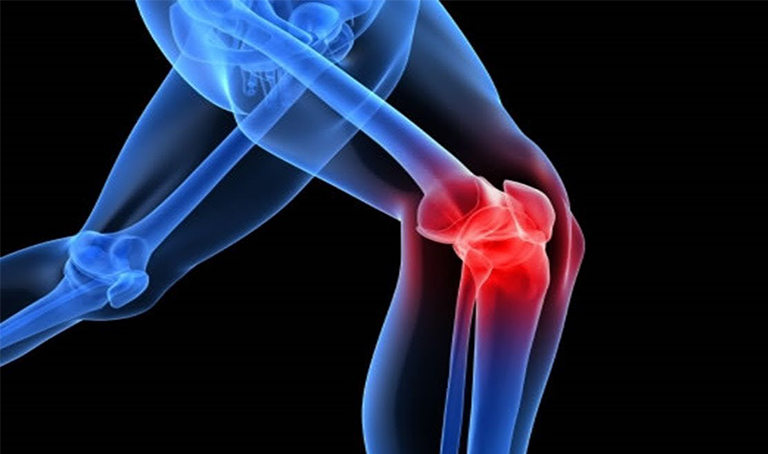
Pain with activity, stiffness after rest, swelling, grinding or clicking sensations, and reduced range of motion are among the symptoms that can occur with knee osteoarthritis.
The earlier persistent symptoms are recognized, the sooner you can discuss appropriate strategies for protecting mobility and maintaining quality of life.
That may involve exercise, strength training, weight management when appropriate, physical therapy, pain management, or other treatments based on the individual situation.
Most importantly, don't diagnose yourself from symptoms alone.
If your knee has been hurting, swelling, stiffening, or becoming harder to move, consider having it evaluated - especially if the problem is persistent or getting worse.
Your knees carry you through countless ordinary moments every day.
Paying attention to them now can help you stay active and independent for years to come.