However, refrigeration does not stop food from deteriorating. It only slows many of the processes responsible for spoilage. Certain bacteria can continue multiplying at low temperatures, while other microorganisms may survive refrigeration and become dangerous if food is stored improperly, handled carelessly, or kept for too long.
This is why food that looks perfectly normal can sometimes present a health risk. A container of leftovers may have no unpleasant smell. A package of deli meat may still appear fresh. A bowl of cooked rice may look exactly as it did when it was first prepared. Yet appearances alone cannot reliably determine whether food is safe to eat.
Among the many items commonly stored in household refrigerators, three deserve particular attention: cooked rice, deli meats, and soft cheeses. Each has different storage concerns, and understanding those differences can help reduce the risk of foodborne illness.
The good news is that keeping these foods safely does not require complicated equipment or expensive products. A few practical habits, including controlling refrigerator temperature, using airtight containers, labeling leftovers, and following recommended storage periods, can make a meaningful difference.
Let's take a closer look at why these three foods require attention, how they can become unsafe, and what you can do to protect yourself and your family.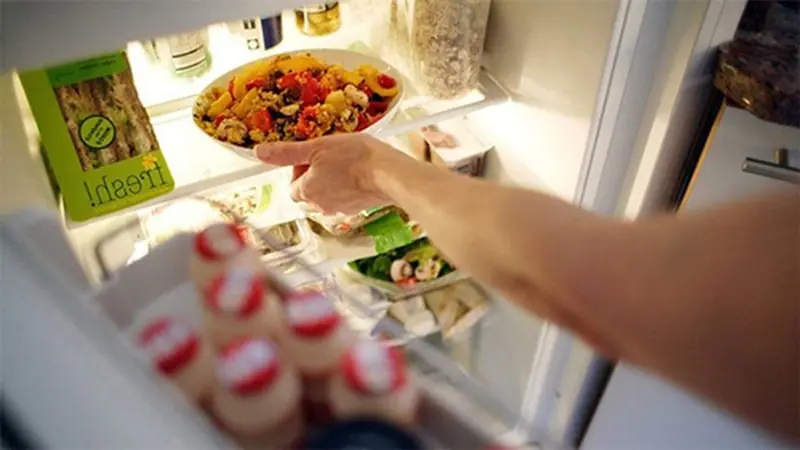
CHAPTER 1: COOKED RICE – A COMMON LEFTOVER THAT CAN BECOME A FOOD SAFETY CONCERN
Rice is one of the most widely consumed foods in the world. It appears in countless meals, from simple family dinners to restaurant dishes, packed lunches, fried rice, rice salads, and casseroles.
Because rice is inexpensive, versatile, and easy to prepare in large quantities, many households regularly cook more than they need. The remaining portions are often placed in the refrigerator and saved for another meal.
This practice can be perfectly reasonable, but cooked rice requires careful handling.
One of the main food safety concerns associated with cooked rice is a bacterium called Bacillus cereus. Its spores can naturally occur in uncooked rice and other agricultural products. These spores may survive the cooking process because they are more resistant to heat than ordinary bacterial cells.
When cooked rice is left at room temperature for an extended period, surviving spores can germinate and produce bacteria. Under suitable conditions, these bacteria may multiply and produce toxins.
Certain toxins associated with Bacillus cereus can cause food poisoning. One type is associated with vomiting, while another is associated with diarrhea and abdominal discomfort.
Symptoms may include nausea, vomiting, stomach cramps, and watery diarrhea. They can develop relatively quickly, depending on the type of toxin involved.
The important point is that cooking rice does not automatically eliminate every possible food safety concern. If the cooked rice is subsequently left in warm conditions, bacteria can multiply and create a problem.
Why refrigeration does not guarantee safety
Many people believe that placing rice in the refrigerator immediately makes it safe for several days. Refrigeration is important, but it cannot reverse unsafe handling that has already occurred.
If rice has remained at room temperature for too long before being refrigerated, putting it in a cold environment will not necessarily make it safe again.
Some bacterial toxins are also heat-stable. This means that reheating contaminated rice may not destroy toxins that have already formed.
For this reason, reheating should never be considered a way to rescue rice that has been stored improperly.
How long can cooked rice stay in the refrigerator?
Food safety recommendations vary slightly between authorities and storage conditions. A cautious household practice is to refrigerate cooked rice promptly, cool it quickly in shallow containers, and use it within one day when following conservative rice-specific guidance.
Other general leftover guidelines allow properly refrigerated leftovers to be kept for approximately three to four days. However, rice deserves particular care because of the potential presence of Bacillus cereus.
If you are unsure how long rice has been stored or whether it was cooled properly, discarding it is the safer decision.
The correct way to store cooked rice
The first important step is to avoid leaving cooked rice sitting on the kitchen counter for hours.
After cooking, divide large quantities into smaller portions. Place them in clean, shallow containers so that heat can escape more quickly. Refrigerate promptly rather than waiting until the rice has completely cooled at room temperature.
Keep the refrigerator at 40°F (4°C) or below. Store rice in a covered container to reduce contamination from other foods and prevent it from absorbing odors.
When reheating rice, heat it thoroughly until steaming hot throughout. If using a microwave, stir the rice during heating to help distribute heat evenly. Avoid repeatedly cooling and reheating the same portion.
A useful habit is to divide rice into individual meal portions before refrigerating it. This allows you to remove only what you need instead of repeatedly exposing the entire container to room temperature.
What about fried rice and restaurant leftovers?
Fried rice can present similar concerns because it is often prepared using previously cooked rice.
If cooked rice was left at room temperature before being used in a fried rice dish, frying it later does not necessarily eliminate toxins that may already have formed.
The same principle applies to takeout meals. If you bring home a rice-based dish, refrigerate it promptly and do not leave it in a warm car or on the dining table for an extended period.
Rice salads, rice bowls, and other dishes containing cooked rice also require proper temperature control.