Signs of dehydration may include a very dry mouth, reduced urination, dizziness when standing, and unusual tiredness.
Young children, older adults, pregnant women, and people with weakened immune systems should seek medical advice promptly if they develop symptoms that could indicate foodborne illness.
Pregnant women should contact a healthcare professional if they develop fever or flu-like symptoms after eating a food associated with Listeria risk.
Do not attempt to diagnose a serious infection based only on the food you suspect caused it.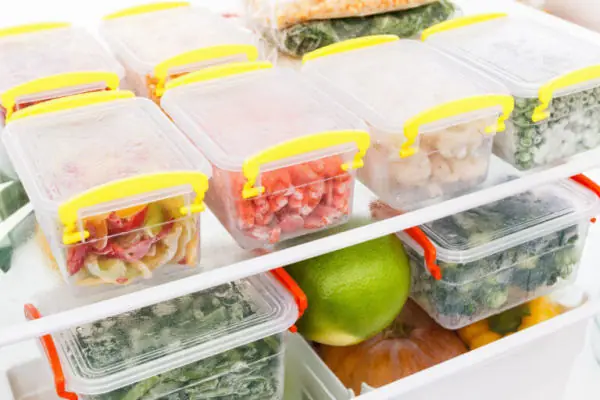
Why vulnerable groups need extra protection
Some people are more likely to experience severe complications from foodborne infections.
Pregnancy can change the immune system, making certain infections more dangerous. Listeria is particularly concerning because it can cross the placenta and affect the developing baby.
Older adults may have weaker immune responses and may be more vulnerable to dehydration and complications.
People receiving chemotherapy, individuals with certain chronic illnesses, and those taking immune-suppressing medications may also face higher risks.
For these groups, avoiding high-risk foods and following safe storage practices is especially important.
Can you tell whether food is safe by smell or appearance?
This is one of the most common misunderstandings about refrigerated food.
People often believe that food is safe if it looks normal and does not smell bad.
Unfortunately, many harmful microorganisms do not produce noticeable changes in smell, color, or texture.
A package of deli meat may look fresh while containing bacteria. Cooked rice may smell perfectly normal even after unsafe storage. Soft cheese may appear unchanged despite contamination.
The reverse can also happen: food may develop an unpleasant smell or texture because of ordinary spoilage organisms without necessarily containing a specific dangerous pathogen.
For this reason, appearance and smell should be treated as warning indicators, not reliable safety tests.
Never taste questionable food to see whether it is safe.
What about freezing food?
Freezing is a useful way to extend the storage life of many foods.
At temperatures of 0°F (-18°C) or below, microbial growth is stopped or greatly slowed. However, freezing does not reliably destroy all harmful bacteria or toxins.
If food was contaminated or improperly handled before freezing, those problems may remain after it thaws.
For example, freezing cooked rice that has already been left at room temperature for too long does not make it safe again.
When freezing leftovers, divide them into suitable portions, use freezer-safe containers, and label them with the date.
Thaw food safely in the refrigerator, in cold water with appropriate precautions, or in the microwave if it will be cooked immediately. Avoid leaving perishable foods to thaw on the kitchen counter.
How to build a simple weekly refrigerator routine
A little organization can prevent many common food storage mistakes.
At the beginning of each week, check the refrigerator and identify foods that should be used soon.
Look at opened packages of deli meat, soft cheeses, cooked rice, and other leftovers.
Remove foods that have exceeded recommended storage periods or have an uncertain history.
Wipe up spills, check the refrigerator temperature, and make sure raw ingredients are stored separately from ready-to-eat foods.
When preparing meals, cook only the amount needed when possible. If you prepare extra portions, divide them into shallow containers and refrigerate them promptly.
Before eating leftovers, check the preparation date and storage history rather than relying only on appearance.
These habits are simple, but they create a more consistent approach to food safety.
A practical refrigerator checklist
Use this quick checklist to review your daily habits:
-
Keep the refrigerator at 40°F (4°C) or below.
-
Refrigerate perishable food within two hours, or within one hour in temperatures above 90°F (32°C).
-
Cool cooked rice quickly in shallow containers.
-
Use cooked rice promptly and follow conservative storage guidance.
-
Keep deli meats sealed and use opened packages within the recommended period.
-
Choose pasteurized dairy products when appropriate, especially for higher-risk individuals.
-
Store soft cheeses according to their package instructions.
-
Keep raw meat and seafood separate from ready-to-eat foods.
-
Label leftovers with preparation or opening dates.
-
Discard food with an uncertain storage history.
-
Never taste food to determine whether it is safe.
-
Clean refrigerator shelves and drawers regularly.
Final Thoughts: A Cold Refrigerator Does Not Guarantee Safe Food
The refrigerator is essential for keeping food fresh, but it should never create a false sense of security.
Cooked rice, deli meats, and soft cheeses are three everyday foods that deserve particular attention because of the microorganisms that may be associated with them and the conditions under which they are commonly stored.
Cooked rice can become hazardous when surviving Bacillus cereus spores are allowed to grow and produce toxins. Refrigerated deli meats can carry Listeria, a bacterium capable of growing at low temperatures. Soft cheeses require careful handling because their moisture content, production methods, and storage conditions can influence microbial growth.
The solution is not to stop eating these foods. Instead, it is to understand their storage requirements and handle them responsibly.
Keep your refrigerator cold enough, refrigerate leftovers promptly, use clean containers, separate raw and cooked foods, and pay attention to storage dates.
Most importantly, remember that food safety cannot be judged by smell or appearance alone. A meal that looks fresh may still be unsafe if it has been stored improperly.
Small changes in everyday kitchen habits can significantly reduce unnecessary risks. Whether you are preparing lunch for yourself, storing dinner for tomorrow, or organizing groceries for your family, a little extra attention can help make every meal safer.
When was the last time you checked how long your leftovers had been sitting in the refrigerator? You might be surprised by what you find.