
What Vertical Ridges on Your Nails Really Mean
Vertical ridges on the fingernails are something many people begin to notice as they move into their 40s and beyond. These raised or indented lines run from the base of the nail all the way to the tip and can appear deeper or more defined with age. For most individuals, this change is completely normal. It reflects the natural slowing of nail cell turnover and the gradual reduction in moisture and oil production that occurs as part of the aging process. When the nail grows more slowly, the surface may appear less smooth, causing ridges to stand out more clearly.
Several everyday factors can make these ridges even more visible. Frequent handwashing, repeated exposure to soaps and detergents, and using harsh cleaning products without gloves can strip the nails of essential oils, leading to dryness and uneven texture. Environmental conditions such as cold weather or dry indoor air from heaters can also contribute. In addition, overall nail health is closely tied to internal wellness. Nutritional imbalances—particularly deficiencies in biotin, iron, zinc, or protein—may influence how the nail plate forms. When paired with symptoms like fatigue, brittle hair, or pale skin, changes in nail texture may hint at underlying nutrient shortages.
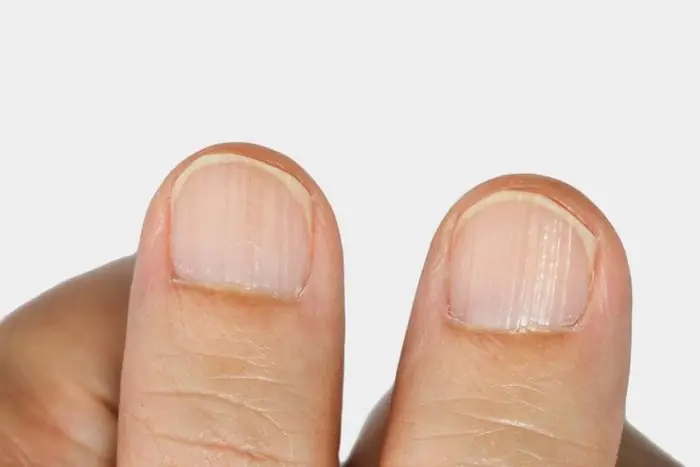
Although most vertical ridges develop slowly and have harmless explanations, it’s still important to stay aware of your nail health. In rare cases, sudden or dramatic changes may signal issues affecting the skin, immune system, thyroid function, or circulation. Nails can sometimes reflect health problems before other symptoms appear. Warning signs such as pain, swelling around the nail, significant thickening, discoloration, or dark streaks that appear unexpectedly should always be evaluated by a healthcare professional to rule out more serious conditions.

Fortunately, caring for your nails and reducing the appearance of ridges is relatively simple. Regular moisturizing with hand cream or cuticle oil helps keep the nail surface hydrated and flexible. Drinking enough water and following a balanced diet rich in vitamins, minerals, and healthy fats supports healthy nail growth from the inside out. Using protective gloves when cleaning, avoiding overly aggressive buffing, and choosing gentle manicure tools can prevent damage and maintain nail strength.
Vertical ridges are a normal part of aging for most people, but with consistent, mindful care, you can encourage smoother, healthier-looking nails and support their overall resilience as you grow older.
What Vertical Ridges on Your Fingernails Really Mean: Normal Aging, Nail Care, and Warning Signs You Should Never Ignore
1. Introduction: Why Do Vertical Ridges Appear on Fingernails?
Have you ever looked closely at your fingernails and noticed fine lines running from the base of each nail toward the tip? Perhaps the lines have become more noticeable over the years, or your nails no longer look as smooth as they once did.
You are not alone. Vertical nail ridges are common, particularly as people get older. For most individuals, these lines are a normal variation in nail texture rather than a sign of a serious medical condition.
According to the Mayo Clinic, vertical ridges frequently become more prominent with age because of changes in the way nail cells grow and renew themselves. In many cases, they require no medical treatment. Mayo Clinic
Nevertheless, not every nail change should be dismissed as a natural consequence of aging. The appearance of a nail, the speed at which a change develops, whether one or several nails are affected, and the presence of other symptoms can all provide useful clues.
The most important distinction is between longstanding, fine vertical lines and new or unusual changes in nail color, thickness, shape, or growth.
Understanding this difference can help you care for your nails appropriately without becoming unnecessarily worried about ordinary changes.
2. What Are Vertical Nail Ridges?
Vertical nail ridges, medically described as longitudinal ridges, are raised lines or shallow grooves that extend along the length of a nail.
They usually run from the cuticle—the skin surrounding the base of the nail—toward the free edge at the fingertip.
Depending on the individual, these lines may be barely visible or sufficiently pronounced to make the nail surface feel uneven.
Some people have ridges on nearly every fingernail, while others notice them mainly on their thumbs or index fingers. The depth and visibility of the ridges can also differ from one nail to another.
How fingernails grow
To understand why ridges appear, it helps to know a little about nail anatomy.
Most of the visible nail plate consists of hardened keratin, a structural protein also found in hair and the outer layer of skin.
The nail plate is produced by the nail matrix, a specialized area of tissue beneath the skin at the base of the nail. As new cells develop and mature, they contribute to the formation of the nail plate, which gradually moves forward over the nail bed.
The visible nail is therefore a record of ongoing growth.
When the nail matrix produces cells in a pattern that creates slight variations in the nail surface, longitudinal lines may become visible.
These lines can occur naturally and do not necessarily indicate that the nail is damaged or that the body is missing an essential nutrient.