
Drooling While Sleeping Is More Common Than You Think — Here’s Why
Frequent Drooling During Sleep? These Possible Causes May Surprise You
Health 12/05/2026 11:21
Many people assume that a large belly is simply caused by overeating or excess body fat. While belly fat is very common, doctors warn that abdominal enlargement can sometimes be linked to liver disease or fluid buildup in the abdomen.
In some cases, what appears to be ordinary weight gain may actually be a sign that the liver is under stress. Understanding the difference between belly fat and possible liver-related swelling can help people recognize when medical attention may be needed.
Here’s how to tell the difference.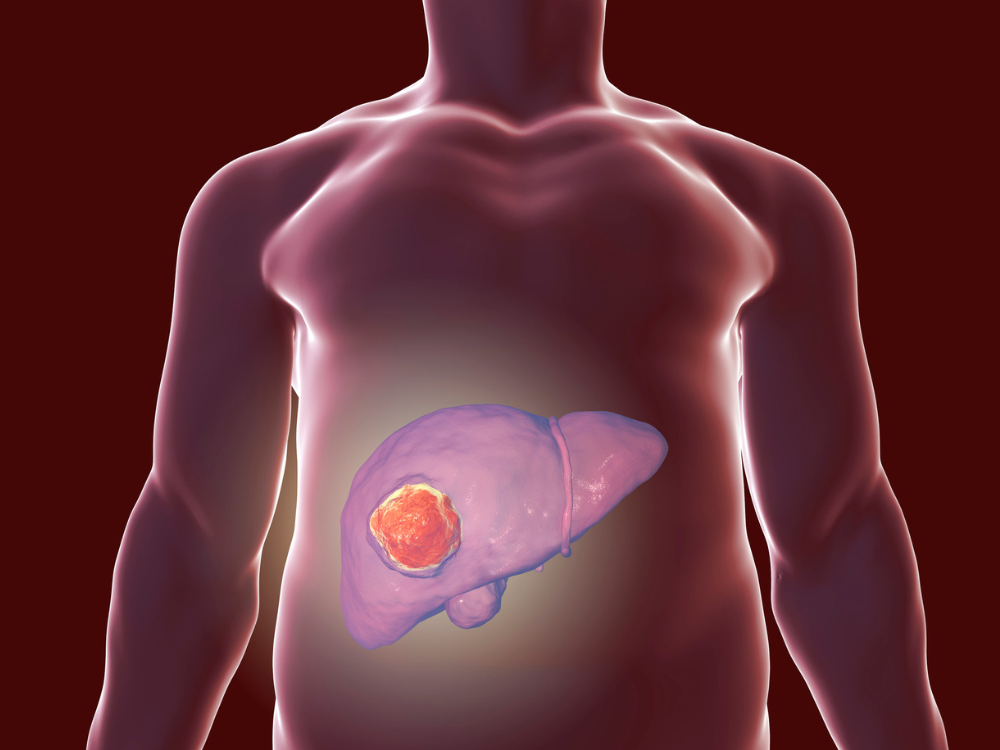
Belly fat is the accumulation of fat around the abdomen. It can develop gradually due to:
There are two main types:
Visceral fat is considered more dangerous because it is linked to conditions such as diabetes, heart disease, and fatty liver disease.
Certain liver conditions can cause swelling in the abdomen that may look different from ordinary fat.
One common cause is ascites, a condition where fluid builds up inside the abdomen due to liver damage, especially advanced liver disease or cirrhosis.
Fatty liver disease may also contribute to abdominal enlargement over time.
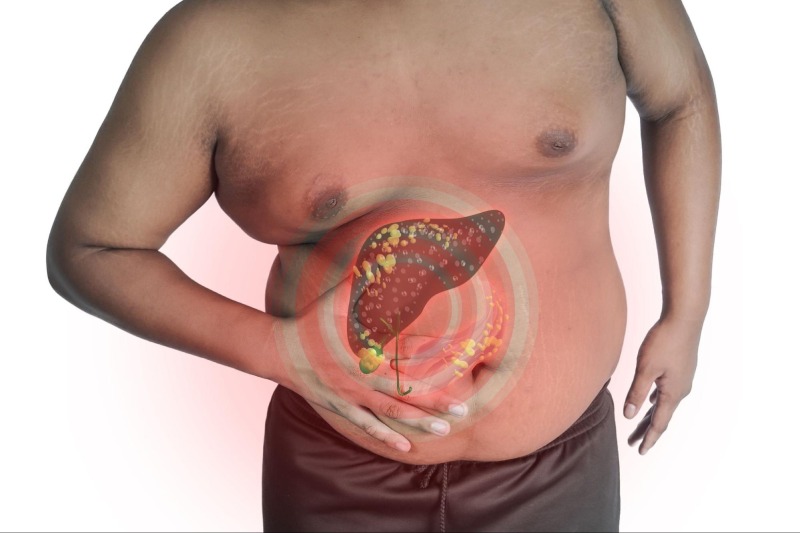
Some people describe the stomach as feeling “full of pressure.”
Weight gain from fat typically develops slowly.
However, liver-related abdominal swelling can appear:
Rapid swelling should never be ignored.
Liver disease often causes additional warning signs beyond belly enlargement.
Possible symptoms include:
These symptoms may indicate that the liver is struggling to function properly.

People with ordinary belly fat often notice softness throughout the abdomen.
With fluid buildup related to liver disease:
In severe cases, the abdomen may continue growing despite reduced eating.
One unusual sign of liver disease is that some people develop a large abdomen while simultaneously losing muscle or weight elsewhere in the body.
For example:
This pattern is less common with simple weight gain.
Several conditions may damage the liver over time, including:
Non-alcoholic fatty liver disease (NAFLD) has become increasingly common worldwide.
Experts recommend medical evaluation if you notice:
Doctors may use blood tests, ultrasounds, or imaging scans to evaluate liver health.
In many cases, healthy lifestyle habits may help reduce the risk of liver disease.
Helpful habits include:
Regular medical checkups can also help detect liver problems early.
A large belly does not always mean excess fat. Sometimes the body may be signaling an underlying health issue involving the liver.
While many cases of abdominal enlargement are related to weight gain, sudden swelling, tightness, or additional symptoms should not be ignored. Paying attention to changes in your body and seeking medical advice when something feels unusual can make an important difference.
Sometimes the body gives quiet warnings before more serious problems appear.
Frequent Drooling During Sleep? These Possible Causes May Surprise You

What Happens to Your Body When You Eat Eggs and Sweet Potatoes in the Morning?




How to Help Remove Phlegm Naturally: 9 Helpful Methods to Try

10 Early Bre.ast Can.cer Symptoms That Shouldn’t Be Ignored

10 Clues Your Body May Be Giving You About Kidney Disease



The Possible Benefits of Eating a Banana Before Sleeping
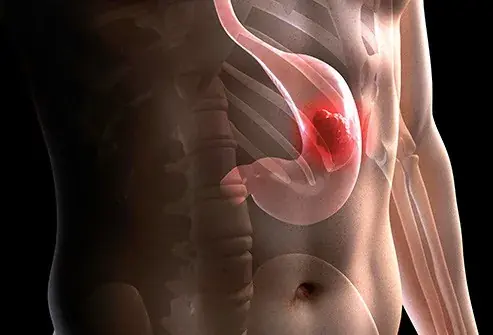
Doctors Say These Symptoms Could Appear Before Sto.mach Can.cer Is Detected
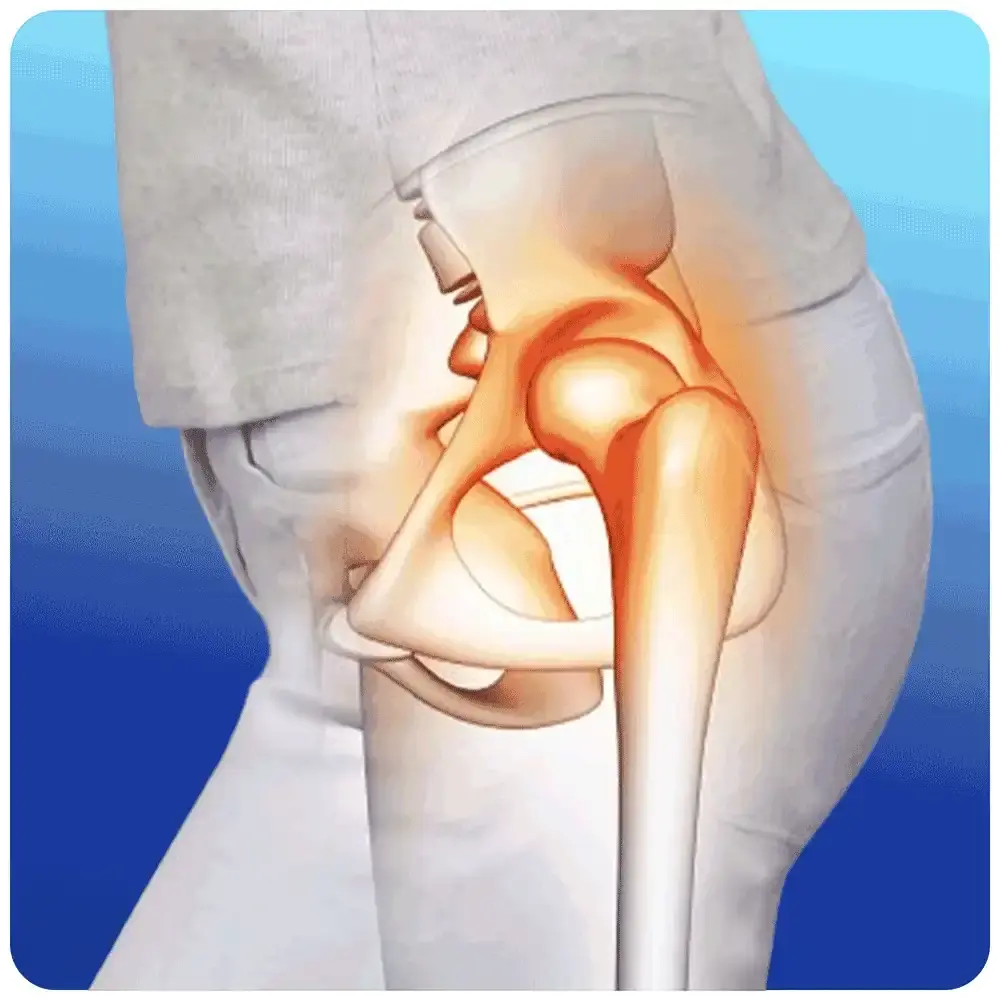
What Your Hip Pain May Actually Mean for Your Health
Frequent Drooling During Sleep? These Possible Causes May Surprise You
Before You Eat Another Handful of Peanuts, Read This…

Brushing Your Teeth Correctly Isn’t Just About Frequency - Timing Matters Too
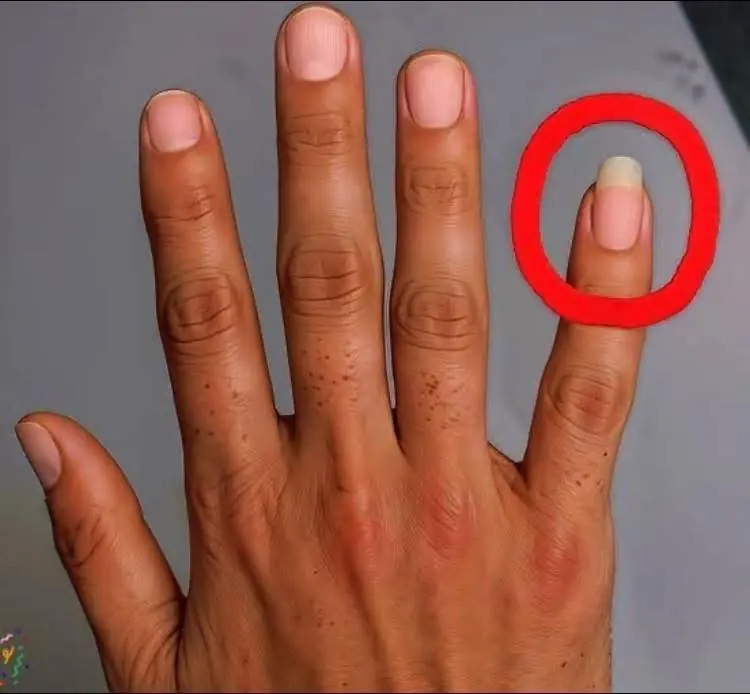
The Curious Habit of Growing One Long Nail: Why Some Men Do It
What Happens to Your Body When You Eat Eggs and Sweet Potatoes in the Morning?
How to Help Remove Phlegm Naturally: 9 Helpful Methods to Try

10 Early Bre.ast Can.cer Symptoms That Shouldn’t Be Ignored
10 Clues Your Body May Be Giving You About Kidney Disease