When people hear the word “vegetables,” they often assume that every vegetable is automatically a good choice for managing diabetes.
For the most part, vegetables can absolutely be part of a diabetes-friendly eating pattern. They provide fiber, vitamins, minerals, and other nutrients while helping add volume and variety to meals.
But there is an important detail that is sometimes overlooked: not all vegetables affect blood glucose in exactly the same way.
Some vegetables contain considerably more carbohydrate than leafy greens or non-starchy vegetables. Others are commonly prepared in forms that add sugar, refined carbohydrates, or large amounts of fat. And portion size can make a significant difference.
That doesn't mean people with diabetes need to completely eliminate these foods.
Instead, understanding which vegetables contain more carbohydrate, how they are prepared, and how much you eat can make it easier to manage blood sugar.
Here are seven vegetables that deserve a closer look.
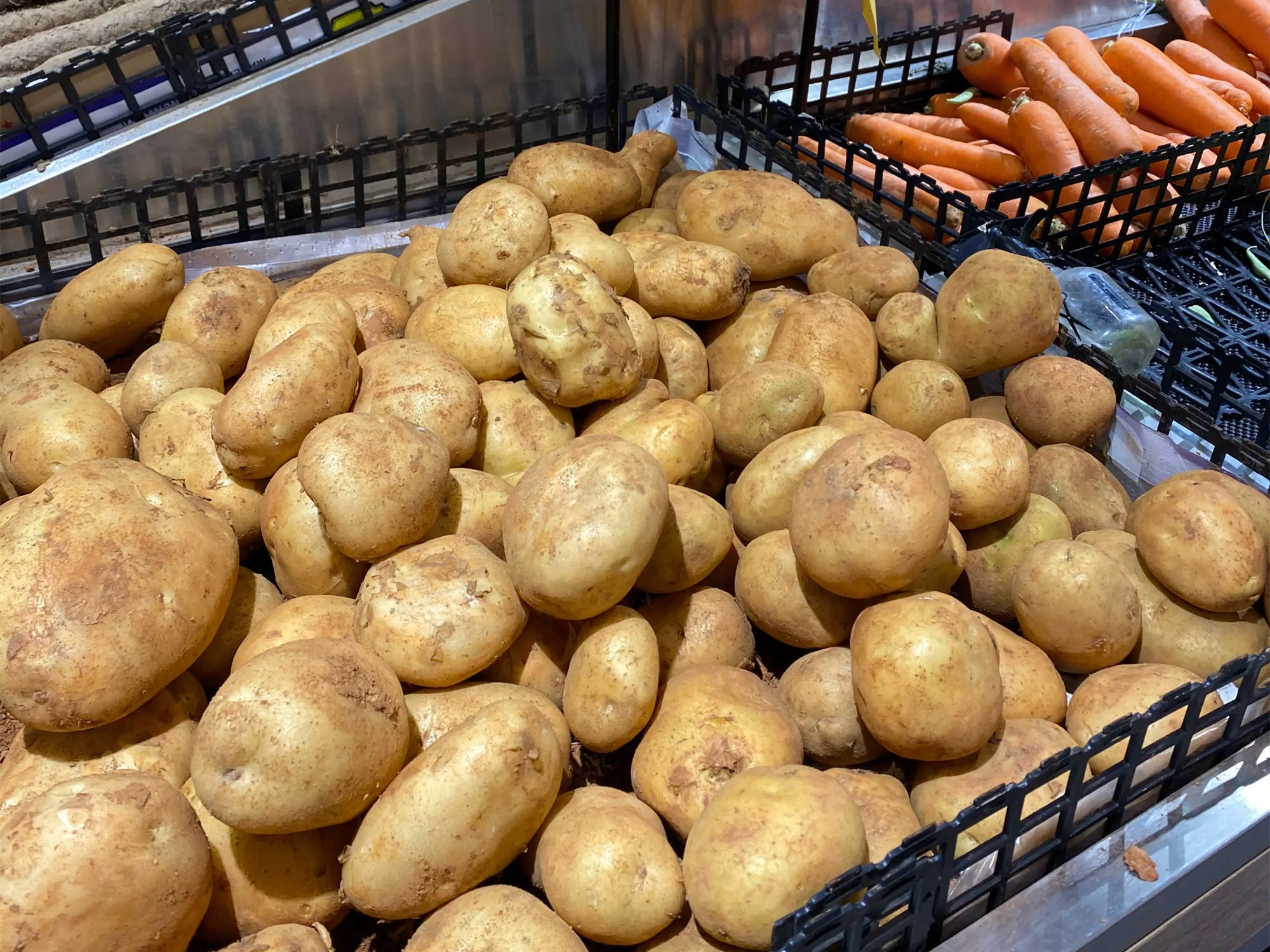
1. Potatoes
Potatoes are nutritious, but they are also a starchy vegetable, meaning they contain substantially more carbohydrate than vegetables such as spinach, lettuce, cucumber, or broccoli.
The carbohydrate in a potato is broken down into glucose during digestion, so eating a large portion can have a noticeable effect on blood sugar.
How the potato is prepared can matter as well.
A large serving of mashed potatoes, fries, or highly processed potato products can be particularly easy to overeat. Adding butter, cream, cheese, or salty toppings can also substantially increase the calories and saturated fat in the meal.
That doesn't mean potatoes are forbidden.
A smaller portion of boiled, baked, or roasted potato can fit into many diabetes-friendly meals.
One useful approach is to treat potatoes as the carbohydrate portion of the meal, rather than eating them alongside several other large sources of carbohydrates.
For example, a meal containing potato, non-starchy vegetables, and a source of protein may be easier to balance than a meal containing a large potato plus bread, rice, and a sugary drink.
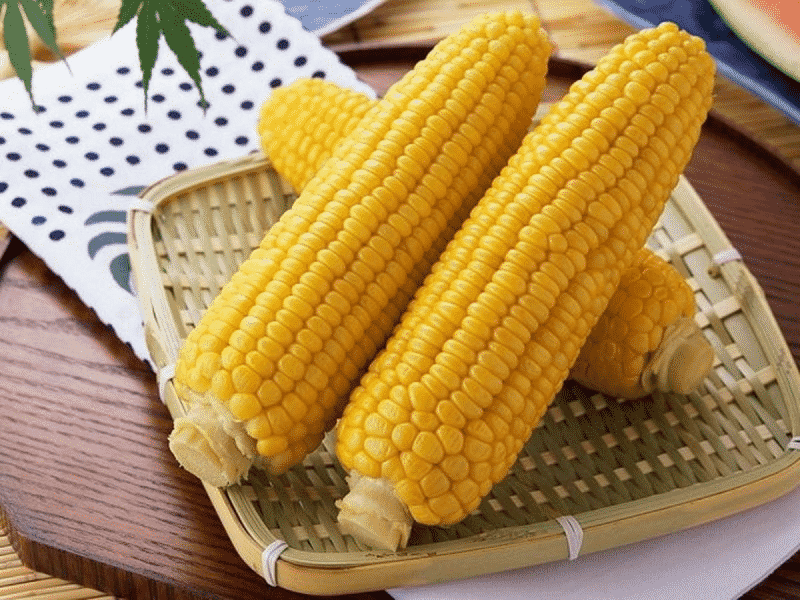
2. Corn
Corn is another vegetable that can surprise people who are trying to manage blood glucose.
Although corn provides useful nutrients and fiber, it is also relatively high in carbohydrate compared with many non-starchy vegetables.
A small serving of corn can be quite different from eating a large bowl of corn or a meal containing several corn-based foods.
Corn itself isn't necessarily the problem.
Portion size is important.
It can also matter whether you're eating whole corn or processed corn products.
Corn tortillas, corn chips, sweetened corn products, and other processed foods may contain additional ingredients and carbohydrates.
For people with diabetes, the better question isn't necessarily, “Can I ever eat corn?”
It's:
“How much am I eating, and what else is on my plate?”
Pairing a moderate portion with protein, healthy fats, and plenty of non-starchy vegetables can create a more balanced meal.
3. Peas
Green peas are sometimes treated like leafy vegetables, but nutritionally they are closer to other starchy vegetables and legumes because they contain a meaningful amount of carbohydrate.
They also provide fiber, plant protein, vitamins, and minerals, so there is no reason to automatically consider peas unhealthy.
However, a large serving can contribute a significant amount of carbohydrate to a meal.
Preparation matters, too.
Creamed peas, peas cooked with sugary sauces, or peas combined with other high-carbohydrate ingredients can have a very different nutritional profile from a simple serving of cooked peas.
If you enjoy peas, portion control and meal composition are generally more useful strategies than complete avoidance.
4. Sweet Potatoes
Sweet potatoes often have a reputation as a “healthy” alternative to ordinary potatoes.
They can indeed be nutritious. They contain fiber, potassium, carotenoids, and other beneficial compounds.
But healthy does not mean carbohydrate-free.
Sweet potatoes still contain carbohydrate and can raise blood glucose, particularly when eaten in large portions.
The way they are prepared also makes a difference.
A plain baked or boiled sweet potato is quite different from sweet potato casserole covered with brown sugar, syrup, marshmallows, or other sweet toppings.
For someone managing diabetes, the nutritional quality of the food matters, but so does the total carbohydrate load.
A moderate portion of sweet potato alongside vegetables and protein may work well for many people.
5. Pumpkin
Pumpkin can be an excellent source of nutrients, including carotenoids and other plant compounds.
However, pumpkin comes in many different forms, and the form you eat can dramatically change the overall meal.
Plain pumpkin used in soups or cooked as a vegetable is very different from pumpkin pie, sweetened pumpkin puree, pumpkin bread, or pumpkin-flavored desserts.
This distinction is particularly important because foods marketed as “pumpkin” aren't necessarily low in carbohydrate or sugar.
When choosing pumpkin products, check the nutrition label.
Look at:
-
Total carbohydrate
-
Added sugars
-
Serving size
-
Fiber
-
Ingredients
A vegetable doesn't automatically become diabetes-friendly simply because its name appears on the package.
6. Beets
Beets are another nutritious vegetable that contains naturally occurring sugars.
They provide folate, potassium, fiber, and various plant compounds that contribute to their deep red or purple color.
For most people, eating beets as part of a balanced diet is not inherently problematic.
However, because they contain more naturally occurring carbohydrate than many leafy vegetables, portion size can still matter for someone closely monitoring blood glucose.
Preparation is also worth considering.
Plain roasted or boiled beets are different from beets prepared with sweet sauces or incorporated into processed foods containing added sugar.
If you're monitoring your glucose response, you can also observe what happens after eating a particular portion.
Individual responses vary considerably.
7. Parsnips
Parsnips don't receive as much attention as potatoes, but they are also a starchy root vegetable.
They contain carbohydrates along with fiber and various vitamins and minerals.
Because they're naturally sweet, parsnips can be especially appealing when roasted.
But their sweetness doesn't make them unhealthy.
It simply means that, like other carbohydrate-containing vegetables, they should be considered as part of your overall carbohydrate intake.
A moderate serving can fit into a balanced meal.
The important point is to avoid assuming that something is “free food” simply because it is technically a vegetable.
The Bigger Issue Isn't the Vegetable—It's the Whole Meal
One of the biggest mistakes people make when managing diabetes is focusing on individual foods while ignoring the entire meal.
Blood glucose doesn't respond only to whether something is labeled a vegetable.
It responds to the amount and type of carbohydrate consumed, digestion, meal composition, physical activity, medications, insulin sensitivity, and many other factors.
For example, eating a large serving of potatoes alongside white bread, sweetened beverages, and dessert creates a very different carbohydrate load from eating a modest serving of potato with grilled fish and a large salad.
The vegetable didn't suddenly become unhealthy.
The overall meal changed.
Why Fiber Matters
Fiber is one reason whole vegetables can behave differently from refined carbohydrate foods.
Fiber is not digested in the same way as digestible carbohydrate, and foods containing fiber can contribute to greater fullness and a slower rise in blood glucose compared with some lower-fiber carbohydrate foods.
This is one reason whole vegetables are generally preferable to highly processed alternatives.