But fiber doesn't cancel out carbohydrate completely.
A starchy vegetable can still contribute a meaningful amount of carbohydrate even when it contains fiber.
That's why people with diabetes often benefit from considering both food quality and carbohydrate quantity.
Portion Size Can Change Everything
You don't necessarily need to remove potatoes, corn, peas, sweet potatoes, pumpkin, beets, or parsnips from your diet.
Instead, consider the amount.
A small serving and a very large serving are not metabolically equivalent.
A useful strategy is to build meals around a variety of foods rather than making a large portion of one starchy vegetable the centerpiece.
A common plate-planning approach is to fill roughly half the plate with non-starchy vegetables, one-quarter with protein, and one-quarter with a carbohydrate-containing food.
The exact proportions aren't appropriate for everyone, but the concept can help people visualize a balanced meal.
How Cooking Methods Can Change the Picture
The vegetable itself isn't always the biggest concern.
Preparation can completely change the nutritional profile.
Compare:
Plain roasted potato
with
Deep-fried potato covered in salt and served with a sugary sauce.
Or compare:
Plain pumpkin
with
Pumpkin pie containing added sugar and refined flour.
The second version of each example contains additional ingredients that can affect blood glucose and overall calorie intake.
When possible, choose cooking methods such as:
-
Steaming
-
Boiling
-
Roasting
-
Baking
-
Grilling
-
Light sautéing
And pay attention to sauces, sweeteners, and highly processed toppings.
What About Vegetable Juice?
This is another area where people can become confused.
A whole vegetable and a vegetable juice aren't always nutritionally equivalent.
Juicing can remove much of the fiber while making it easier to consume a large amount of the vegetable quickly.
For example, drinking a large glass of vegetable juice may deliver the contents of several vegetables without creating the same feeling of fullness as eating them whole.
For diabetes management, whole vegetables are often the more practical choice.
If you do drink vegetable juice, check the label carefully for added sugars and consider the total carbohydrate content.
Frozen and Canned Vegetables Can Still Be Useful
Fresh vegetables aren't the only healthy option.
Frozen vegetables can be nutritious and convenient, particularly when they're frozen without sauces or added sugar.
Canned vegetables can also be useful, although sodium may be high in some products.
When buying canned vegetables, look for options labeled:
“No salt added” or “low sodium” when appropriate.
You can also drain and rinse canned vegetables to reduce some of the sodium.
Convenience doesn't automatically make a vegetable unhealthy.
The ingredients and preparation matter more.
Don't Fall for the Idea That People With Diabetes Must Avoid All Carbohydrates
Carbohydrates are an important source of energy, and many nutritious foods contain them.
People with diabetes generally do not need to eliminate carbohydrates entirely.
Instead, diabetes management often involves learning how different foods affect blood glucose and choosing appropriate portions and combinations.
Whole grains, beans, fruit, dairy products, and starchy vegetables can all provide valuable nutrients.
The goal is usually not to create an impossibly restrictive diet.
It's to develop an eating pattern that supports blood glucose management while still providing adequate nutrition and being realistic enough to maintain over time.
Your Own Blood Glucose Response Can Provide Useful Information
Two people can eat the same food and experience somewhat different glucose responses.
Factors such as medication, insulin production, insulin sensitivity, physical activity, sleep, stress, illness, and the rest of the meal can influence blood sugar.
If you're monitoring your glucose, your readings can sometimes help you understand your personal response to specific foods.
However, don't change diabetes medication simply because a particular food causes a higher reading.
Medication adjustments should be discussed with your healthcare professional.
Which Vegetables Are Usually Easier to Fit Into a Diabetes-Friendly Meal?
Non-starchy vegetables are generally lower in carbohydrate.
Examples include:
-
Spinach
-
Broccoli
-
Cauliflower
-
Cabbage
-
Lettuce
-
Cucumber
-
Zucchini
-
Mushrooms
-
Bell peppers
-
Green beans
-
Asparagus
-
Tomatoes
These foods can provide substantial volume and nutrients without contributing as much carbohydrate as many starchy vegetables.
That doesn't make them the only vegetables people with diabetes should eat.
Rather, they can make up a larger share of meals while starchy vegetables are eaten in appropriate portions.
The Most Important Lesson
The headline may make it sound as though seven vegetables are dangerous for people with diabetes.
That's not the right takeaway.
These vegetables aren't inherently “bad,” and people with diabetes don't need to fear vegetables.
The more useful lesson is that some vegetables contain considerably more carbohydrate than others.
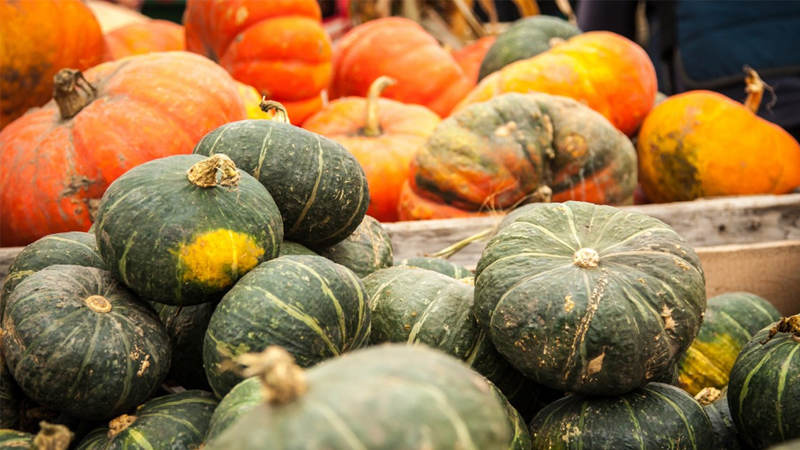
Potatoes, corn, peas, sweet potatoes, pumpkin, beets, and parsnips can all provide valuable nutrients, but they should be considered within the context of your overall carbohydrate intake.
Portion size, preparation, and what you eat alongside them can make a substantial difference.
And if you're taking insulin or other glucose-lowering medications, your dietary plan should take your treatment into account.
A Smarter Way to Think About Vegetables and Diabetes
Instead of asking:
“Which vegetables am I forbidden to eat?”
try asking:
“Which vegetables contain more carbohydrate, how much am I eating, and how does that fit into my meal?”
That small change in perspective can make healthy eating much less restrictive.
A plate filled with a variety of vegetables, an appropriate source of protein, and a sensible portion of carbohydrate can be both nutritious and satisfying.
And perhaps most importantly, you don't have to choose between enjoying food and managing diabetes.
You simply need to understand what is on your plate.
Vegetables remain an important part of a healthy eating pattern. The key is recognizing that “vegetable” is a broad category, not a guarantee that every variety contains the same amount of carbohydrate or affects blood glucose in exactly the same way.
For people living with diabetes, knowledge—not fear—is what makes food choices easier.