Chicken is one of the most popular foods in the world. It is affordable, versatile, easy to prepare, and packed with protein. From crispy fried chicken and roasted drumsticks to comforting chicken soup, millions of people enjoy it in countless ways.
But while chicken can be part of a healthy and balanced diet, not every part offers the same nutritional benefits. Some portions are particularly high in fat, while certain organs contain concentrated amounts of nutrients that may not be suitable for everyone. Other parts require extra care during cleaning and preparation.
This does not mean that these chicken parts are automatically dangerous or that everyone must stop eating them. The important thing is understanding what you are consuming, how often you eat it, and how it is prepared.
If chicken is a regular part of your meals, here are four parts worth paying closer attention to.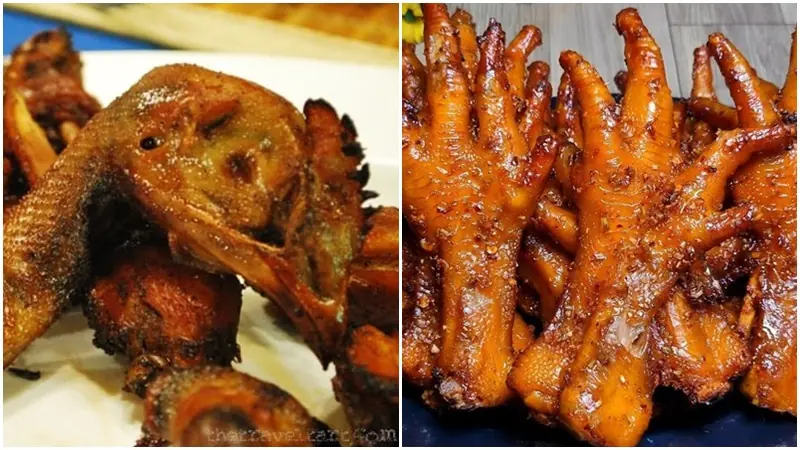
1. Chicken Skin: Delicious, but High in Fat
For many people, chicken skin is the best part of the meal. Whether it is roasted until golden brown, grilled over an open flame, or fried until crispy, its rich flavor and satisfying texture make it difficult to resist.
However, chicken skin is also one of the parts you may want to limit, particularly if you regularly eat large portions or follow a diet designed to manage cholesterol and cardiovascular risk.
Chicken skin contains fat, including saturated fat. Although dietary fat is essential for the body, consuming excessive amounts of saturated fat can contribute to elevated LDL cholesterol levels in some people. Over time, high LDL cholesterol is associated with an increased risk of cardiovascular disease.
The way chicken skin is prepared also matters.
Boiled or roasted chicken with a modest amount of skin is different from heavily battered, deep-fried chicken. When skin is fried in oil, the finished dish can contain considerably more calories and fat. Adding butter, creamy sauces, or fatty seasonings can increase the overall energy content even further.
Another consideration is portion size. Eating a small amount of crispy chicken skin occasionally is not the same as making it a major component of every meal.
A healthier approach:
-
Remove some or all of the skin if you are trying to reduce saturated fat and calories.
-
Choose grilled, steamed, boiled, or oven-roasted chicken more often.
-
Avoid repeatedly frying chicken in overheated or degraded cooking oil.
-
Pair chicken with vegetables, whole grains, and other sources of dietary fiber.
You do not necessarily have to give up chicken skin forever. The goal is to enjoy it in moderation rather than treating it as an everyday source of dietary fat.
2. Chicken Liver: Nutrient-Dense but Not Suitable for Everyone
Chicken liver is a traditional ingredient in many cuisines. It can be fried with onions, cooked into pâté, added to rice dishes, or prepared as a savory filling.
Unlike chicken skin, which is mainly a source of fat, chicken liver provides a concentrated supply of several important nutrients. It contains protein, iron, vitamin B12, folate, and vitamin A.
These nutrients support different functions in the body. Iron helps produce hemoglobin, vitamin B12 supports normal nerve function and red blood cell formation, and vitamin A plays a role in vision and immune function.
So why should people think twice before eating it?
The main reason is its exceptionally high vitamin A content.
Chicken liver contains preformed vitamin A, also known as retinol. Unlike some plant-based sources of vitamin A, which provide carotenoids that the body converts as needed, preformed vitamin A can accumulate in the body when consumed in excessive amounts.
Regularly eating large quantities of liver may therefore contribute to excessive vitamin A intake.
This is particularly important for pregnant women. High intake of preformed vitamin A during pregnancy can harm fetal development. Pregnant women are generally advised to avoid liver and liver products because of their high retinol content.
Chicken liver also contains purines, substances that the body breaks down into uric acid. People who have gout or elevated uric acid may need to pay attention to their intake, depending on their individual medical advice and dietary plan.
There is another important issue: food safety.
Like other poultry products, chicken liver can contain harmful bacteria, including Campylobacter and Salmonella. The inside of the liver may remain contaminated even when the outside appears fully cooked. It should therefore be cooked thoroughly rather than served raw or undercooked.
A healthier approach:
-
Eat chicken liver occasionally rather than in large quantities every day.
-
Avoid liver and liver products during pregnancy unless a qualified healthcare professional advises otherwise.
-
Cook liver thoroughly to reduce the risk of foodborne illness.
-
If you have gout, high uric acid, or a condition requiring dietary restrictions, discuss appropriate portions with your healthcare professional.