Chicken liver is not inherently unhealthy. In fact, it is highly nutritious. The issue is that its concentrated nutrient content makes portion size and individual circumstances especially important.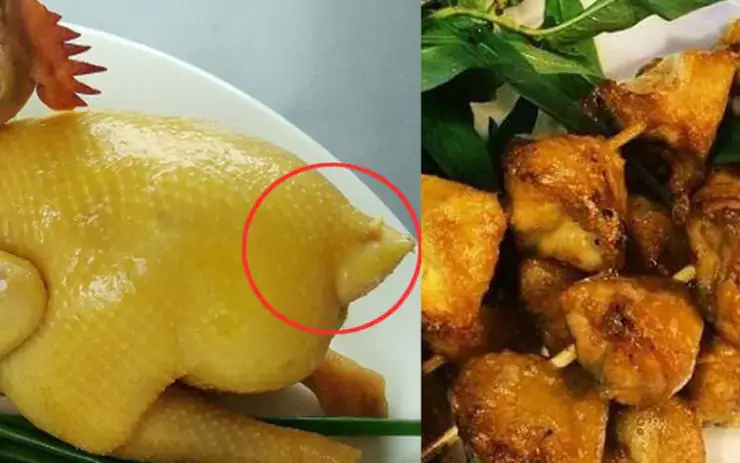
3. Chicken Tail: A Fatty Cut That Is Easy to Overeat
Chicken tails are popular in several food cultures, particularly when grilled, roasted, or fried until the outside becomes crispy.
Their rich flavor and tender texture make them appealing, especially when served with spicy sauces or seasoning. However, chicken tails are not necessarily the best choice for people who are trying to reduce their intake of fat and calories.
This part of the chicken contains a relatively high proportion of fat compared with lean cuts such as skinless breast meat.
The tail region also contains the uropygial gland, commonly called the preen gland. This gland produces an oily substance that birds use to maintain their feathers.
During preparation, the gland should be removed properly. Leaving it in place can affect the flavor and quality of the finished dish.
The concern with chicken tails is not that the entire tail is poisonous. Rather, the fatty composition makes it a food that is best enjoyed in moderation, especially by people who are monitoring their calorie intake, blood lipids, or overall dietary fat consumption.
Cooking methods can make a significant difference.
Deep-frying chicken tails or coating them with rich sauces can increase the total calorie content. Eating several pieces in one sitting may also add more fat to a meal than expected.
A healthier approach:
-
Choose smaller portions rather than eating chicken tails frequently.
-
Make sure the tail region is properly cleaned and the uropygial gland is removed.
-
Prefer grilling or roasting over deep-frying.
-
Avoid adding excessive oil, butter, or high-fat sauces.
-
Balance richer foods with vegetables and other nutrient-dense ingredients.
If you enjoy chicken tails, there is no need to assume that eating one occasionally will damage your health. What matters most is your overall dietary pattern and how frequently you consume high-fat foods.
4. Chicken Neck: Pay Attention to Bones, Skin, and Preparation
Chicken neck is commonly used in soups, broths, stews, and traditional dishes. Some people also enjoy eating the meat and skin directly from the bones.
Although chicken neck is not automatically unhealthy, it deserves attention for several reasons.
First, chicken neck contains numerous small bones and pieces of cartilage. These can create a choking hazard, particularly for young children, older adults, and people who have difficulty swallowing.
Eating chicken neck requires care. Small bones should never be swallowed intentionally, and the meat should be separated carefully when serving someone who may have difficulty handling bones.
Second, the nutritional composition depends on how the neck is prepared. The skin and surrounding fat contribute additional calories and saturated fat. A broth made with chicken neck may also contain considerable sodium if large amounts of salt, stock cubes, or salty seasonings are added.
Third, raw poultry can carry bacteria. Chicken neck must be handled with the same food-safety precautions as other raw chicken products.
It should be stored at an appropriate refrigerated temperature, kept separate from ready-to-eat foods, and cooked thoroughly.
Washing raw chicken under running water is not recommended because splashing can spread bacteria around the sink and kitchen surfaces. Proper cooking, rather than washing, is what makes poultry safer to eat.
A healthier approach:
-
Remove the meat carefully and watch for small bones.
-
Avoid serving bone-in chicken neck to people at increased risk of choking.
-
Limit excessive salt when preparing chicken-neck broth.
-
Store raw chicken separately from cooked foods and fresh produce.
-
Cook chicken thoroughly before eating.
Chicken neck can be used in a balanced diet, particularly in soups and broths. The key is careful preparation, appropriate serving sizes, and awareness of the bones.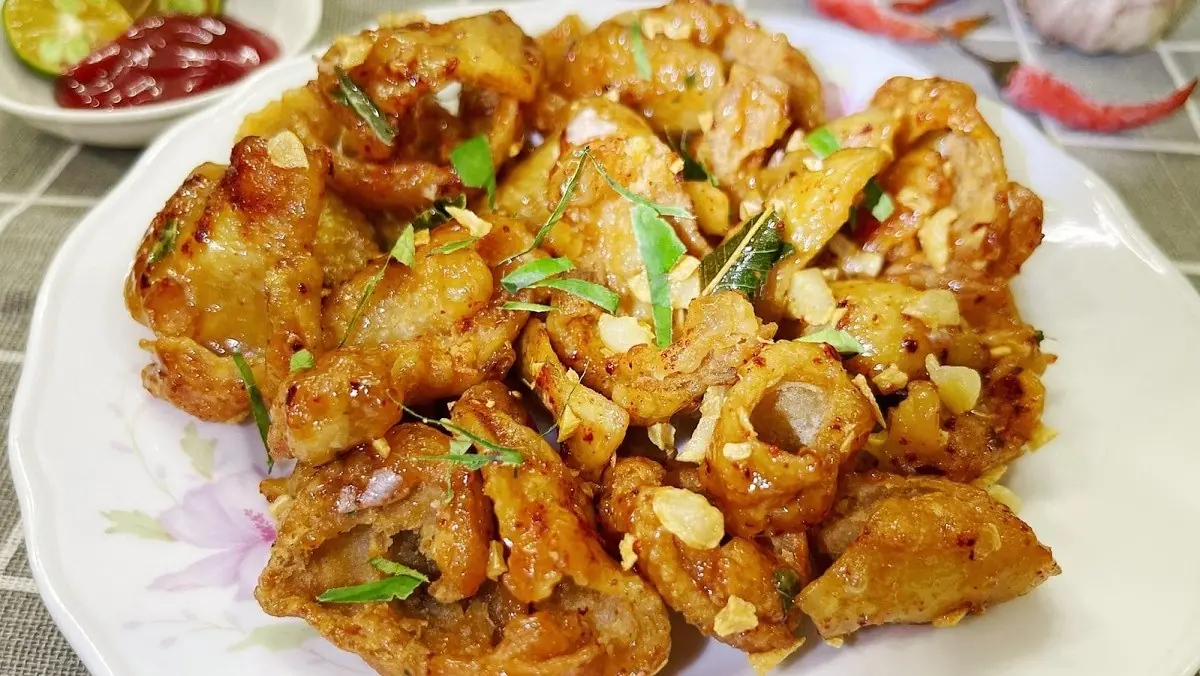
What About Other Chicken Parts?
Beyond these four examples, people sometimes wonder whether chicken feet, hearts, gizzards, or other edible organs should also be avoided.
The answer depends on the nutritional profile, preparation method, and the person's individual health needs.
Chicken hearts, for example, provide protein and several micronutrients. Gizzards are also protein-rich and can be relatively lean when prepared without excessive oil. Chicken feet contain connective tissue and collagen, although their nutritional value depends on the recipe and serving size.
None of these foods should automatically be labeled dangerous simply because they are less familiar than chicken breast or drumsticks.
However, proper sourcing and cooking remain essential. Poultry organs and other parts can carry foodborne pathogens if they are handled incorrectly or insufficiently cooked.