⚠️ 8 Signs You May Have Low Blood Oxygen Levels
Oxygen plays a vital role in keeping every organ in your body functioning properly. When blood oxygen levels drop too low, your body may begin sending warning signs that are easy to overlook at first. While occasional shortness of breath or fatigue can happen for many reasons, persistent symptoms should never be ignored.
Here are 8 common signs that may be linked to low blood oxygen levels:
- Shortness of Breath
If you often feel out of breath during simple activities like walking, climbing stairs, or even resting, it could be a sign your body isn’t getting enough oxygen. - Constant Fatigue
Feeling tired all the time, even after a full night’s sleep, may happen because your muscles and organs are not receiving the oxygen they need to produce energy efficiently. - Headaches
Frequent headaches can sometimes be associated with reduced oxygen supply to the brain. Some people notice headaches becoming worse in the morning.

- Dizziness or Lightheadedness
Low oxygen levels may affect blood flow and brain function, leading to dizziness, faintness, or trouble maintaining balance. - Rapid Heartbeat
When oxygen levels fall, the heart often works harder to deliver oxygen throughout the body. This may cause a racing or pounding heartbeat. - Bluish Lips or Fingertips
A bluish tint on the lips, nails, or fingertips may indicate that oxygen levels are dangerously low and should be evaluated immediately. - Confusion or Difficulty Concentrating
The brain depends heavily on oxygen. Low oxygen levels can sometimes lead to confusion, memory problems, or trouble focusing. - Chest Tightness or Persistent Cough
In some cases, lung or breathing problems linked to low oxygen may also cause coughing, wheezing, or chest discomfort.
What Can Cause Low Blood Oxygen?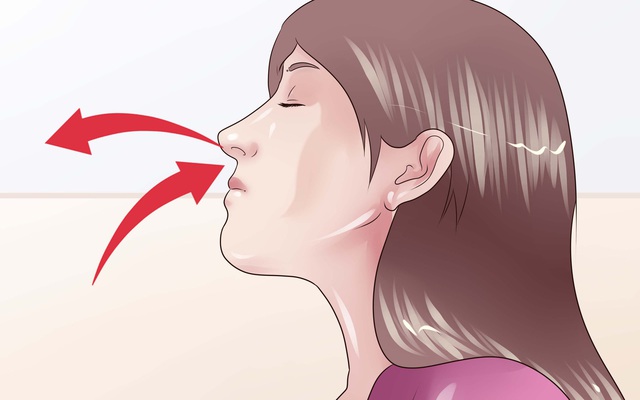
Several conditions may contribute to reduced oxygen levels, including asthma, pneumonia, chronic lung disease, sleep apnea, anemia, smoking, or heart conditions. High altitudes can also temporarily lower oxygen levels.
When Should You Seek Medical Attention?
You should contact a healthcare professional if symptoms are persistent, worsening, or severe — especially if you experience chest pain, severe shortness of breath, bluish skin, or confusion.
Monitoring oxygen levels with a pulse oximeter may help identify potential concerns, but it should not replace professional medical advice or diagnosis.
Taking care of your lungs and heart through regular exercise, avoiding smoking, staying hydrated, and getting regular health checkups may help support healthy oxygen levels over time.