Discovering a lump or cyst on the body can be alarming. Many people immediately worry about serious illness, but doctors explain that most lumps and cysts are actually harmless and noncancerous. Still, some growths may require medical attention, especially when they:
- Continue growing
- Become painful
- Change appearance
- Cause discomfort
- Persist over time
Understanding the differences between lumps and cysts, along with their possible causes and warning signs, may help people know when to seek proper medical care.
What Is a Lump?
A lump is a general term used to describe any unusual swelling or growth under the skin.
Lumps may vary in:
- Size
- Shape
- Texture
- Mobility
- Pain level
Some lumps feel:
- Soft
- Firm
- Smooth
- Hard
- Movable
- Fixed in place
Lumps may appear almost anywhere on the body.
What Is a Cyst?
A cyst is a sac-like structure that may contain:
- Fluid
- Air
- Pus
- Keratin
- Other material
Cysts often develop slowly and are commonly noncancerous.
They may appear:
- Under the skin
- Around joints
- In organs
- On the scalp
- On the face
- On the back

Common Causes of Lumps and Cysts
Many different conditions may cause lumps or cysts.
1. Sebaceous or Epidermoid Cysts
These are among the most common skin cysts.
They often form when:
- Skin cells become trapped
- Oil glands become blocked
These cysts may appear as:
- Small round bumps
- Slow-growing lumps
- Smooth swellings
They are commonly found on:
- Face
- Neck
- Back
- Scalp
2. Lipomas
Lipomas are soft fatty lumps that grow beneath the skin.
They are usually:
- Painless
- Slow-growing
- Movable
Lipomas are generally harmless and noncancerous.
3. Swollen Lymph Nodes
Lymph nodes may enlarge because of:
- Infections
- Inflammation
- Immune responses
Swollen nodes often appear around:
- Neck
- Armpits
- Groin
Most swollen lymph nodes improve after illness resolves, but persistent enlargement may require evaluation.

4. Abscesses
Abscesses are painful collections of pus caused by infection.
Symptoms may include:
- Redness
- Warmth
- Swelling
- Pain
- Fever
Medical drainage may sometimes be necessary.
5. Ganglion Cysts
These fluid-filled cysts commonly appear near:
- Wrists
- Hands
- Ankles
They may become more noticeable with joint movement.
Warning Signs That Should Not Be Ignored
Although many lumps and cysts are harmless, doctors say certain symptoms deserve medical attention.
Seek Evaluation if a Lump:
- Grows rapidly
- Becomes painful
- Feels very hard
- Changes color
- Causes skin breakdown
- Bleeds
- Persists for weeks
- Appears with unexplained weight loss
Persistent or unusual symptoms should always be evaluated professionally.
Are All Lumps Cancerous?
No.
This is one of the most important points doctors emphasize.
Most lumps and cysts are caused by:
- Benign growths
- Infections
- Fat deposits
- Blocked glands
- Inflammation
However, some cancers may also appear as lumps, which is why persistent changes should not be ignored.
Differences Between Benign and Concerning Lumps
Benign lumps are often:
- Soft
- Slow-growing
- Movable
- Painless
Potentially concerning lumps may sometimes be:
- Hard
- Fixed in place
- Rapidly enlarging
- Associated with other symptoms
Still, appearance alone cannot confirm diagnosis.
Why Self-Diagnosis Can Be Risky
Internet searches may create unnecessary fear because many harmless conditions resemble serious illnesses visually.
Only medical evaluation can determine the true cause.
Doctors may use:
- Physical examination
- Ultrasound
- Imaging scans
- Blood tests
- Biopsy
depending on the situation.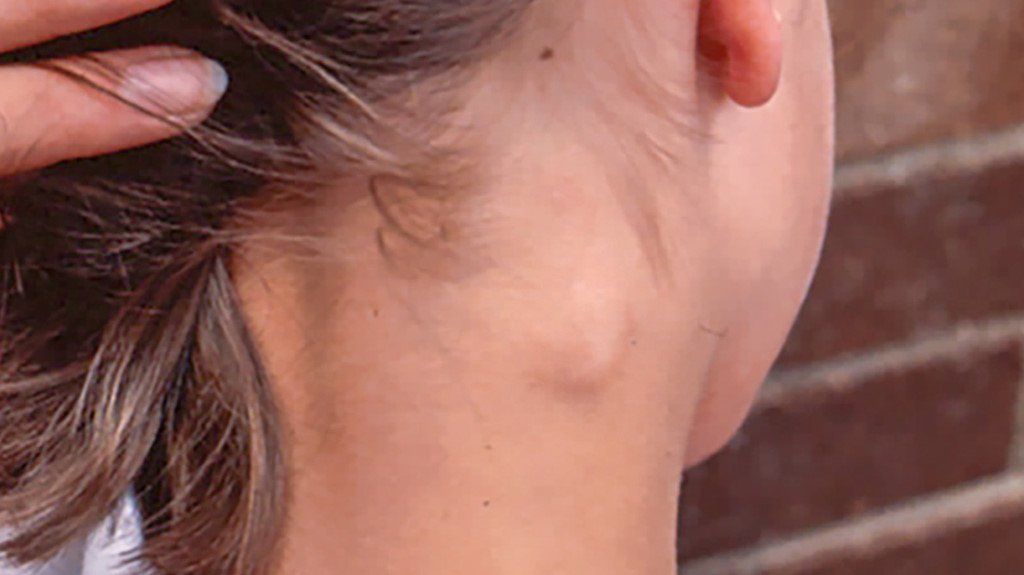
Should You Pop or Drain a Cyst Yourself?
Doctors strongly discourage attempting to:
- Squeeze
- Pop
- Cut
- Drain
cysts at home.
Doing so may lead to:
- Infection
- Scarring
- Inflammation
- Worsening symptoms
Professional treatment is much safer if drainage becomes necessary.
Common Treatments for Lumps and Cysts
Treatment depends on the cause.
Some lumps require:
- No treatment
- Monitoring only
Others may need:
- Antibiotics
- Drainage
- Surgical removal
- Further testing
Doctors personalize treatment depending on:
- Symptoms
- Size
- Location
- Underlying cause
Can Lifestyle Affect Skin Health?
Healthy habits may help support skin and immune health overall.
Helpful habits may include:
- Good hygiene
- Balanced nutrition
- Stress management
- Proper skincare
- Avoiding smoking
However, some cysts and lumps occur regardless of lifestyle.
Emotional Impact of Finding a Lump
Many people experience:
- Anxiety
- Fear
- Stress
after discovering an unusual lump.
This emotional response is completely understandable.
Seeking medical evaluation often provides:
- Clarity
- Peace of mind
- Early treatment if necessary
Why Early Evaluation Matters
Doctors encourage paying attention to body changes because early diagnosis may improve outcomes when serious conditions are involved.
Ignoring persistent symptoms for long periods may delay treatment if medical care becomes necessary.
Regular Health Checkups Are Important
Routine healthcare visits may help identify:
- Skin changes
- Abnormal growths
- Infections
- Early warning signs
Preventive healthcare plays a major role in long-term wellness.
Final Thoughts
Lumps and cysts are extremely common and are often caused by harmless conditions such as blocked glands, fatty tissue growths, or temporary inflammation. However, persistent, painful, rapidly growing, or unusual lumps should always be evaluated by a healthcare professional.
Doctors emphasize that awareness, proper medical care, and avoiding self-treatment remain essential for protecting long-term health and ensuring peace of mind.