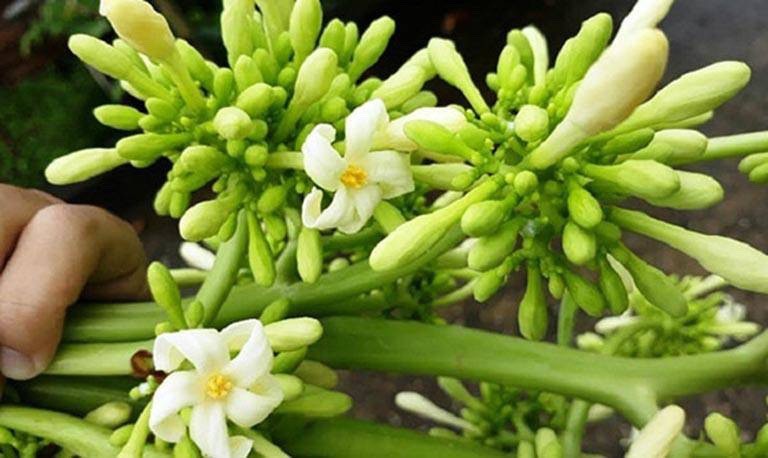
When people think of papaya, they usually picture the sweet orange fruit or its enzyme-rich seeds. Yet in many traditional cultures, another
part of the papaya plant has been quietly valued for generations: male papaya flowers. Often overlooked and rarely sold in mainstream
markets, these small, pale blossoms carry a surprising range of potential health benefits when used correctly.
Male papaya flowers are not a miracle cure, and they should never replace medical treatment. However, when used thoughtfully, they can
serve as a supportive, natural addition to a balanced lifestyle. Understanding what they are, why they matter, and how to use them safely
helps unlock their hidden value.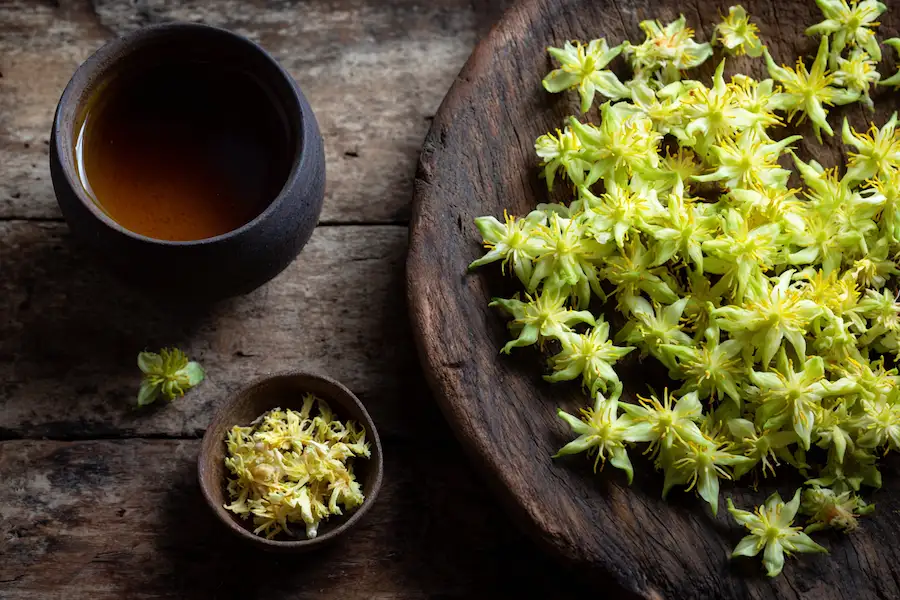
What Are Male Papaya Flowers?
Papaya trees are unique because they can be male, female, or hermaphrodite. Only female and hermaphrodite trees produce fruit. Male
papaya trees, on the other hand, produce long clusters of small, tubular flowers but no fruit.
These male papaya flowers are traditionally harvested while fresh and used in cooking or herbal preparations. They have a distinctly bitter
taste, which is one reason they are not commonly consumed in modern diets. In traditional medicine, however, bitterness is often associated
with digestive and metabolic benefits.
Key Nutritional and Bioactive Compounds
Male papaya flowers contain a range of plant compounds that contribute to their traditional uses, including:
-
Flavonoids and polyphenols – antioxidants that help reduce oxidative stress
-
Alkaloids – compounds believed to support immune and cellular balance
-
Papain (in small amounts) – an enzyme that aids digestion
-
Fiber – supports gut health
-
Trace vitamins and minerals – including vitamin C and certain B vitamins
These compounds work gently and gradually, which is why consistency and moderation matter more than quantity.
Potential Health Benefits of Male Papaya Flowers
1. Supports Digestive Health
One of the most common traditional uses of male papaya flowers is for digestion. Their bitter compounds are believed to stimulate digestive
enzymes and bile production.
This may help:
-
Reduce bloating and gas
-
Improve appetite regulation
-
Support smoother digestion after heavy meals
In many cultures, the flowers are eaten in small amounts as part of meals rather than consumed alone.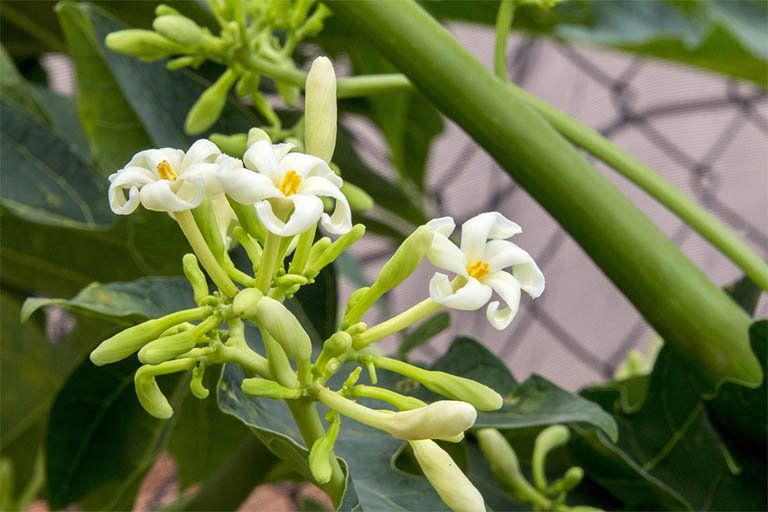
2. May Help Regulate Blood Sugar (Supportive Use)
Male papaya flowers are often mentioned in traditional practices for metabolic balance, particularly in people concerned about blood sugar.
Some early studies and traditional observations suggest they may:
-
Support insulin sensitivity
-
Help reduce post-meal blood sugar spikes
-
Encourage more stable energy levels
It’s important to note that this is supportive, not curative, and anyone with diabetes should consult a healthcare professional before using
them regularly.
3. Anti-Inflammatory Properties
Chronic inflammation plays a role in many long-term health conditions. The antioxidants in male papaya flowers may help:
-
Reduce low-grade inflammation
-
Ease mild joint or muscle discomfort
-
Support overall cellular health
This is one reason the flowers are sometimes included in traditional soups or herbal broths.
4. Immune System Support
The natural antioxidants and phytochemicals in male papaya flowers may help strengthen the body’s natural defenses.
Traditionally, they have been used to:
-
Support resistance during seasonal illness
-
Help the body recover from fatigue
-
Promote general immune resilience
Their vitamin C content, though modest, adds to this effect.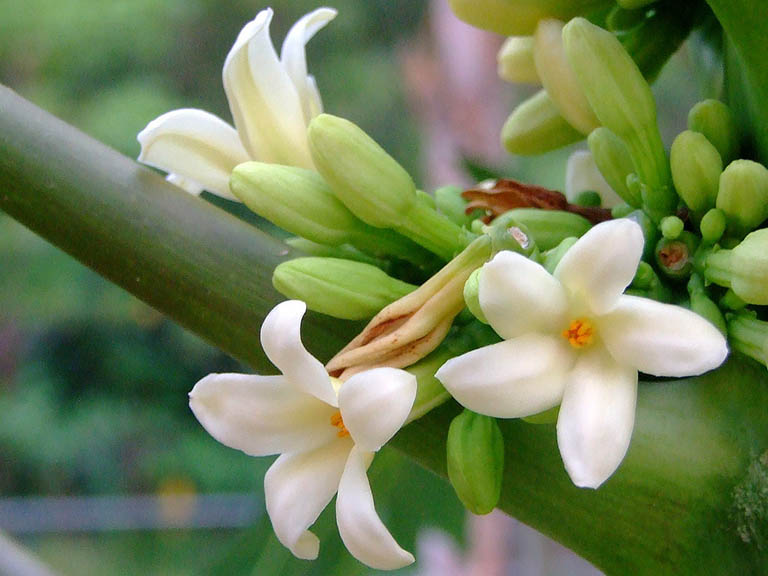
5. Potential Liver and Detox Support
In traditional medicine systems, bitter plants are often used to support liver function - not by “cleansing” the body directly, but by
encouraging natural detoxification processes.
Male papaya flowers may:
-
Support liver enzyme activity
-
Aid fat metabolism
-
Promote digestive efficiency, which indirectly supports detox pathways
Again, this is gentle support rather than aggressive detoxification.
6. Respiratory Comfort in Traditional Use
In some regions, male papaya flowers have been used in home remedies for mild respiratory discomfort.
They may help:
-
Soothe the throat
-
Support mucus balance
-
Provide mild antimicrobial effects
These preparations are typically used short-term, often as teas or broths.
How to Use Male Papaya Flowers Safely
1. Cooked as a Vegetable
This is the most common and safest method.
How to prepare:
-
Wash flowers thoroughly
-
Boil briefly to reduce bitterness
-
Stir-fry or cook with garlic, onion, chili, or eggs
Cooking not only improves flavor but also reduces potential irritation.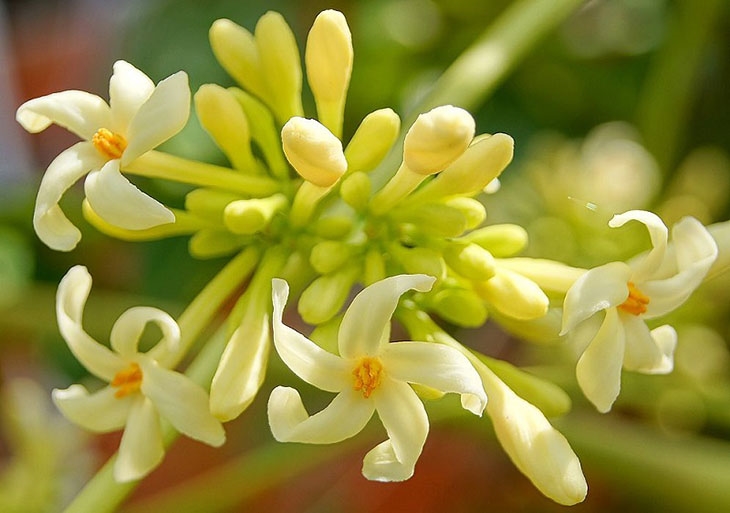
2. Herbal Tea (Occasional Use)
Dried or fresh flowers may be brewed into a light tea.
Method:
-
Use a small amount (5–10 flowers)
-
Simmer gently for 5–10 minutes
-
Drink warm, once daily at most
Because of the bitterness and potency, moderation is essential.
3. In Soups or Broths
Adding male papaya flowers to soups is a traditional way to dilute their bitterness while still gaining benefits.
This method is gentler and often better tolerated than tea.
Important Precautions and Warnings
Male papaya flowers are powerful despite their natural origin. Caution is essential.
Avoid or limit use if you:
-
Are pregnant or trying to conceive
-
Are breastfeeding
-
Have low blood sugar or take diabetes medication
-
Have liver disease or are on long-term medication
Excessive consumption may cause:
-
Digestive irritation
-
Nausea
-
Dizziness
Always start with small amounts and stop if discomfort occurs.
Why These Traditional Plants Still Matter
Male papaya flowers remind us that many traditional foods were not chosen for taste alone, but for balance, function, and long-term
support. Their benefits come not from quick results, but from gentle, consistent use combined with healthy lifestyle habits.
Modern research is only beginning to explore what traditional cultures already understood: that food and medicine often overlap.
Final Thoughts
The hidden power of male papaya flowers lies not in dramatic claims, but in quiet support. They are not a cure, not a replacement for medical
care, and not suitable for everyone. Yet when used responsibly, they may support digestion, metabolic balance, immune health, and overall
well-being.
Sometimes, the most valuable natural remedies are not the sweetest or most popular - but the ones that require understanding, patience, and
respect for the body.
As with all natural practices, informed use is the key to benefit.