Chapter 1: The Viral Warning That Left People Afraid of Eggs
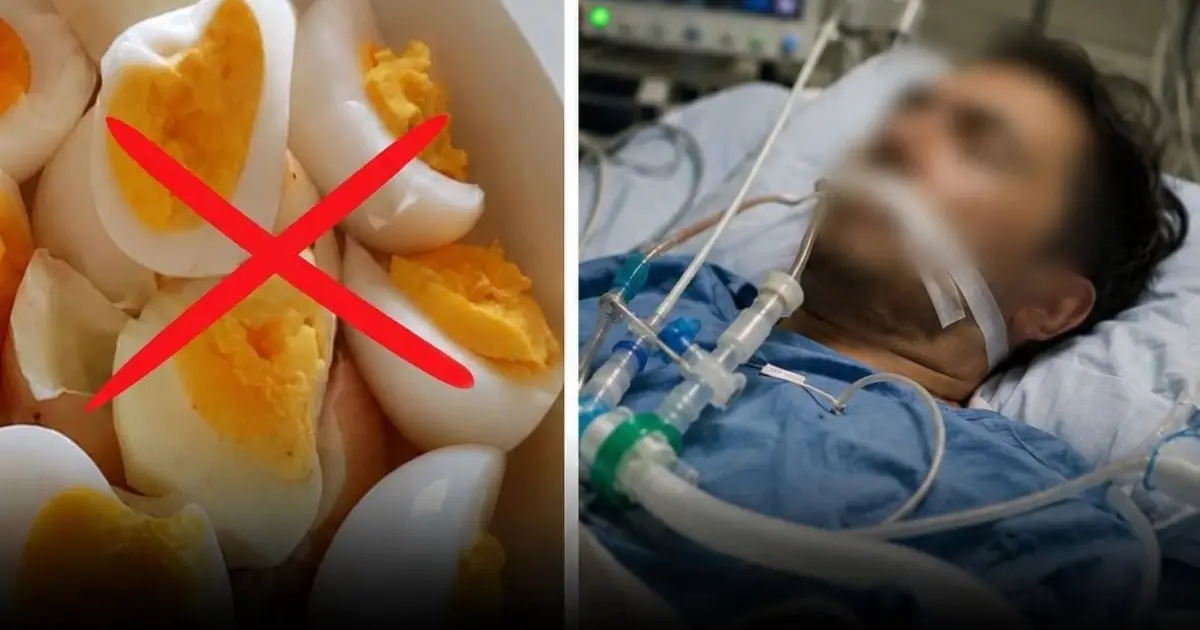
A photograph showing eggs beside a hospital patient has been circulating with a frightening message: a man died after eating eggs, and doctors are warning people to stop consuming them in a dangerous way.
The image is designed to make readers react immediately. The red warning symbol, the hospital scene, and the dramatic headline suggest that eggs themselves may be deadly. But food safety is more complicated than a single picture or a short social media caption.
Eggs are a common food in many countries. They are used in breakfast dishes, soups, baked goods, salads, and countless traditional recipes. They provide protein and several important nutrients. For most people, properly handled and thoroughly cooked eggs can be part of a balanced diet.
The real concern is not simply that someone ate eggs. It is how the eggs were prepared, how many were consumed, whether they were contaminated, and whether the person had an underlying medical condition.
A reported incident from Tunisia in 2012 is often associated with this type of warning. News reports at the time described a 20-year-old man who reportedly ate 28 raw eggs during a bet with friends. He later experienced severe stomach pain and was taken for medical assistance.
However, the reports also stated that the cause of his death had not been established. The incident should not be presented as proof that ordinary egg consumption causes sudden death.
Eating an extreme quantity of raw eggs in a short period is very different from eating a cooked egg as part of a normal meal. The body may struggle with an unusually large amount of food, and raw eggs can carry bacteria capable of causing foodborne illness.
That distinction matters because frightening headlines can cause people to misunderstand the actual risk.
Some readers may decide to stop eating eggs entirely. Others may share the warning with family members, believing they are protecting them. Yet a more useful message would explain the specific dangers and the simple steps that reduce them.
The most important food safety concern associated with eggs is Salmonella, a group of bacteria that can cause intestinal illness. Contaminated eggs may look and smell normal, which means appearance alone cannot guarantee safety.
Symptoms of Salmonella infection may include diarrhea, fever, stomach cramps, nausea, and vomiting. Some people recover within several days, while others may develop serious complications and require hospital care.
Older adults deserve particular attention because foodborne infections can be more severe in people aged 65 and older. The Centers for Disease Control and Prevention recommends that older adults choose safer food options and avoid raw or undercooked eggs.
This does not mean that every egg is contaminated or that every person who eats a soft egg will become ill. It means that a preventable risk exists, and the safest approach is to reduce it through proper cooking and handling.
The viral image may capture attention, but the practical lesson is much more specific: avoid extreme food challenges, do not consume raw eggs casually, and prepare eggs in a way that reduces the chance of harmful bacteria surviving.
When people understand the difference between a sensational claim and a genuine food safety warning, they can make better decisions without unnecessary fear.
Chapter 2: The Real Danger of Eating Raw or Undercooked Eggs
Eggs can be nutritious, but their safety depends greatly on how they are handled and prepared.
One of the most important risks is Salmonella. These bacteria can be present inside an egg or contaminate its shell. An egg may appear fresh, have a normal smell, and look perfectly clean while still carrying harmful bacteria.
This is why relying on appearance alone is not enough.
Raw eggs are sometimes used in homemade mayonnaise, salad dressings, smoothies, desserts, and traditional recipes. Some people also consume raw eggs because they believe doing so provides more protein or improves physical strength.
However, eating raw eggs does not provide a special safety advantage. Raw egg products may expose people to bacteria that proper cooking would otherwise destroy.
The risk is particularly important for older adults, pregnant women, young children, and people with weakened immune systems. These groups may experience more serious complications from foodborne infections.
A common mistake is to assume that a lightly cooked egg is always safe because it was heated briefly.
For example, a fried egg with a runny yolk or scrambled eggs that remain liquid may not have reached a temperature sufficient to eliminate harmful bacteria. The same concern applies to dishes containing raw or lightly cooked eggs.
The safest approach is to cook eggs until both the white and yolk are firm. Scrambled eggs should be cooked until they are firm throughout rather than left runny.