Jugular vein distension (JVD)—particularly when pronounced or persistent—can be a key clinical indicator of underlying cardiovascular or pulmonary conditions. Recognizing this sign early can prompt timely medical evaluation and potentially life-saving treatment.
This article explains what massive jugular vein distension is, its most common causes, associated symptoms, and when to seek medical attention.
What Is Jugular Vein Distension?
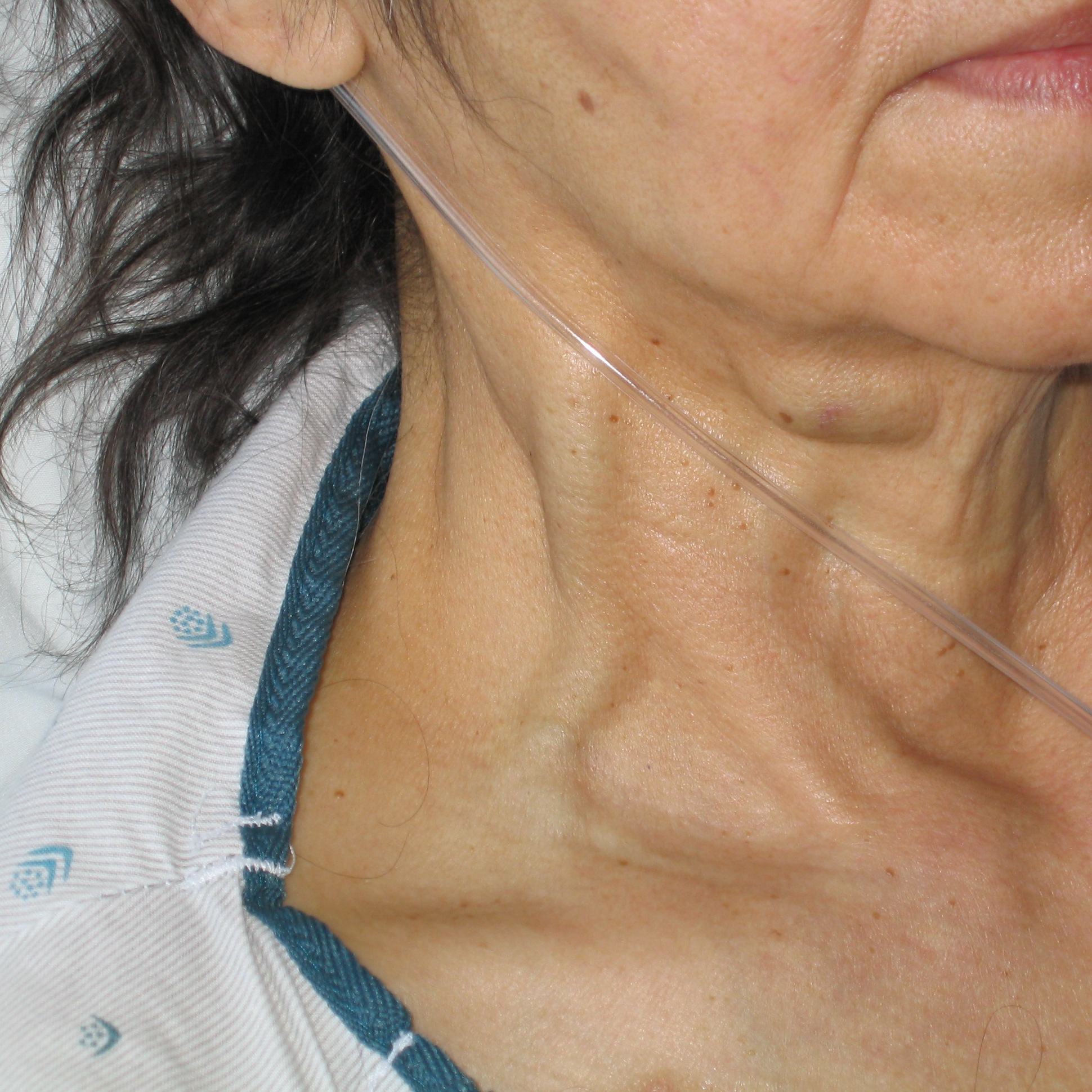
The jugular veins are large blood vessels that run on both sides of the neck and are responsible for carrying deoxygenated blood from the brain and face back to the heart. Under normal conditions, these veins are not prominently visible, especially when a person is in a semi-upright position.
Jugular vein distension (JVD) refers to a visible bulging or prominence of the jugular veins, typically noticeable above the clavicle. It is assessed in a semi-recumbent position at about a 45-degree angle. When JVD is markedly visible and persistent—particularly without exertion—it can be a sign of elevated central venous pressure (CVP), which may reflect serious underlying medical conditions.
According to the American Heart Association (AHA) and MedlinePlus (U.S. National Library of Medicine), JVD is a valuable bedside indicator of potential heart or lung dysfunction.
Common Causes of Massive Jugular Vein Distension
Several medical conditions can lead to jugular vein distension. Among the most significant are:
1. Right-Sided Heart Failure
One of the most common causes of jugular vein distension is right-sided heart failure, a condition where the right side of the heart struggles to pump blood efficiently to the lungs. This leads to blood backing up in the venous system, including the jugular veins.
Symptoms associated with right-sided heart failure may include:
- Swelling in the legs and ankles
- Fatigue
- Shortness of breath
- Ascites (fluid accumulation in the abdomen)
According to the Centers for Disease Control and Prevention (CDC), more than 6 million adults in the U.S. are living with heart failure, and recognizing physical signs like JVD is crucial in clinical assessment.
2. Cardiac Tamponade
Cardiac tamponade is a medical emergency caused by the accumulation of fluid in the pericardial sac (the membrane surrounding the heart), compressing the heart and impairing its ability to pump.
The classic presentation includes:
- Jugular vein distension
- Hypotension (low blood pressure)
- Muffled heart sounds
This triad is known as Beck’s triad, and prompt diagnosis using an echocardiogram is essential. According to the Mayo Clinic, immediate treatment, often involving pericardiocentesis (fluid drainage), is required to prevent cardiac arrest.
3. Tension Pneumothorax
In a tension pneumothorax, air enters the chest cavity and becomes trapped, putting pressure on the lungs and heart. This life-threatening condition can cause a visible shift in chest structures and impede venous return to the heart.
Key signs may include:
- Sudden chest pain
- Difficulty breathing
- Tracheal deviation
- Distended neck veins
As noted by the National Institutes of Health (NIH), tension pneumothorax is an emergency that demands immediate intervention, typically with needle decompression followed by chest tube placement.
Buy vitamins and supplements
4. Pulmonary Embolism
A pulmonary embolism (PE) occurs when a blood clot obstructs one of the pulmonary arteries in the lungs. Severe cases can lead to elevated pressure in the right side of the heart, contributing to jugular vein distension.
Symptoms can include:
- Rapid breathing
- Chest pain
- Low oxygen levels
- Swelling in one leg (if deep vein thrombosis is present)
The American Lung Association emphasizes that timely diagnosis—through imaging such as a CT pulmonary angiogram—and treatment with anticoagulants is critical to reduce the risk of complications or death.

How Is Jugular Vein Distension Evaluated?
JVD is not diagnosed by visual inspection alone. Healthcare providers typically perform a physical examination by observing the neck veins while the patient is positioned at a 30 to 45-degree angle. They look for the height of the venous column above the sternal angle, which correlates with central venous pressure.
In addition to the physical exam, a provider may order:
- Echocardiogram to evaluate heart function
- Chest X-ray or CT scan for lung abnormalities
- Electrocardiogram (ECG) to assess heart rhythm
- Blood tests, including BNP (brain natriuretic peptide) to evaluate heart failure
These tests help determine the underlying cause of the distension and guide appropriate treatment.
When Should You Seek Medical Help?
Massive or persistent jugular vein distension is a medical red flag and should never be ignored. If you or someone you know notices bulging neck veins—especially when accompanied by symptoms such as:
- Shortness of breath
- Swelling of the lower limbs
- Chest discomfort
- Fatigue or lightheadedness
…it’s crucial to seek medical attention immediately. These symptoms may be early indicators of serious cardiovascular or pulmonary disorders that require prompt evaluation and management.

How Is Jugular Vein Distension Treated?
There is no direct treatment for jugular vein distension itself. Instead, treatment targets the underlying cause.
Depending on the condition, treatment may include:
- Diuretics and beta-blockers for heart failure
- Pericardiocentesis for cardiac tamponade
- Chest decompression for tension pneumothorax
- Anticoagulants or thrombolytics for pulmonary embolism
- Ongoing monitoring and lifestyle modifications for chronic conditions
Management plans are tailored based on the diagnosis, patient health status, and urgency of the clinical presentation.
Buy vitamins and supplements

Conclusion: JVD Is a Sign That Requires Prompt Medical Attention
Massive jugular vein distension is more than a visual anomaly—it is a clinically significant sign that often indicates elevated central venous pressure. It may reflect serious underlying issues such as heart failure, cardiac tamponade, pulmonary embolism, or tension pneumothorax.
Timely recognition, appropriate diagnostic evaluation, and medical intervention can be life-saving. If you notice visible neck vein distension accompanied by other concerning symptoms, contact a healthcare provider or seek emergency care.
Trusted Sources for Further Reading:
-
- American Heart Association (AHA)
- Mayo Clinic
- MedlinePlus – Jugular Vein Distention
- Centers for Disease Control and Prevention – Heart Failure
- National Institutes of Health (NIH)
- American Lung Association – Pulmonary Embolism
Buy vitamins and supplements