Bloating, gas, and persistent digestive discomfort are common issues that many people experience at some point. While these symptoms can be caused by diet, stress, or food intolerances, one often overlooked factor is the balance of bacteria in the gut.
Your digestive system is home to trillions of microorganisms - collectively known as the gut microbiota. When this balance is disrupted, certain types of bacteria can overgrow, leading to symptoms like bloating, heartburn, and irregular digestion. Understanding how to manage this imbalance is key to improving overall digestive health.
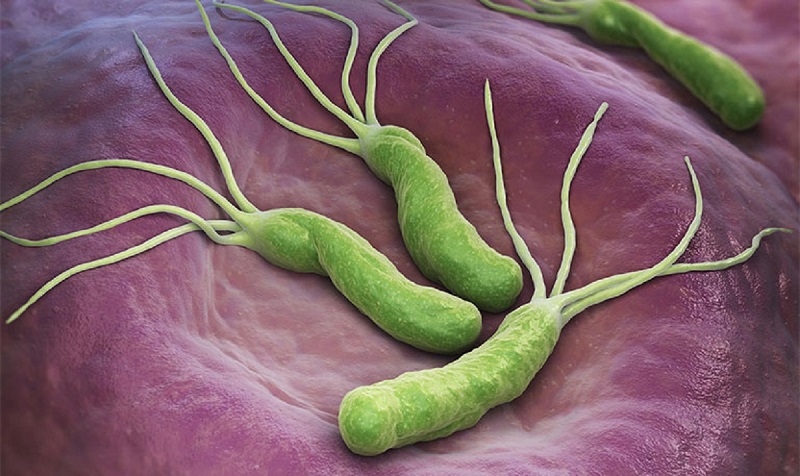
Understanding Gut Bacteria and Digestive Health
Not all bacteria in your gut are harmful. In fact, many are essential for:
- Breaking down food
- Producing vitamins
- Supporting the immune system
Problems arise when “bad” bacteria outnumber beneficial ones. This imbalance, often referred to as dysbiosis, can lead to excessive gas production, inflammation, and discomfort.
1. Improve Your Diet
Diet is one of the most powerful tools for shaping your gut microbiome.
Reduce Foods That Feed Harmful Bacteria
Certain foods can promote the growth of gas-producing or harmful bacteria, such as:
- Highly processed foods
- Excess sugar
- Refined carbohydrates
Cutting back on these can help restore balance.
Increase Fiber Intake
Fiber acts as food for beneficial bacteria.
Include:
- Vegetables
- Fruits
- Whole grains
- Legumes
A fiber-rich diet supports the growth of healthy microbes and improves digestion.
2. Incorporate Probiotics
Probiotics are live beneficial bacteria that help restore balance in the gut.
They can be found in:
- Yogurt
- Kefir
- Sauerkraut
- Kimchi
Regular consumption may help:
- Reduce bloating
- Improve digestion
- Strengthen gut health
In some cases, probiotic supplements may also be recommended.
3. Add Prebiotic Foods
Prebiotics are non-digestible fibers that feed good bacteria.
Examples include:
- Garlic
- Onions
- Bananas
- Asparagus
These foods help beneficial bacteria thrive, which can crowd out harmful microbes.
4. Stay Hydrated
Water plays an essential role in digestion.
Proper hydration helps:
- Move food through the digestive tract
- Prevent constipation
- Support overall gut function
Drinking enough water daily can reduce bloating caused by slow digestion.
5. Manage Stress Levels
The gut and brain are closely connected. Chronic stress can disrupt the balance of gut bacteria and worsen digestive symptoms.
Stress management techniques include:
- Deep breathing
- Meditation
- Regular physical activity
- Adequate sleep
Reducing stress can have a direct positive impact on gut health.
6. Avoid Overuse of Antibiotics
Antibiotics can be lifesaving, but they also kill beneficial bacteria along with harmful ones.
Overuse may lead to:
- Gut imbalance
- Increased digestive issues
- Reduced microbial diversity
Only use antibiotics when prescribed and necessary.
7. Identify Food Intolerances
Some individuals experience bloating due to difficulty digesting certain foods.
Common triggers include:
- Lactose (dairy)
- Gluten
- Certain carbohydrates (FODMAPs)
Keeping a food diary or consulting a healthcare professional can help identify these triggers.
8. Consider Medical Evaluation
If symptoms are persistent or severe, underlying conditions may be involved.
Examples include:
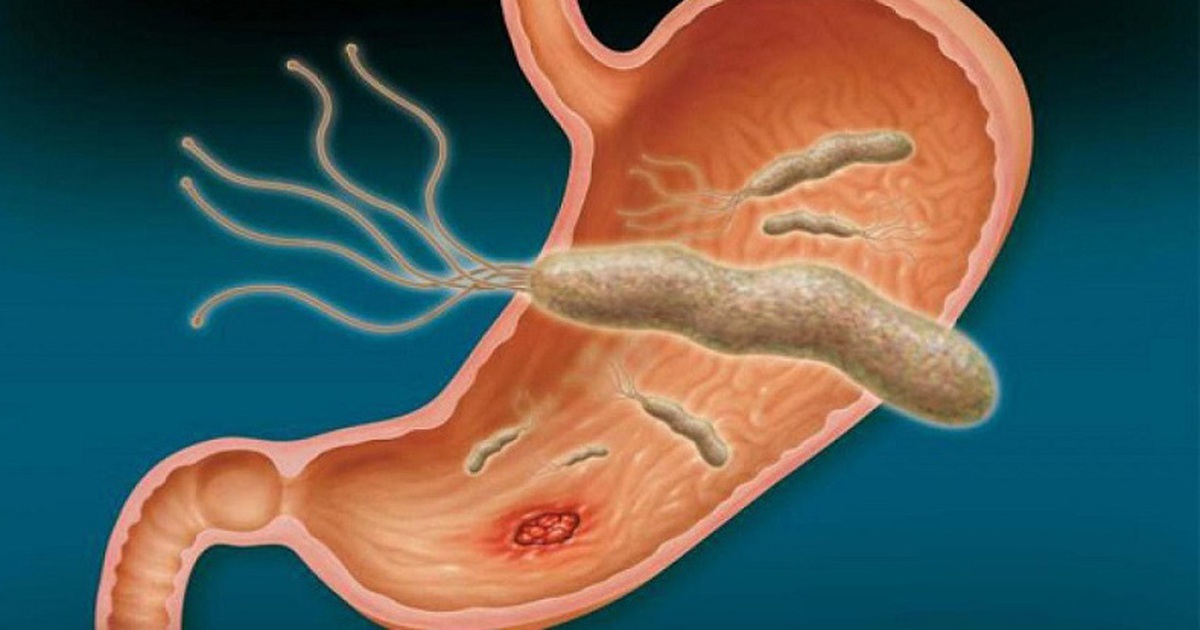
- Small intestinal bacterial overgrowth (SIBO)
- Gastroesophageal reflux disease (GERD)
- Irritable bowel syndrome (IBS)
A doctor can recommend appropriate tests and treatments based on your symptoms.
9. Maintain Regular Eating Habits
Eating patterns can influence digestion and bacterial balance.
Helpful habits include:
- Eating at consistent times
- Chewing food thoroughly
- Avoiding overeating
These practices support smoother digestion and reduce strain on the gut.

Final Thoughts
Controlling bacteria associated with bloating and digestive discomfort is not about eliminating all bacteria—it’s about restoring balance. A healthy gut relies on a diverse and stable microbial environment.
Simple lifestyle changes—such as improving diet, managing stress, and supporting beneficial bacteria—can make a significant difference over time. While results may not be immediate, consistency is key.
If symptoms persist despite these efforts, seeking medical advice is essential to rule out underlying conditions and receive appropriate care.