For decades, colorectal cancer was largely associated with older adults. Routine screening often began around age 50, and many younger people rarely considered colon cancer a realistic possibility.
That picture has changed.
In the United States, colorectal cancer rates have been increasing among younger adults, even while rates among older adults have generally declined, in part because of screening and prevention. The trend has attracted significant attention from doctors and researchers because some younger patients are being diagnosed at an advanced stage.
But there is an important distinction: colon cancer is still much more common in older adults than in people under 50. An increase in younger patients does not mean that most people under 50 are at high risk.
What it does mean is that persistent or unusual symptoms should not automatically be dismissed simply because someone is young.
Understanding the warning signs, risk factors, screening recommendations, and situations that deserve medical attention can make a meaningful difference.
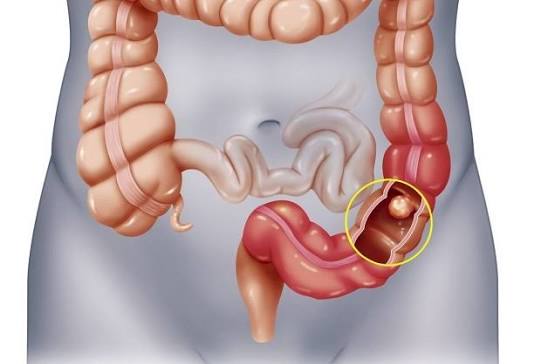
Why Is Colon Cancer Increasing Among Younger Adults?
Researchers have been studying the rise in colorectal cancer among younger adults for years.
There is no single explanation that accounts for all cases.
Scientists have investigated factors including:
-
Family history and inherited genetic conditions
-
Excess body weight
-
Physical inactivity
-
Dietary patterns
-
Alcohol consumption
-
Smoking
-
Metabolic health
-
Changes in the gut microbiome
-
Inflammatory conditions affecting the bowel
-
Environmental exposures
However, researchers have not identified one universal cause responsible for the increase.
Some younger people who develop colorectal cancer have no obvious risk factor at all.
That is one reason doctors emphasize paying attention to symptoms rather than assuming age alone makes cancer impossible.
Colon Cancer and Colorectal Cancer Aren't Exactly the Same
You may hear the terms colon cancer and colorectal cancer used interchangeably, but there is a technical difference.
The colon is the large intestine.
The rectum is the final portion of the digestive tract before the anus.
Cancer can develop in either location, which is why doctors often use the broader term colorectal cancer.
The two conditions share many risk factors and symptoms, although symptoms can vary depending on where a tumor develops.
For simplicity, many people use “colon cancer” when talking about colorectal cancer generally.
Why Can Colon Cancer Be Called a “Silent” Disease?
Colon cancer isn't always silent.
In fact, some people experience noticeable symptoms.
The problem is that early colorectal cancer may cause few or nonspecific symptoms, and some symptoms can easily be attributed to common digestive problems.
A younger adult might think:
“It's probably hemorrhoids.”
“It's probably stress.”
“I must have eaten something bad.”
“It's just constipation.”
“I'm too young for cancer.”
Sometimes those assumptions are correct.
But persistent or recurring symptoms deserve attention, particularly when something changes from your normal pattern.
1. Blood in the Stool
One of the most important warning signs is blood in or on the stool.
The blood may appear:
-
Bright red
-
Dark red
-
Mixed with stool
-
As a dark or tar-like stool in certain circumstances
Not all rectal bleeding is caused by cancer.
Hemorrhoids, anal fissures, inflammatory bowel disease, infections, and other conditions can also cause bleeding.
But that doesn't mean recurring bleeding should automatically be blamed on hemorrhoids.
If you notice blood repeatedly, especially if it is accompanied by changes in bowel habits, abdominal discomfort, unexplained weight loss, or fatigue, speak with a healthcare professional.
2. A Persistent Change in Bowel Habits
Your bowel habits naturally vary.
You might occasionally experience constipation or diarrhea.
The concern is a persistent or unexplained change from your usual pattern.
For example, you might notice:
-
New constipation
-
Persistent diarrhea
-
Alternating constipation and diarrhea
-
More frequent bowel movements
-
Narrower stools than usual
-
A feeling that you haven't completely emptied your bowel
These symptoms have many possible causes.
Dietary changes, medications, infections, irritable bowel syndrome, stress, and other gastrointestinal disorders can all alter bowel habits.
Still, if the change persists or keeps returning, it is worth discussing with a doctor.
3. Unexplained Weight Loss
Losing weight without intentionally changing your diet or exercise routine deserves attention.
There are many possible explanations, including thyroid disorders, gastrointestinal conditions, chronic infections, stress, medication effects, and cancer.
Weight loss becomes particularly concerning when it occurs alongside other symptoms.
For example:
unexplained weight loss + persistent abdominal symptoms + blood in the stool
should not simply be ignored because someone is under 50.
4. Persistent Abdominal Pain or Cramping
Occasional abdominal discomfort is extremely common.
The digestive system can react to food, stress, infections, constipation, medications, and many other factors.
But persistent or unexplained abdominal pain is different.
Some people with colorectal cancer describe: