Sometimes those explanations are correct.
The challenge is recognizing when symptoms persist, worsen, recur, or occur together.
That's why communication matters.
If something doesn't improve, tell your doctor.
If a symptom changes, mention it.
If you have a family history, provide it.
And if you feel that something about your health isn't normal, don't be afraid to ask whether further evaluation is appropriate.
Don't Panic Over Every Digestive Symptom
It is equally important not to turn every stomach problem into a cancer scare.
Constipation is common.
Diarrhea is common.
Bloating is common.
Hemorrhoids are common.
Abdominal discomfort has countless causes.
Most people experiencing one of these symptoms do not have colorectal cancer.
The purpose of knowing warning signs is not to make people afraid.
It's to encourage people to recognize persistent or concerning changes and discuss them with a qualified healthcare professional.
When Should You Seek Medical Attention?
Make an appointment with a healthcare professional if you experience persistent or unexplained:
-
Rectal bleeding
-
Blood in the stool
-
Changes in bowel habits
-
Abdominal pain
-
Unexplained weight loss
-
Persistent fatigue
-
Iron-deficiency anemia
-
A sensation of incomplete bowel emptying
-
Other new digestive symptoms that don't resolve
The urgency depends on the severity and combination of symptoms.
Heavy rectal bleeding, black or tarry stools, severe abdominal pain, repeated vomiting, fainting, significant weakness, or symptoms suggesting bowel obstruction require prompt medical evaluation.
The Most Important Message for Younger Adults
Colon cancer is not suddenly becoming the most common disease among young people.
It remains much more common in older adults.
But the increasing incidence among younger adults is important enough that people should understand the symptoms and current screening recommendations.
The message isn't:
“If you're under 50, you should be terrified.”
The message is:
“If something is persistently wrong, don't let your age convince you that it can't be important.”
That's a very different message.
Listen to Changes in Your Body
You don't need to become obsessed with every bowel movement.
You don't need to assume the worst whenever you experience stomach discomfort.
But you should know what is normal for you.
If your bowel habits suddenly change and stay changed, pay attention.
If you repeatedly see blood, don't automatically assume it's hemorrhoids.
If you're losing weight without trying, investigate why.
If you're constantly exhausted, don't simply accept it as part of getting older.
And if you have a strong family history, tell your healthcare provider.
Your age is one piece of information not the entire diagnosis.
Prevention Starts With Awareness
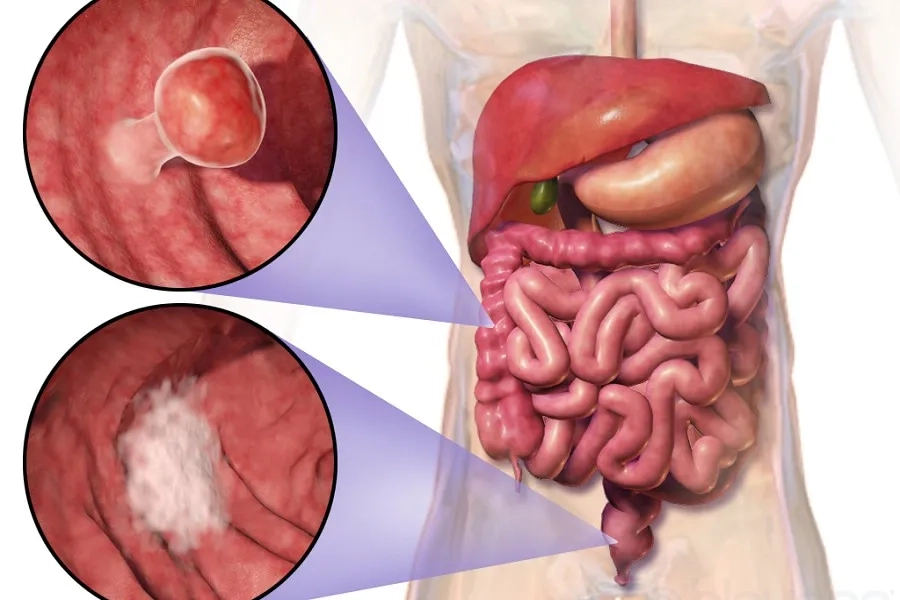
Some colorectal cancers can be prevented because precancerous polyps can sometimes be found and removed before they become malignant.
That's one of the reasons screening is so important.
For average-risk adults in the United States, screening generally begins at 45.
People with higher-risk conditions or family histories may need to start earlier or undergo different surveillance.
Talk with your healthcare professional about which approach is appropriate for you.
Final Thoughts
The rise in colorectal cancer among younger adults has changed the way doctors, researchers, and patients think about the disease.
Colon cancer is still primarily a disease of older adults, but younger people can develop it too.
And because early symptoms can sometimes resemble common digestive problems, recognizing persistent changes is important.
Blood in the stool, unexplained changes in bowel habits, persistent abdominal symptoms, unexplained weight loss, and iron-deficiency anemia should not automatically be dismissed because someone is young.
At the same time, these symptoms do not automatically mean cancer.
There are many possible explanations, and only appropriate medical evaluation can determine the cause.
The most useful approach is neither panic nor dismissal.
It is awareness.
Know your family history.
Understand your personal risk factors.
Know when screening is recommended.
Pay attention to persistent changes.
And if something doesn't feel right, talk to a healthcare professional.
Being under 50 may reduce your statistical risk compared with older adults but it doesn't make you immune.