The Shocking Truth About the World's Most Dangerous Dish
For many people, dining is about pleasure, culture, and exploration. But what if your meal carried a real risk of death?
One of the world's most famous—and controversial—delicacies is a dish so potentially dangerous that its preparation is tightly regulated and requires years of specialized training. Yet thousands of adventurous diners seek it out every year.
The dish is known as fugu, a traditional Japanese delicacy made from pufferfish, and it has earned a reputation as one of the most dangerous foods on Earth.
What Is Fugu?
Fugu is prepared from several species of pufferfish, a marine fish found in waters around Japan and other parts of Asia.
What makes these fish extraordinary is that certain organs contain a powerful neurotoxin called tetrodotoxin, a substance estimated to be hundreds of times more toxic than cyanide.
The toxin is primarily concentrated in:
- The liver
- Ovaries
- Intestines
- Skin of some species
Even a tiny amount can be extremely dangerous if consumed.
Despite these risks, fugu has been enjoyed in Japan for centuries and remains a prized culinary experience.
Why Is It So Dangerous?
Tetrodotoxin attacks the nervous system by blocking sodium channels in nerve cells.
When poisoning occurs, symptoms may include:
- Tingling around the mouth
- Numbness of the lips and tongue
- Dizziness
- Muscle weakness
- Difficulty speaking
- Breathing problems
- Paralysis
In severe cases, respiratory failure can occur, which can be fatal without immediate medical care.
One of the most frightening aspects of tetrodotoxin poisoning is that victims may remain fully conscious while losing control of their muscles.
Currently, there is no specific antidote for tetrodotoxin poisoning. Treatment focuses on supportive medical care until the toxin is naturally eliminated from the body.
Why Do People Still Eat It?
Given the risks, many people wonder why anyone would willingly order fugu.
For enthusiasts, the appeal lies in:
Tradition
Fugu has been part of Japanese cuisine for hundreds of years and is deeply connected to culinary heritage.
Prestige
Because preparation requires specialized training and licensing, eating fugu is often viewed as a unique and exclusive experience.
Flavor and Texture
Many diners describe fugu as having a delicate flavor and a firm yet tender texture.
Adventure
For some visitors, trying one of the world's most notorious foods provides a sense of excitement and curiosity.
The Strict Training Behind Fugu Preparation
Japan takes fugu safety extremely seriously.
Chefs who wish to prepare and serve fugu must undergo extensive training, often lasting several years.
The process typically includes:
- Learning fish anatomy
- Identifying toxic organs
- Practicing safe preparation techniques
- Passing rigorous examinations
Only licensed professionals are legally permitted to prepare fugu in many regions.
This strict regulation has dramatically reduced poisoning incidents from commercially prepared meals.
How Often Do Poisonings Occur?

Although accidental poisonings still occur, they are relatively rare when fugu is prepared by licensed chefs.
Most modern poisoning cases involve:
- Recreational fishermen
- Untrained individuals preparing fish at home
- Consumption of improperly prepared organs
Health authorities continue to warn against attempting to prepare wild pufferfish without proper training.
Is Fugu the Only Dangerous Food?
Not at all.
Several foods around the world can become dangerous if improperly prepared, including:
Ackee Fruit
A national fruit of Jamaica that contains toxins when unripe.
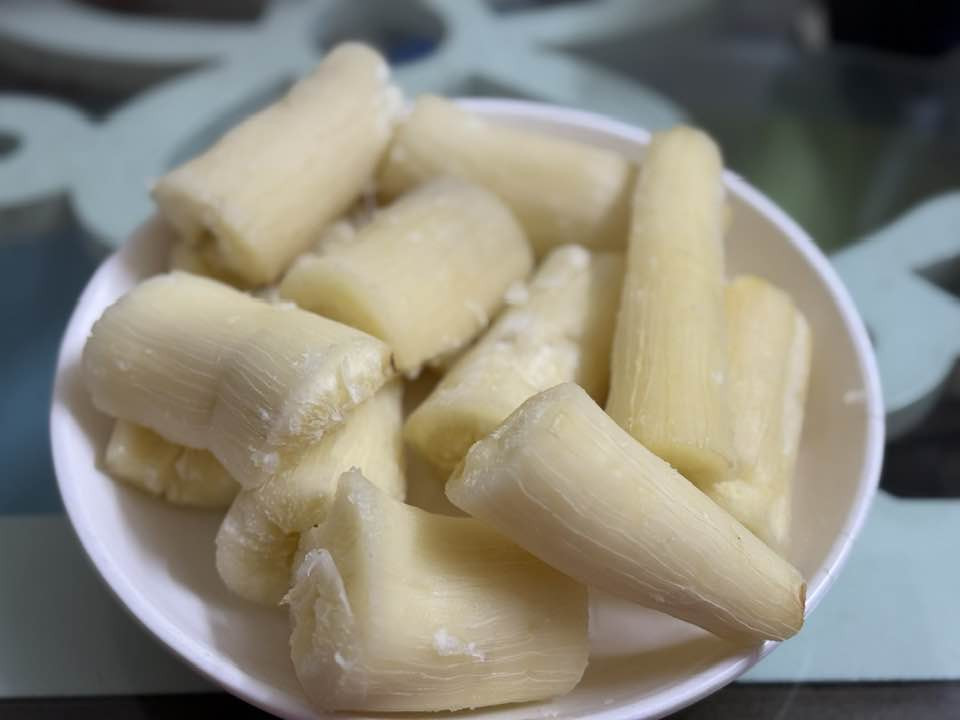
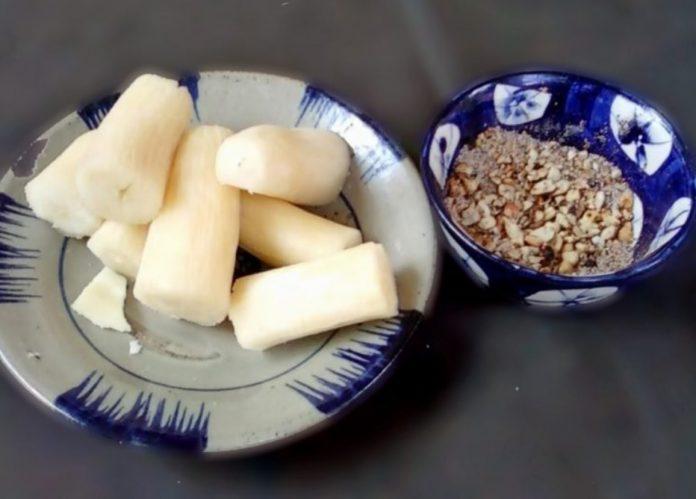
Cassava
A staple food in many countries that naturally contains compounds capable of producing cyanide if not processed correctly.
Certain Wild Mushrooms
Some species contain potent toxins that can cause severe liver damage or death.
Raw Shellfish
Can occasionally carry harmful bacteria, viruses, or toxins.
However, few foods have achieved the same legendary status as fugu.
What Does Science Say?
Food safety experts emphasize that licensed restaurants dramatically reduce the risks associated with fugu consumption.
Nevertheless, no preparation method can completely eliminate the inherent danger posed by tetrodotoxin-containing tissues.
This combination of risk, regulation, and culinary prestige has helped maintain fugu's unique reputation for generations.
The Bottom Line
Fugu remains one of the most fascinating foods in the world—a delicacy celebrated for its tradition, craftsmanship, and exclusivity, yet feared because of its potentially deadly toxin.
While modern safety standards have made professionally prepared fugu much safer than in the past, its reputation as one of the world's most dangerous dishes continues to captivate adventurous diners from around the globe.
For many people, the attraction lies not only in the taste but also in the extraordinary story behind every carefully prepared bite.