The first few minutes after waking up can sometimes reveal changes in your health that are easy to overlook.
Maybe your urine suddenly looks much darker than usual. Perhaps you wake up unusually tired, notice that your eyes look yellow, or find that your abdomen feels more swollen than it did before. A single unusual morning doesn't necessarily mean anything is wrong. But persistent or unexplained changes can be worth discussing with a healthcare professional.
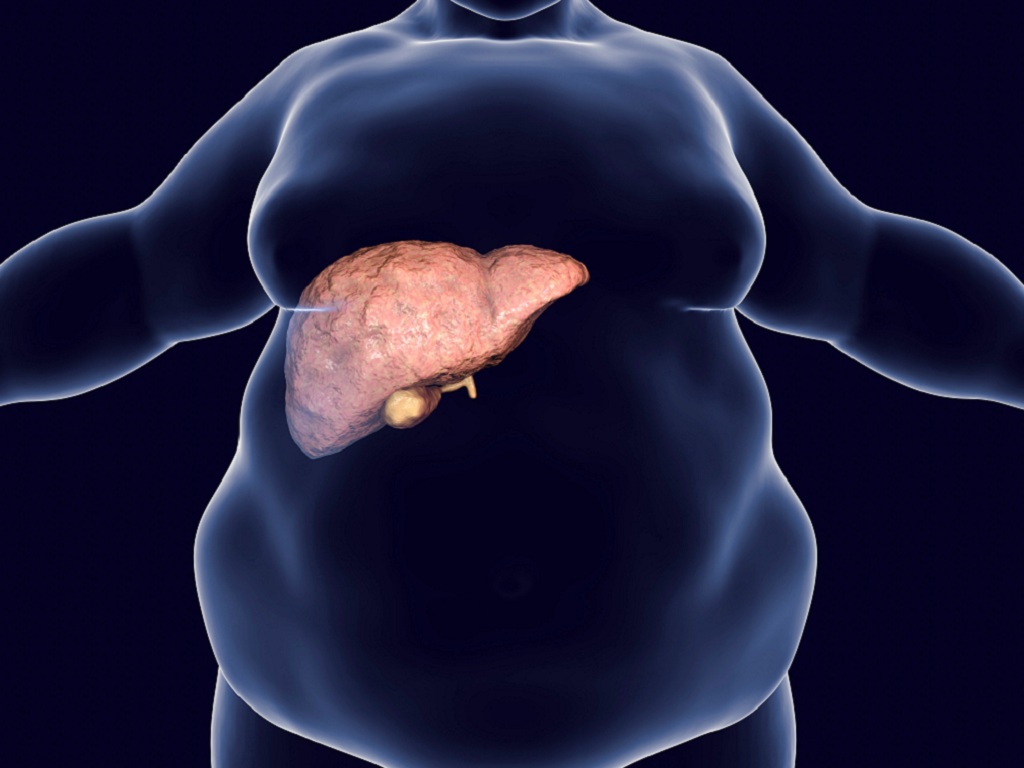
The liver is involved in digestion, nutrient processing, metabolism, bile production, and the removal of certain substances from the body. Liver diseases can range from viral hepatitis and fatty liver disease to cirrhosis and liver cancer. Importantly, some liver conditions cause few or no symptoms in their early stages.
The following eight morning signs don't diagnose liver disease on their own. Many have much more common explanations. But recognizing them can help you know when it's time to pay closer attention.
1. Dark Urine When You Wake Up
Your first urine of the morning is often darker than urine later in the day because you haven't been drinking fluids overnight.
That's usually normal.
However, persistently dark or tea-colored urine, particularly when it isn't explained by dehydration, can sometimes occur with liver or bile-duct disorders.
When bilirubin builds up in the bloodstream, some can be excreted through the urine, making it appear unusually dark. Liver and bile-duct conditions may also cause pale stools and yellowing of the skin or eyes.
What to consider
Ask yourself:
-
Is the urine darker every morning?
-
Does it remain dark after drinking enough water?
-
Has your stool become unusually pale?
-
Are your eyes or skin becoming yellow?
If these changes persist, medical evaluation is appropriate.

2. Yellowish Eyes or Skin
One of the most recognizable signs associated with liver and bile-related problems is jaundice.
You might first notice it when looking in the bathroom mirror after waking.
The whites of your eyes may appear yellow, or your skin may develop a yellowish tint.
Jaundice occurs when bilirubin accumulates in the body. It can happen with liver disease, bile-duct obstruction, certain blood disorders, and other conditions.
Liver cancer can also cause jaundice, but jaundice does not mean someone has cancer. Many other conditions can cause it.
Don't ignore new jaundice
If you suddenly notice yellowing of your eyes or skin, particularly alongside dark urine, pale stools, abdominal pain, or fever, contact a healthcare professional promptly.
3. Unusual Morning Fatigue
Everyone wakes up tired occasionally.
Poor sleep, stress, dehydration, late-night meals, or an irregular schedule can all leave you feeling exhausted.
But persistent fatigue can occur with liver diseases, including cirrhosis. NIDDK lists tiredness or weakness among possible early symptoms of cirrhosis.
You might notice that:
-
You wake up exhausted despite adequate sleep.
-
Simple activities feel unusually difficult.
-
Your energy remains low throughout the day.
-
You feel weaker than you did several weeks ago.
Fatigue is extremely nonspecific, so it shouldn't automatically be blamed on the liver.
But if persistent fatigue occurs together with appetite loss, unexplained weight loss, jaundice, itching, or abdominal symptoms, it deserves medical attention.
4. Waking Up With Persistent Itching
Itchy skin can be annoying enough to wake you during the night or become one of the first things you notice in the morning.
Certain liver and bile-duct disorders can cause pruritus, or persistent itching. In some conditions, itching can occur even when there isn't an obvious rash.
Possible liver-related itching may be accompanied by:
-
Yellowing of the eyes
-
Dark urine
-
Pale stools
-
Fatigue
-
Abdominal discomfort
But don't assume that itchy skin means liver disease.
Dry skin, eczema, allergies, medications, fungal infections, and many other conditions can cause exactly the same symptom.
The important clue is persistent, unexplained itching, especially when other symptoms appear at the same time.
5. Loss of Appetite or Feeling Full Quickly
Breakfast may suddenly seem less appealing.
You might notice that you're eating less than usual or feeling full after only a small amount of food.
Loss of appetite can occur with several liver conditions. NIDDK lists poor appetite among possible symptoms of cirrhosis, while the National Cancer Institute lists loss of appetite or feeling full after eating a small meal among symptoms that can occur with adult primary liver cancer.
However, appetite changes are common and can be caused by:
-
Stress
-
Depression
-
Infection
-
Digestive disorders
-
Medications
-
Hormonal changes
A persistent unexplained decrease in appetite becomes more concerning when accompanied by other symptoms.
6. Unexplained Weight Loss
If the number on the scale keeps dropping despite no intentional change in diet or exercise, don't simply assume it's a good thing.
Unintentional weight loss can occur with various illnesses, including liver disease and liver cancer.
You may notice:
-
Clothes becoming looser
-
Reduced muscle mass
-
A smaller appetite
-
Weight falling steadily over several weeks or months
Unexplained weight loss has many possible causes, so it requires proper evaluation rather than self-diagnosis.
7. A Swollen or Enlarged Abdomen
Look at your abdomen when you get dressed in the morning.
If it appears progressively larger or feels unusually tight, fluid accumulation may be one possible explanation.
In advanced liver disease, fluid can build up in the abdomen, a condition called ascites. Cirrhosis can also cause swelling in the legs, ankles, and feet.
Ascites can make the abdomen:
-
Look larger
-
Feel tight or uncomfortable
-
Increase in size over time
But abdominal enlargement isn't necessarily related to the liver. Gas, constipation, weight gain, pregnancy, and other medical conditions can cause similar changes.
New or progressive abdominal swelling should be evaluated.
8. Swollen Legs, Ankles, or Feet
You may notice sock marks or puffy ankles when you get out of bed.
In advanced liver disease, fluid retention can cause edema, particularly in the lower legs, ankles, and feet.
The mechanism is complex and can involve changes in blood flow and reduced levels of proteins such as albumin.
But swollen feet have many other causes, including:
-
Heart disease
-
Kidney disease
-
Venous insufficiency
-
Certain medications
-
Prolonged standing
-
Pregnancy
If swelling is persistent or worsening, it should be evaluated rather than attributed automatically to the liver.
Sudden swelling in one leg, especially when accompanied by pain, warmth, or redness, requires prompt medical attention because a blood clot may need to be ruled out.
Other Changes Worth Paying Attention To
The eight signs above aren't the only possible clues.
Some people with significant liver disease may also experience:
-
Nausea or vomiting
-
Pain or discomfort in the upper-right abdomen
-
Easy bruising or bleeding
-
Pale or chalky stools
-
Dark urine
-
Muscle loss or weakness
-
Confusion or difficulty thinking
These symptoms can occur for many reasons, but a combination of several persistent symptoms is more meaningful than one isolated change.
Why Morning Symptoms Can Seem More Noticeable
Morning isn't necessarily a special diagnostic window for liver disease.
Rather, some changes are simply easier to notice when you're beginning your day.
For example:
-
Your first urine is concentrated after several hours without fluids.
-
You may notice swelling when putting on shoes.
-
You may see changes in your eyes while looking in the mirror.
-
Your appetite becomes obvious when you sit down for breakfast.
-
Persistent fatigue is noticeable when you first get out of bed.
So the important message isn't that a particular symptom occurring in the morning automatically means liver disease.
It's that repeated changes in your normal routine deserve attention.
Liver Disease Can Be Silent
One of the most important things to understand is that you don't necessarily feel sick when liver damage begins.
NIDDK notes that people with cirrhosis may have no symptoms until the liver is significantly damaged.
This is one reason risk factors and routine medical care matter.
Potential risk factors for chronic liver disease include:
-
Overweight or obesity
-
Type 2 diabetes
-
Heavy alcohol use
-
Chronic hepatitis B or C
-
Metabolic syndrome
-
Certain inherited conditions
-
Some medications or supplements
Having a risk factor doesn't mean you have liver disease, but it may be worth discussing appropriate screening with a healthcare professional.
What About Liver Cancer?
Liver-related symptoms can sometimes occur with liver cancer, but they are not specific to cancer.
According to the National Cancer Institute, possible symptoms of adult primary liver cancer include:
-
A lump under the right ribs
-
Upper-right abdominal discomfort
-
Abdominal swelling
-
Jaundice
-
Easy bruising or bleeding
-
Unusual tiredness
-
Nausea and vomiting
-
Loss of appetite or feeling full quickly
-
Unexplained weight loss
-
Pale stools and dark urine
-
Fever
Many of these symptoms can also occur with non-cancerous liver conditions.
Therefore, experiencing one of them does not mean you have liver cancer.
How Doctors Check Your Liver
If a healthcare professional suspects a liver problem, they may start with your medical history, physical examination, and blood tests.
Liver-related blood tests can include:
-
ALT
-
AST
-
Alkaline phosphatase
-
Bilirubin
-
Albumin
Depending on the situation, doctors may also use imaging tests such as ultrasound, CT, MRI, or elastography.
The exact evaluation depends on your symptoms and risk factors.
How Can You Protect Your Liver?
There isn't a magic detox drink that can "flush" your liver.
Instead, focus on habits supported by established medical guidance.
Maintain a Healthy Weight
Excess body weight is associated with metabolic liver disease.
Exercise Regularly
Physical activity can improve metabolic health and help manage body weight.
Limit Alcohol
Excessive alcohol consumption can damage the liver.
Eat a Balanced Diet
Prioritize:
-
Vegetables
-
Fruits
-
Whole grains
-
Beans and legumes
-
Fish
-
Nuts and seeds
-
Healthy sources of protein
Be Careful With Supplements
Some herbal and dietary supplements can cause liver injury.
Always tell your healthcare provider about supplements and medications you take.
When Should You See a Doctor?
Make an appointment if you experience persistent or unexplained:
-
Fatigue
-
Loss of appetite
-
Weight loss
-
Itching
-
Abdominal swelling
-
Leg or ankle swelling
-
Dark urine
-
Pale stools
New jaundice also deserves medical evaluation.
Seek urgent medical attention if symptoms become severe, particularly if you develop confusion, vomiting blood, black stools, severe abdominal pain, or rapidly worsening jaundice.
:format(webp)/cac_benh_ve_gan_nguyen_nhan_dau_hieu_va_bien_phap_bao_ve_suc_khoe_1_9ae66065f0.png)
The Bottom Line
Your morning routine can sometimes reveal changes that are worth paying attention to. Dark urine, yellow eyes or skin, persistent fatigue, unexplained itching, appetite loss, unexplained weight loss, abdominal swelling, and swollen legs or ankles can all occur in people with liver disorders.
But none of these signs alone proves that your liver is unhealthy and certainly doesn't mean you have liver cancer. Many have common, unrelated causes, and some people with liver disease experience few or no symptoms in the early stages.
The smartest approach is not to panic over one unusual morning. Instead, watch for changes that persist, worsen, or appear alongside several other symptoms.
If something feels consistently different, a healthcare professional can determine whether blood tests, imaging, or other evaluation is appropriate.
Your morning routine isn't a diagnostic test—but paying attention to persistent changes can be a useful first step toward taking your health seriously.